ECB Holds Rates at 2.5% as Lagarde Announces Early Exit

The European Central Bank kept its deposit rate at 2.5% on 29 October 2026, and President Christine Lagarde announced she will leave early, according to Euronews. The ECB Lagarde exit will take effect on 7 February 2027, about nine months before her eight-year term ends. Central Banking reports the governing council voted to keep policy unchanged. Euronews says the bank gave no reason for the timing.

Contents

The rate decision

Euronews reports the deposit rate stays at 2.5%, with the main refinancing rate at 2.65% and the marginal lending rate at 2.90%. The ECB’s own rates page lists those levels as in effect since 16 September 2026, which fits a hold. The statement, as quoted by Euronews, says energy prices “continued to rise”, creating upside risks to inflation and downside risks to growth, and that financing conditions have tightened since the last meeting. The bank says it is “not pre-committing to a particular rate path”. Euronews puts eurozone inflation at 3.8% in September, up from 3.2% in August, against a 2% target. Central Banking quotes Lagarde calling the outcome a “no hike decision” and saying some members had considered tightening. Neither report gives a vote count.

Lagarde’s departure

Euronews quotes Lagarde saying she leaves “with a sense of a good work done and an ECB that is fit for the future.” Central Banking’s summary says she cited her need to speak out on wider issues as a key reason, though its full text is behind a paywall. Euronews adds that reports since February have linked the timing to France’s April 2027 presidential election; it presents this without a named source, so treat it as speculation.

French debt in the background

According to Euronews, the French 10-year yield rose above 5% last week for the first time since 2002 and was near 5% on Thursday, about 155 basis points above Germany’s. It says Moody’s kept France at Aa3 with a negative outlook. Euronews quotes an ING analyst saying “the bond market has taken over the ECB’s job”, and quotes Lagarde, speaking in Bangkok, saying the first solution “lies at home in France” in fiscal policy. The ECB statement says its Transmission Protection Instrument is available against unwarranted, disorderly market moves.

Who could succeed her

Euronews names Spain’s Pablo Hernández de Cos and the Netherlands’ Klaas Knot as seen as frontrunners, and notes two other Executive Board seats, including chief economist Philip Lane’s, open in the first half of 2027. These are press assessments; no appointment has been announced in the sources we read.

What it means for euro earners

As an illustration, not a real case: a Brazilian founder invoicing clients in euros from a Lisbon or Berlin entity should expect borrowing costs to stay near current levels while the ECB holds, and should watch French bond spreads as a signal of stress across the euro area. Founders weighing a European base can compare structures with our company formation guide, and see how the ECB’s neighbours moved in our report on the Fed’s hold and the UK-EU summit coverage.

What to watch

The ECB’s calendar page shows a December meeting, but the day was not legible in the page we read, so we do not state a date. Watch for a formal nomination process for Lagarde’s successor and for further moves in French yields.

ECB questions

What is the ECB deposit rate now?

2.5%, unchanged after the 29 October 2026 meeting, per Euronews.

When does Lagarde leave?

7 February 2027, per Euronews.

What is eurozone inflation?

3.8% in September, up from 3.2% in August, according to Euronews.

Why is she leaving early?

The ECB gave no reason, per Euronews; Central Banking says she cited a need to speak out on wider issues.

Who might replace her?

Euronews names Pablo Hernández de Cos and Klaas Knot as frontrunners; nothing is confirmed.

What is the French 10-year yield?

Around 5% on Thursday, after topping 5% last week, per Euronews.

Sources

Image: Eurotower, Frankfurt, public domain, via Wikimedia Commons.
UK Eritrea Visa Threat: What Applies Now and What Could Follow

The UK Eritrea visa threat, announced by the Home Office on 15 October 2026, is the latest use of visas as leverage over migrant returns. Home Secretary Shabana Mahmood warned she will block all visas for Eritreans if Eritrea does not agree to take back its nationals who have no right to be in the UK, according to the Home Office announcement. Some measures took effect immediately, but no deadline was set for the wider ban. This is a threat, not a ban in force.

Contents

What applies now

The Home Office says that from 15 October Eritrea’s preferential visa processing for VIPs and government officials is scrapped, and Eritrean diplomats in the UK need Foreign Office permission to travel more than 60 km (37 miles) beyond London. The page says this mirrors restrictions on British officials in Asmara.

The threat

The Home Office wording is that Eritrea must “rapidly improve returns co-operation” or face a “total visa shutdown”, which would be a complete ban on Eritrean citizens entering the UK. No specific deadline is given beyond “rapidly”. Africanews reports that Mahmood also warned other countries could face similar visa restrictions if they refuse migrant returns. Africanews’s account does not include a response from the Eritrean government, and we found none in the sources we read.

Why the UK says it acted

The Home Office says Eritrea abruptly withdrew returns co-operation earlier in 2026, after months of private efforts that Eritrea refused to engage with constructively. It states that Eritreans were the most common nationality arriving by small boat in the year ending June 2026. Africanews reports that fewer than 4% of the 2,626 Eritreans whose asylum claims were rejected over the past four years have been deported. These are government and press figures; they describe the UK’s rationale, not a neutral assessment of Eritrea’s position.

Precedents the UK cites

The Home Office points to Angola and Namibia, which it says agreed enhanced returns arrangements after a visa threat the previous autumn, and to the Democratic Republic of Congo, where visa measures including restrictions on officials were imposed and later lifted after six months of sustained co-operation and returns flights. It also says a new migration deal with Egypt is expected to cut the time to return Egyptian nationals with no right to be in the UK from around 30 weeks to 3 weeks.

Who is and is not affected

As an illustration, not a real case: a Nigerian doctor applying for a UK health and care work visa is not covered by the measures described, which concern Eritrea. Applicants of other nationalities should simply keep an eye on the official Home Office notices. For wider UK rule changes see our reports on the HC 584 immigration rules and UK-EU migration talks, and check your own route with the visa eligibility checker.

What happens next

The next step depends on whether Eritrea changes its returns co-operation, which neither source says it has. Since no deadline was published, there is no date to watch; the practical signal would be a further Home Office announcement either escalating to a ban or easing the measures. Applicants with Eritrean nationality should look for updates on the official page rather than relying on social media claims.

UK Eritrea visa questions

Has the UK banned visas for Eritreans?

No. It has threatened a complete ban if Eritrea does not improve returns co-operation.

What took effect on 15 October?

Preferential visa processing for Eritrean VIPs and officials ended, and Eritrean diplomats need permission to travel more than 60 km beyond London.

Is there a deadline?

The Home Office gives none beyond saying co-operation must improve rapidly.

Why did the UK act?

It says Eritrea withdrew returns co-operation earlier in 2026.

Could other countries be affected?

Africanews reports Mahmood warned others could face similar measures if they refuse returns.

Where is the official statement?

On GOV.UK under Home Secretary threatens Eritrea with visa penalties.

Sources

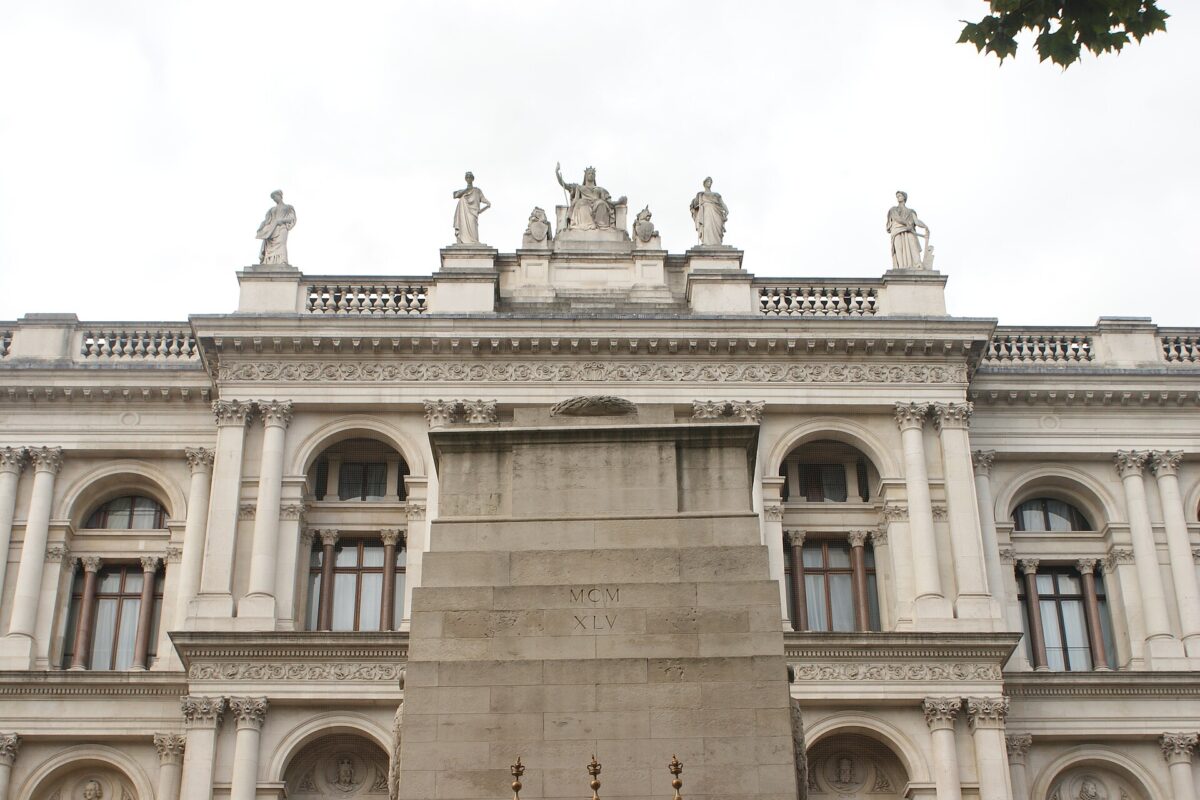
Image: View of the Foreign & Commonwealth Office and the Cenotaph from Whitehall, CC BY-SA 2.0, via Wikimedia Commons.

Gates Cambridge Scholarship 2027: Deadlines of 8 Dec and 6 Jan

The Gates Cambridge Scholarship 2027 round for most international applicants closes on either 8 December 2026 or 6 January 2027, depending on the course, according to the scholarship’s official application timeline. The earlier US-resident round closed on 14 October 2026, so the dates below matter mainly to applicants from outside the USA. Everything in this article comes from the official pages we read; check the University of Cambridge course directory before you apply.

Contents

The deadlines

Round 2, for all eligible applicants other than US citizens living in the USA, opened on 11 September 2026. The deadline is either Tuesday 8 December 2026 or Wednesday 6 January 2027, depending on your course; the timeline tells applicants to check the Course Funding Deadline in the University Course Directory. The timeline says most applicants fall into this later round, which is aligned with the University’s postgraduate funding competition.

Who can apply

According to the eligibility page, you must be a citizen of any country outside the United Kingdom. US citizens who live in the USA had to apply in the October round and cannot apply later, while US citizens studying, working or living overseas at the time of application should apply in the later round. The pages we read do not describe the selection criteria or what the scholarship pays for, so check those pages on the official site.

Which courses count

Eligible courses are PhD study (full-time, with part-time PhD funding in a pilot scheme), the full-time MLitt and one-year full-time postgraduate courses, with some exceptions. Undergraduate degrees, MASt courses, part-time degrees other than the PhD and professional or non-standard degrees such as the MBA, PGCE and MD are excluded. Current Cambridge students can apply for a new postgraduate course but not for funding to finish one already started, and current Gates Cambridge Scholars can apply for a second scholarship for a new degree.

What happens after you apply

For Round 2, departmental ranking runs from December to February, outcomes are notified by 11:59pm UK time on Monday 8 March 2027, and the panel reviews cases on 22 and 23 March 2027. Scholarship offers follow by early April 2027, and candidates must accept within 72 hours of an offer.

A worked example

As an illustration, not a real case: an Indian mechanical engineer applying for a one-year MPhil should look up the course’s Course Funding Deadline first, because it decides whether the date is 8 December or 6 January, then plan documents backwards from it. A student weighing other UK options can also read our reports on the Chevening 2027/28 timeline and the Clarendon Scholarship at Oxford, and use the visa eligibility checker to prepare for the study visa that follows an offer.

What to do now

Check your course’s funding deadline in the University of Cambridge Course Directory, confirm that your course is on the eligible list, and work back from either date. Because the whole decision cycle runs to April 2027, applicants should also line up a second funding route in case the outcome is not positive; scholarship timelines at other universities differ, and we have not verified them here.

Gates Cambridge questions

When is the Gates Cambridge 2027 deadline for non-US applicants?

8 December 2026 or 6 January 2027, depending on the course, per the official timeline.

When did the US-resident round close?

14 October 2026, 11:59pm UK time.

Who is eligible?

Citizens of any country outside the UK, applying to eligible Cambridge courses.

Is an MBA eligible?

No. The eligibility page lists the MBA, PGCE and MD as excluded.

When are outcomes announced for Round 2?

By 11:59pm UK time on Monday 8 March 2027.

How long do I have to accept an offer?

72 hours, according to the timeline.

Sources

Image: King’s College Chapel, Cambridge, CC BY-SA 3.0, via Wikimedia Commons.

Bolsonaro Election Defeat: Lula Wins, Annulment Bid Looms

Brazil’s Bolsonaro election defeat is now a legal and political dispute. Luiz Inácio Lula da Silva won the presidential run-off on Sunday with 51.8% of the vote to Flávio Bolsonaro’s 48.2%, a margin of nearly 4.4 million votes, according to The Week, citing the electoral court’s results. Bolsonaro has not conceded, and Al Jazeera reports he arrived in Miami on 28 October with his family after leaving Brazil.

Contents

The result

The Week reports that Lula’s win means that by the end of the new term he will have spent 16 years in power in total, a record in Brazil’s democratic history. It adds that Lula became the first candidate since the end of the military dictatorship in 1985 to win the presidency after finishing second in the first round; Bolsonaro had led by more than 2.2 million votes in that round. Bolsonaro’s Liberal Party has recognised the result, according to Al Jazeera.

The passport order

Supreme Court Justice Alexandre de Moraes ordered Bolsonaro to surrender his passports within 24 hours, revoked them and barred him from leaving the country, as part of a preliminary investigation into money laundering involving Bolsonaro and attorney Willer Tomaz, bluewin reports. Bolsonaro denies wrongdoing and, in a video on Monday, said he would surrender the passports and contest the measure, calling it unjustified. By Tuesday evening the Federal Police, citing the news portal G1, said the deadline had expired without compliance and were examining whether he had left. Al Jazeera’s later account says he crossed by land into Argentina, flew to Ecuador and then to Miami, and that the US State Department said it will issue visas to the family. We have not been able to confirm those travel details independently, so they are Al Jazeera’s account.

The annulment bid

According to Al Jazeera, Bolsonaro said it was “impossible” to accept the outcome and plans to petition to annul the election, citing a Supreme Court decision that extended voting by two hours. The same report says official records show fewer than 35,000 votes were cast during that extension, against a margin of more than 4.4 million. It also says US President Donald Trump and Argentina’s Javier Milei have not acknowledged the result and that Trump said, without evidence, that the election appeared rigged.

Analyst Paulo Roberto de Souza told Al Jazeera he expects a power struggle among conservatives and sees São Paulo Governor Tarcísio de Freitas as the main figure in reorganising the right. He said the Bolsonaro family is more likely to endorse than to play, and that a Bolsonaro running in 2030 is unlikely; another voter quoted disagrees. These are one analyst’s views, not outcomes.

Why it matters for business and travel

As an illustration, not a real case: a Brazilian founder with suppliers in the US should expect political noise but no change to trade rules from the vote itself; any change would come from government decisions, which we will cover if they are announced. For wider political context see our reports on Venezuela’s political transition and Israel’s election test.

Brazil election questions

Who won Brazil’s run-off?

Lula, with 51.8% to Flávio Bolsonaro’s 48.2%, per the electoral court results cited by The Week.

What was the margin?

Nearly 4.4 million votes.

Has Bolsonaro conceded?

No. bluewin says he has not explicitly conceded, and Al Jazeera says he plans to petition to annul the result.

What did the Supreme Court order?

Justice Moraes ordered him to surrender his passports and barred him from leaving the country in a money laundering probe he denies.

Where is Bolsonaro now?

Al Jazeera reports he landed in Miami on 28 October.

Did the extra voting time change the result?

Al Jazeera says fewer than 35,000 votes were cast in the two-hour extension, against a margin above 4.4 million.

Sources

Image: Brasilia National Congress Buildings, CC BY-SA 3.0, via Wikimedia Commons.

Jio IPO Debut: Shares Open 21% Above Issue Price

Shares in Jio Platforms opened at ₹1,358 on Wednesday 28 October 2026, about 21% above the ₹1,119 IPO price, in what the Jio IPO coverage describes as the largest public offering in Indian history, according to TechCrunch. The company raised about $3.2 billion, and the debut valued it at roughly ₹12.5 trillion (about $131.9 billion) at the issue price, making it India’s second-most valuable listed company after parent Reliance Industries, TechCrunch reports.

Contents

How the debut went

TechCrunch says the offer ran from 21 to 22 October and was subscribed 22.19 times, with bids exceeding $77 billion. The price of ₹1,119 was the top of the band, according to Business Today, which put the issue size at ₹30,213 crore. TechCrunch’s report does not name the exchanges, and neither does Business Today’s, so we do not state them here.

Demand behind the offer

Business Today’s breakdown shows institutional investors drove the demand: the qualified institutional buyer portion was booked 70.55 times, non-institutional investors 14 times, eligible Reliance shareholders 7.60 times, employees 2.03 times and retail 2.72 times, as of its cutoff time. TechCrunch says more than 13.8 million people applied; Business Today’s figure of over 1.35 crore applications is a slightly different count taken earlier, so the two should not be read as a discrepancy in the offer itself. Business Today also cited an unofficial grey-market premium implying about a 22% listing gain, which it stressed is not guaranteed.

Where the money goes

TechCrunch says the offer was entirely new shares, so existing backers did not sell. Up to ₹275 billion (about $2.9 billion) is earmarked to repay debt at subsidiary Reliance Jio Infocomm, with the rest for general corporate purposes. It lists Meta ($5.7 billion) and Google ($4.5 billion), both invested in 2020, along with General Atlantic, Silver Lake and Vista Equity Partners as backers.

The company’s numbers

For the year ended March 2026, Jio reported a profit of ₹300.5 billion (about $3.2 billion) on revenue of ₹1.47 trillion (about $15.5 billion), both up roughly 15%, according to TechCrunch. In the June quarter, revenue rose nearly 12% and profit rose 9%. Managing director Akash Ambani said its platforms serve more than 540 million customers; that is the company’s own figure.

What it means for foreign investors

As an illustration, not a real case: a Filipino investor looking at emerging-market technology stocks would note that a 21% opening gain says something about first-day demand, not about long-run returns, and that overseas access to Indian-listed shares depends on the investor’s broker and local rules. Related reading includes our reports on the Anthropic IPO valuation target and investor concern over big tech AI spending, and founders weighing structures can see our company formation guide.

What to watch

The next checkpoints are the company’s first results as a listed business and how the shares trade once early demand fades. Neither TechCrunch nor Business Today gives a date for those results, so we do not either. Readers following the stock should note that a strong debut can reverse, and that grey-market and first-day moves are weak predictors of later performance.

Jio IPO questions

What was the Jio IPO price?

₹1,119 per share, the top of the price band, according to Business Today.

How much did Jio raise?

About $3.2 billion, per TechCrunch, which calls it India’s largest IPO on record.

How did shares open?

At ₹1,358 on 28 October 2026, roughly 21% above the issue price.

How oversubscribed was the offer?

22.19 times, with institutional investors the most heavily oversubscribed group.

Did existing investors sell?

No. TechCrunch says the offer was entirely new shares.

What will the money be used for?

Up to ₹275 billion for debt repayment at Reliance Jio Infocomm and the rest for general corporate purposes.

Sources

Image: BKC skyline, Mumbai, CC BY-SA 2.0, via Wikimedia Commons.