Azerbaijan’s New Remote Work Visa Has a Strict Income Test

Featured photo: Bruno Girin / Wikimedia Commons (CC BY-SA 2.0)

The Azerbaijan digital nomad visa is now moving through parliament. It would let remote workers in digital technology, AI, cybersecurity and ICT-based innovation apply for a business visa. They would skip the invitation documents foreign visitors to Azerbaijan normally need. A Milli Majlis committee discussed the proposal at a late-September meeting. It is not yet law. If lawmakers adopt it, it would take effect on 1 January 2027. It sets out the clearest income and eligibility rules any Caspian-region country has proposed for remote workers so far.

The draft amendment to Azerbaijan’s Migration Code defines a “digital nomad” as a foreigner or stateless person. That person must work remotely in one of those fields and earn income from foreign sources. The definition excludes most other remote-work categories. It still covers the bulk of the software, security and technology freelancing market.

The income bar behind the Azerbaijan digital nomad visa

The business visa route would drop the invitation petition and purpose-of-invitation document that Azerbaijan’s standard visa process requires. Applicants would instead submit apostilled or legalized documents proving their professional activity. They would also need to show a stable average monthly foreign income over the preceding six months. That income must equal at least 13 times Azerbaijan’s monthly minimum wage.

Temporary residence permits carry the same 13-times income threshold. Authorities would grant them for the period requested, up to three years. Applicants could renew in further three-year increments as long as they keep qualifying. Registering with Azerbaijani tax authorities, or working as a resident of a technology park, would also count as valid grounds for residence. Permanent residence sets a considerably higher bar. It requires a six-month average foreign income of at least 26 times the monthly minimum wage, double the temporary threshold. The rules would waive the standard commission test of local rights knowledge and the state language for digital nomads seeking permanent residence.

Remote worker with laptop eligible for the Azerbaijan digital nomad visa
Photo: DominikaMiazek / Wikimedia Commons (CC BY-SA 4.0)

What’s new compared with other digital nomad programs

Most digital nomad visa programs worldwide set a flat minimum income in a named currency. Applicants either clear a fixed euro or dollar figure or they don’t. Azerbaijan’s proposal instead pegs eligibility to a multiple of the domestic minimum wage. That structure adjusts automatically as the minimum wage changes over time. It skips the need for periodic legislative updates. The tradeoff is real. Applicants can’t simply check a published dollar figure. Instead, they need to track Azerbaijan’s current minimum wage and do the multiplication themselves, or rely on an immigration advisor. Azerbaijani authorities set the underlying wage figure separately, and the original committee materials did not specify it.

The proposal also folds in social protection in a way many comparable programs skip entirely. A related amendment to the Law “On Social Insurance” would cover digital nomads under compulsory state social insurance once they gain status. That detail suggests Azerbaijan is positioning the program as a genuine residency pathway rather than a loosely regulated visa-of-convenience.

Why the sector restriction matters

Unlike programs that welcome any remote worker regardless of field, Azerbaijan’s draft explicitly ties eligibility to digital technologies, AI, cybersecurity and ICT-based innovation. Azerbaijan has been actively trying to grow this sector as part of its post-oil economic diversification push. The draft does not open the door to remote workers broadly. A freelance marketing consultant or a remote customer-support worker would likely fall outside the current definition. That holds even if their income cleared the threshold.

What happens next

The amendment still needs to clear the Milli Majlis in full before it becomes law. The committee stage it has reached so far is an early one rather than a final vote. If lawmakers pass it on the current timeline, the program would take effect 1 January 2027. That would give prospective applicants roughly two months after final passage to prepare documentation. Anyone planning around this visa should watch for the actual minimum wage figure once officials confirm it. Multiplied by 13 or 26, depending on the residency type sought, that number will determine real eligibility far more precisely than the multiplier alone.

Frequently asked questions

Who qualifies for the Azerbaijan digital nomad visa?
The draft proposal covers a foreigner or stateless person who works remotely in digital technologies, AI, cybersecurity or ICT-based innovation and earns income from foreign sources.

What income is required for the business visa route?
Applicants need a stable average monthly foreign income, over the preceding six months, of at least 13 times Azerbaijan’s monthly minimum wage. The route requires no invitation petition.

What income is required for permanent residence?
Applicants need a six-month average foreign income of at least 26 times the monthly minimum wage. That is double the temporary residence threshold.

When would the visa take effect?
If lawmakers adopt the current proposal, the program would take effect on 1 January 2027. It had not yet passed the Milli Majlis as of late September 2026.

Do digital nomads get social insurance coverage?
Yes. A related proposed amendment would place digital nomads who gain status under Azerbaijan’s compulsory state social insurance system.

Is there a language or local knowledge test?
No, not for permanent residence under this program. The rules waive the standard commission test of local rights knowledge and the state language for these applicants.

For other emerging visa and residency options, see our coverage of New Zealand’s graduate work visa changes and India’s tourist e-visa update. For another income-based residency route, read our report on the US visa bulletin for November 2026.

Express Entry Draw 452: 5,000 French-Language ITAs, CRS 407

Express Entry draw 452, held on 27 October 2026, invited 5,000 candidates in the French-language proficiency category with a Comprehensive Ranking System (CRS) cut-off of 407, according to Immigration News Canada. That site says the figures still need final confirmation, and Immigration, Refugees and Citizenship Canada (IRCC) publishes the definitive results on its rounds of invitations page, which did not display the draw rows when we checked, so treat the numbers below as reported rather than confirmed.

Contents

What the draw shows

Immigration News Canada reports a tie-break of 13 July 2026 at 19:22:00 UTC, which applies to candidates with exactly 407 points: those whose profiles were submitted before that time rank first. The same source lists a provincial nominee draw the day before, number 451 on 26 October, that issued 792 invitations at a CRS of 761.

How it compares with 16 October

The previous French-language draw, number 450 on 16 October, issued 5,000 invitations at a cut-off of 435, per the same source. The new cut-off is 28 points lower. Our earlier report on the 16 October French-language draw has that background. The article also states that six French-language rounds have issued 30,000 invitations combined.

Who qualifies for the category

Candidates need at least NCLC 7 in speaking, listening, reading and writing from an approved test less than two years old, and must meet the requirements of an Express Entry program, according to Immigration News Canada. Meeting the criteria does not guarantee an invitation, since candidates are still ranked by CRS. For wider rule changes, see our report on Express Entry points and LMIA reform.

A worked example

As an illustration, not a real case: a Colombian IT specialist already in the Express Entry pool who holds a valid NCLC 7 French result and scores 410 would, on the reported cut-off, be above the line. Another candidate at exactly 407 would depend on the profile submission date against the tie-break. Use the visa eligibility checker to compare routes before you invest in language testing.

What happens next

Candidates invited must submit a complete application within the deadline in their invitation. Check IRCC’s official page for the confirmed draw data, and watch the next French-language round for any shift in the cut-off. The recent pattern in the reported data is a cut-off that fell from 435 on 16 October to 407 on 27 October with the same 5,000 invitations, which suggests candidates just under the earlier line may now be within range. That is an observation from two data points, not a forecast: cut-offs depend on the pool at the time of each draw. Candidates should keep language results valid, since the category requires a test less than two years old, and make sure their profile details are current before any draw.

Questions on draw 452

When was draw 452?

27 October 2026, as reported by Immigration News Canada.

How many invitations were issued?

5,000 in the French-language proficiency category.

What was the CRS cut-off?

407, with a tie-break of 13 July 2026 at 19:22:00 UTC.

What language level is needed?

At least NCLC 7 in all four abilities, per the same report.

Is this confirmed by IRCC?

The source says the figures require final confirmation; check IRCC’s rounds page.

What was the previous French-language cut-off?

435, in draw 450 on 16 October 2026.

Sources

Image: Toronto skyline by Taxiarchos228, Free Art License, via Wikimedia Commons.

A New Report Says Some Green Card Applicants Will Wait Longer Than a Lifetime

A new analysis puts a hard number on something many employment-based applicants already feel. The green card backlog wait times tracked by the National Foundation for American Policy keep growing, and for some nationalities, the projected wait now stretches well beyond a working career.

The NFAP analysis was covered by Newsweek in late August 2026. It found the employment-based backlog across the EB-1, EB-2 and EB-3 categories reached about 1.26 million people by December 2025. That is up from roughly 1.05 million in April 2020. The increase works out to 20.6% in under six years. EB-2 grew 22.9% over that period. EB-3 grew 30.1%. EB-1, the smallest category, actually fell 16.6%.

Why green card backlog wait times hit Indian applicants hardest

India accounts for nearly 1 million people in the backlog. That is about 79% of the total. The breakdown shows 731,566 people in EB-2 and 213,414 in EB-3. For Indian applicants filing in January 2026 or later, NFAP projects a wait of roughly 179 years in EB-2. EB-3 comes in at 38 years. EB-1 looks far better by comparison, at an estimated four to five years. Those numbers describe a queue no single applicant will realistically outlive in the slower categories.

Other countries face long waits too, just not on the same scale. China’s 2026 filers face a projected 25-year wait in EB-2. EB-1 runs five years for China, and EB-3 runs seven. The Philippines looks very different. Its applicants sit current or near-current in EB-1 and EB-2. Only EB-3 carries a wait, at six years. The gap between countries comes down to one structural rule. It has nothing to do with how hard anyone’s case gets reviewed.

The rule driving green card backlog wait times

The Congressional Research Service has documented this limit for years. Congress set the annual employment-based green card limit at 140,000 back in 1990. It has not raised that number since. Demand from a growing global applicant pool has climbed steadily in the meantime. A separate per-country cap adds another constraint. It limits any single nation to 7% of each category’s annual allocation, no matter how many qualified applicants that country produces. India and China send far more applicants into these categories than that cap can absorb each year. That mismatch is the direct cause of their multi-decade queues.

More than 280,000 extra green cards went out from FY2020 to FY2024. Those came from unused family-sponsored numbers that would otherwise have gone unclaimed. Even that extra supply did not shrink the backlog. Demand outpaced the bonus numbers every single year in that stretch.

How this connects to other 2026 visa changes

The backlog numbers help explain why several other 2026 immigration stories matter together, not just individually. Tamara News covered the November 2026 Visa Bulletin. That update moved most categories forward while leaving India and China largely stuck. A similar pattern showed up in coverage of the Department of Labor’s PERM suspension affecting major employers. That suspension slows the pipeline feeding into this backlog even further, for workers at large tech companies especially. Canada’s own Express Entry reforms this October show a different country taking a very different approach. Canada prioritizes high earners through a points system, not a strict per-country cap.

What would actually move green card backlog wait times

NFAP’s report points to one lever above all others: congressional action. Raising the 140,000 annual cap would help. Adjusting or removing the 7% per-country limit would help too. Either step, or both together, would directly shrink the projected wait times described here. Without legislative change, the report expects backlogs to persist or grow. Current limits predate the internet-era applicant pool by more than three decades. No such legislation was pending in Congress as of the most recent reporting reviewed for this piece.

US Capitol, where Congress sets the limits behind the green card backlog wait times

FAQ: green card backlog wait times

How big is the US employment-based green card backlog?
The NFAP analysis put it at about 1.26 million people across EB-1, EB-2 and EB-3 as of December 2025.

Which country faces the longest green card backlog wait times?
India, by a wide margin. NFAP projects roughly 179 years in EB-2 and 38 years in EB-3 for Indian applicants filing from January 2026 onward.

Why do India and China face much longer waits than other countries?
A per-country cap limits each nation to 7% of each category’s annual green cards, regardless of applicant volume, and both countries send far more applicants than that cap can absorb.

Has Congress raised the green card limit recently?
No. The 140,000 annual employment-based limit has stood since 1990, with no increase as of the most recent reporting.

Do EB-1 applicants face the same backlog?
No. EB-1 is in much better shape, with the category’s backlog shrinking 16.6% and projected waits of four to five years for Indian applicants.

What would shorten the green card backlog wait times?
NFAP points to congressional action, such as raising the annual cap or adjusting the per-country limit, as the main levers that could meaningfully reduce the backlog.

Can an employer do anything to speed up a green card case?
An employer can file early and keep paperwork current, but it cannot change the per-country caps or the annual limit, since those are set by federal law, not employer practice.

Does the backlog affect family-sponsored green cards too?
This particular analysis focuses on employment-based categories. Family-sponsored visas have their own separate backlog and per-country rules, which NFAP’s report does not cover in the same detail.

75-Country Immigrant Visa Pause: 318 Approvals Since Ruling

Since a federal court struck down the 75-country immigrant visa pause on 21 August 2026, only a small share of the affected cases has been decided, according to a 26 October 2026 post by the Law Offices of Jacob J. Sapochnick, a San Diego immigration firm. Citing a State Department filing of 5 October 2026, the firm says 706 affected applications were adjudicated between 21 August and 30 September: 318 approved or issued, and 388 refused on other grounds. This account comes from a law firm’s blog rather than a court document.

Contents

What the court decided

The post names the case as CLINIC v. Rubio and says the court found the suspension unlawful and ordered reconsideration of applications refused solely because of it. It says more than 43,000 applications had been refused solely under the pause, and that the ruling set no deadline for processing each case. The post does not name the specific court.

What the filing numbers show

The 706 adjudicated cases include applications refused for reasons other than the pause, so the post says it is unclear how many of the 43,000 have actually been reviewed. It adds that as of 2 October, one plaintiff’s family member had received a visa, several applicants had interviews scheduled and others had individual decisions. That is a thin basis for broad conclusions, and it is the firm’s reading of the filing.

What applicants can do

The firm suggests: determine whether your refusal rested solely on the pause or on other grounds; respond promptly to any request for documents, information or interviews; ask the consular post for a status update and whether reconsideration is available; and consult an immigration attorney about an individual mandamus suit or other action. It notes that a mandamus court generally cannot order a consular officer to approve a visa. General rules for immigrant visas are on the State Department’s immigrant visa pages.

A worked example

As an illustration, not a real case: a Pakistani family whose spouse-based immigrant visa was refused only under the pause should first check the refusal notice for its stated ground, then contact the embassy about reconsideration. Related background is in our reports on the November 2026 Visa Bulletin and the USCIS fee increase, and the visa eligibility checker can help you compare alternative routes.

What happens next

Without a processing deadline, timelines remain uncertain. Watch for further government filings in the case and for consular guidance on reconsideration. Applicants should keep copies of their refusal notices, interview letters and any correspondence with the consulate, since the firm’s advice depends on whether a refusal rested solely on the pause. Because the figures come from the firm’s reading of a filing, readers who need certainty should ask an attorney to review the filing itself.

Questions on the pause

When was the pause struck down?

21 August 2026, in CLINIC v. Rubio, according to the Sapochnick firm’s post.

How many applications were refused under it?

More than 43,000, per the same post.

How many have been decided since?

706 adjudicated between 21 August and 30 September, with 318 approved or issued and 388 refused on other grounds.

Is there a deadline for reconsideration?

The post says the ruling set none.

Is this from a court document?

No. It is a law firm’s blog summarising a State Department filing.

Should I sue?

That is a question for an immigration attorney; mandamus generally cannot compel approval.

Sources

Image: US Capitol, public domain, via Wikimedia Commons.

Britain and Brussels Just Set a Date — And Migration Is on the Table

Britain and the European Union have locked in a date for their next major summit. The UK EU summit migration agenda is already taking shape before the two sides even sit down. The summit is set for 20 November 2026 in Brussels. Migration sits alongside trade as a top priority for the UK side.

UK officials confirmed the date after reports raised Russian meddling concerns around the original Brexit referendum. That added urgency to closer coordination with Brussels. Manchester mayor Andy Burnham is a prominent voice pushing for closer UK-EU ties. He has said he intends to prioritize trade and migration at the summit, according to EUobserver’s reporting on his remarks. The UK prime minister has separately said the “status quo” with the EU is “not good enough.” That signals London wants more than symbolic cooperation out of the meeting. AJ Bell’s report on the summit date carried that same line directly from the prime minister.

What the UK EU summit migration talks could actually produce

Migration cooperation between the UK and EU since Brexit has mostly meant information-sharing and limited returns agreements. It has not meant a shared asylum system. A summit focused partly on migration could still produce something real. New commitments on returning failed asylum seekers are one possibility. Cooperation on cross-Channel smuggling networks is another. Data-sharing on criminal records could also feature. A full return to EU-wide freedom of movement is unlikely. Neither side has signaled any appetite for reopening that debate.

Trade sits alongside migration on the announced agenda. Burnham has argued that closer alignment on both fronts strengthens Britain’s hand against outside interference. That framing ties migration cooperation to broader security concerns, rather than treating it as a separate issue. It also gives the UK government cover to deepen EU ties without reopening the free-movement debate that dominated the original Brexit campaign. That debate still carries real political weight on both sides of the English Channel, which is why officials keep steering the conversation toward narrower, practical fixes instead.

Why this summit matters more than past post-Brexit meetings

Several UK-EU meetings since Brexit produced modest, technical agreements rather than major shifts. This one carries different weight. It follows direct accusations of foreign interference in the original Brexit vote. That claim has reopened UK domestic debate about the EU relationship generally. A summit billed around rebuilding trust sets a higher bar than one focused only on leftover trade disputes. Success on 20 November will mean more than a polite joint photo.

The timing also overlaps with wider European political turbulence. Tamara News has covered cost-of-living protests in France and the EU’s new power to fine AI companies this same month. Both are signs of an EU juggling multiple pressures at once, heading into a summit that is already drawing outsized attention.

What happens between now and the summit

Expect preparatory talks between UK and EU officials in the weeks leading up to 20 November. Those talks will shape the detailed text both sides actually negotiate over. Migration and trade are described as priorities, not confirmed outcomes. The specific commitments on the table could still shift considerably before the summit itself. A joint statement or communique is the most likely public output on the day. Any binding agreements will probably follow in separate technical talks afterward, rather than being signed on the spot.

Both sides have strong incentives to show some concrete result. The political attention this summit has already drawn makes a purely symbolic outcome a harder sell than usual. Officials on both sides know a vague outcome would draw immediate criticism at home.

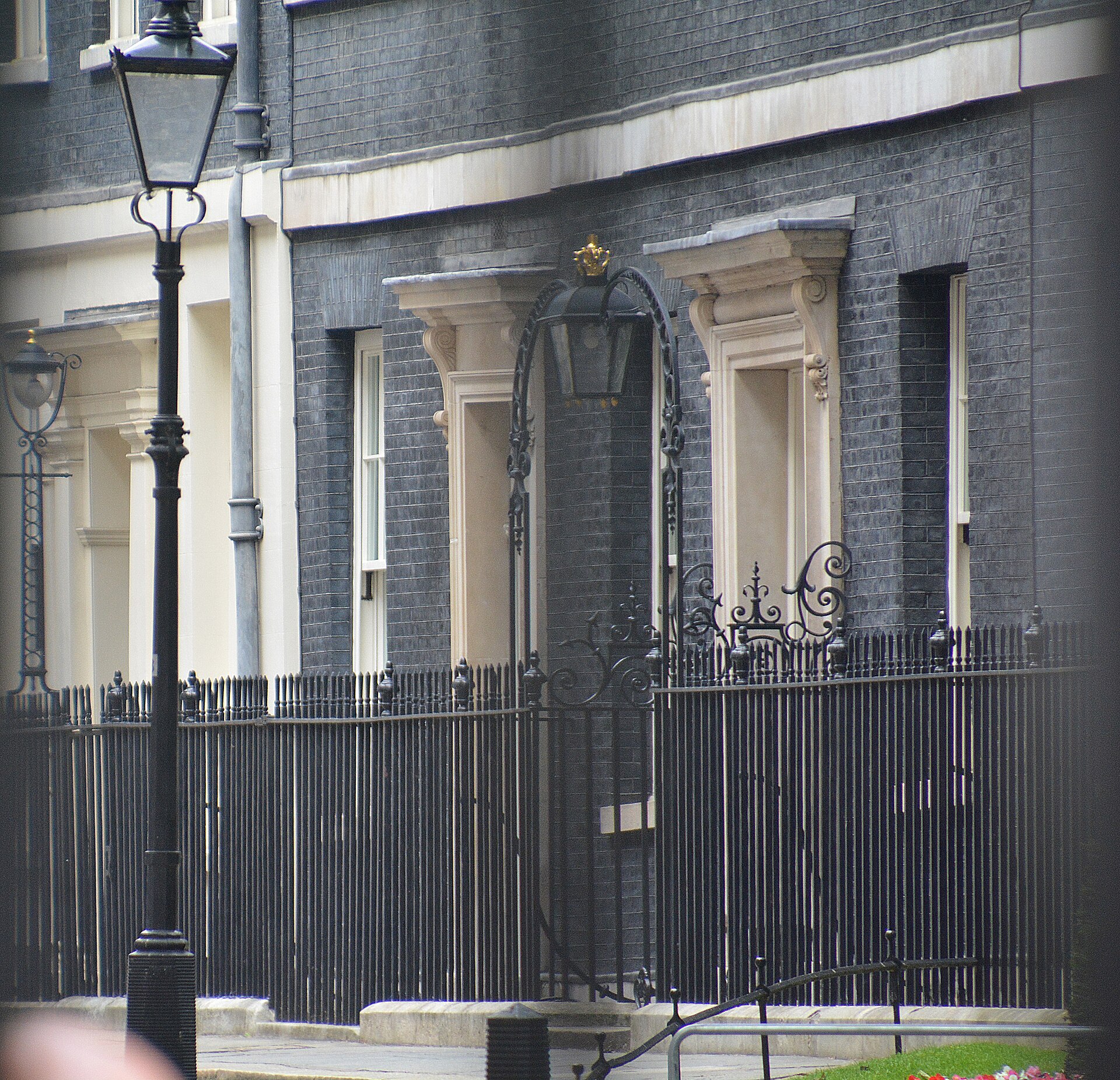
Downing Street in London before the UK EU summit migration agenda

FAQ: UK EU summit migration

When is the UK-EU summit?
The summit is scheduled for 20 November 2026 in Brussels.

Is migration the only topic on the agenda?
No. Trade sits alongside migration as a top priority, according to officials quoted in coverage of the summit’s planning.

Will the summit bring back free movement between the UK and EU?
There is no indication of that. Discussions appear focused on narrower cooperation, such as returns agreements and information-sharing, not a return to pre-Brexit freedom of movement.

Why did Russian interference claims come up around this summit?
A UK figure pushing for closer EU ties cited concerns about Russian meddling in the original Brexit referendum as part of the case for deeper cooperation now.

Who is pushing hardest for migration cooperation?
Manchester mayor Andy Burnham has publicly prioritized trade and migration ahead of the summit, according to reporting on his comments.

Will any agreements be signed on the day of the summit?
That is unclear. A joint statement is the most likely immediate output, with detailed agreements more likely to follow in later technical negotiations.

Does this summit affect UK visa rules for EU citizens?
Nothing announced so far points to new visa rules for EU citizens visiting the UK. The agenda as described focuses on cooperation measures rather than visa policy changes.

How does this summit connect to wider EU politics this month?
It lands during a period of broader EU strain, including cost-of-living protests in France and new enforcement powers under the EU’s AI Act. Brussels is managing several pressures at once heading into November.