EU Parcel Handling Fee of €2 Starts on 1 November

The European Union will charge a €2 handling fee on every package entering the bloc from 1 November 2026, whatever its value, according to Euronews. The EU parcel handling fee sits on top of a €3 customs duty that has applied since July to parcels worth under €150, which Euronews describes as temporary until 2028.

In this article

What is changing

Euronews reports the €2 fee applies to all packages regardless of value, starting 1 November. The €3 duty for parcels under €150 has been in force since July. Taken together, a low-value parcel can now carry both charges, though the report does not set out how they are combined at the border, so check the customs guidance on the European Commission’s taxation and customs site before shipping.

The numbers behind it

Euronews says small-parcel imports fell 60% between July and September, yet about 5 million parcels still enter the EU every day. It adds that 91% of 2024 shipments came from China.

Where the money goes

Per Euronews, 75% of the fee revenue goes to the EU budget and 25% stays with member states.

Example: a small overseas seller

As an illustration, not a real case: a Vietnamese seller who ships handmade goods to customers in Germany and France should expect each parcel to cost €2 more to land from 1 November, plus the €3 duty if the item is under €150. Whether to raise prices or batch orders is a business decision; sellers weighing a local presence in Europe can compare options in our company formation guide. For related policy coverage, see our reports on the ETIAS delay and the UK-EU summit talks.

What to watch next

The €3 duty is described as temporary until 2028, so a permanent customs regime is the next step to follow. No further dates are given in the sources we read.

Parcel fee questions

When does the EU parcel fee start?

1 November 2026, per Euronews.

How much is it?

€2 per package, regardless of value.

Does the €3 duty still apply?

Yes. It has applied since July to parcels under €150 and is temporary until 2028, per Euronews.

Who receives the revenue?

75% goes to the EU budget and 25% to member states.

Have imports changed?

Small-parcel imports fell 60% between July and September, per Euronews.

Where do most parcels come from?

91% of 2024 shipments came from China, according to Euronews.

Sources

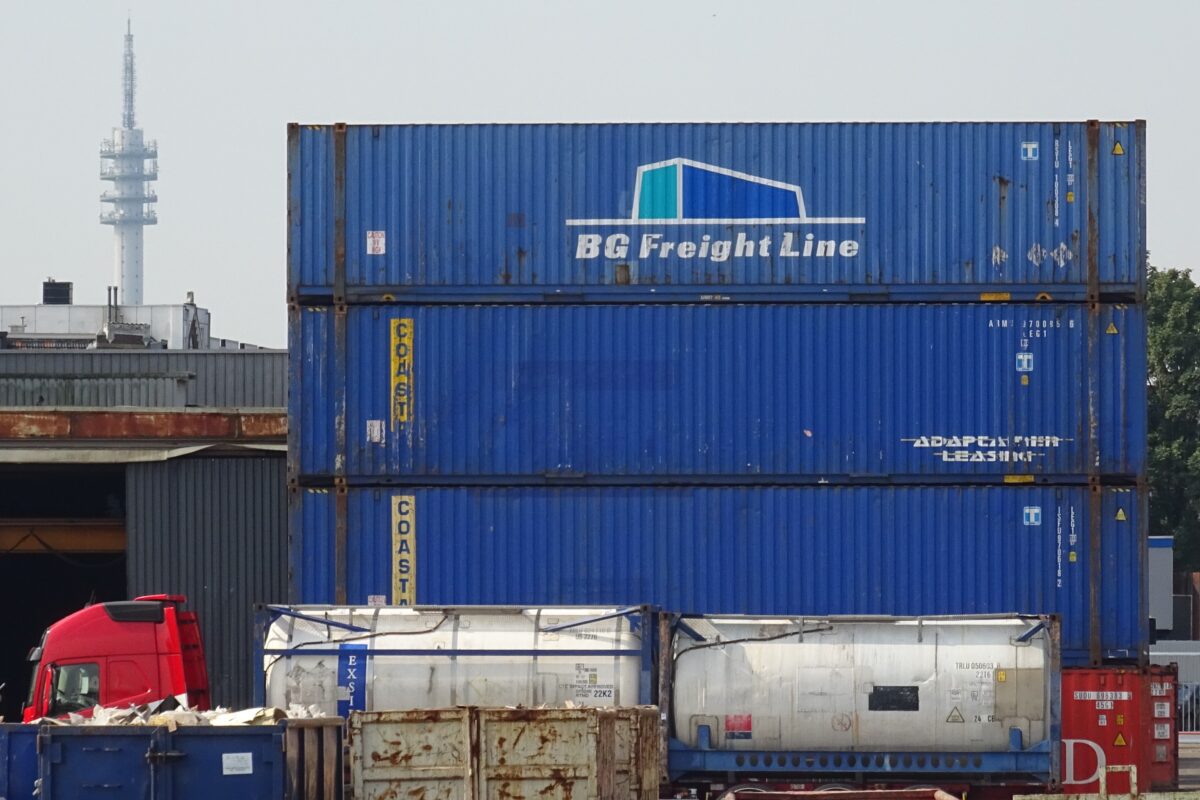
Image: Shipping container, Port of Rotterdam (2017), CC BY-SA 4.0, via Wikimedia Commons.

Mistral Large 4 Goes Open-Weight With a Cybersecurity Focus

Mistral AI has released the weights of Mistral Large 4, a trillion-parameter model, on Hugging Face and through its API, so businesses and governments can run it on their own systems, according to TechCrunch. The Mistral Large 4 release, reported on 29 October 2026, is pitched at cybersecurity use. The performance claims below come from Mistral, not independent testing.

Contents

What was released

TechCrunch says the model, called ML4, was introduced earlier in October and has now had its weights opened. Open weights let organisations download and run the model themselves, rather than only calling a hosted service. Mistral’s announcement is listed on Hugging Face, though we relied on TechCrunch’s account of it.

Mistral’s claims

The company says Large 4 is comparable to the Chinese open-weight model GLM-5.3 while using 47% fewer tokens per task, and that it outranks all open models on the Artificial Analysis Coding Agent Index. Both are company statements; we have not seen independent benchmarks. TechCrunch quotes chief executive Arthur Mensch saying AI should “be a tool for empowerment, not dominance.”

Why self-hosting matters

For security teams, running a model in-house means sensitive logs and code need not leave the organisation, a point governments and regulated firms often weigh. Open weights also let others inspect and modify the model, which cuts both ways for misuse. Related regulatory coverage is in our report on EU AI Act enforcement, and on hardware supply in the Nvidia, Samsung and TSMC memory deal.

What it means for builders

As an illustration, not a real case: an Indian engineer at a security start-up could test the model on their own servers and compare cost per task with a hosted rival. Founders choosing where to incorporate an AI company can read our company formation guide. Check the licence terms before commercial use; we have not reviewed them.

What to watch

Independent benchmark results, the licence terms and any security researcher findings will test Mistral’s claims. No date for further releases was given in the report we read.

Mistral Large 4 questions

What did Mistral release?

The weights of Mistral Large 4, a trillion-parameter model, on Hugging Face and via API.

Is it open source?

Weights are open; check the licence for exact terms.

What is the performance claim?

Comparable to GLM-5.3 with 47% fewer tokens per task, per Mistral.

Is that independently verified?

Not in the sources we read.

What is it aimed at?

Cybersecurity, per TechCrunch.

Who leads Mistral?

Arthur Mensch is chief executive.

Sources

Image: View of Paris skyline (Unsplash), CC0, via Wikimedia Commons.

Express Entry Draw 453: 150 Transport Workers Invited at CRS 477

Canada invited 150 candidates in a Transport category Express Entry draw on 28 October 2026, with a minimum score of 477, according to Immigration.ca. It was round 453. The site calls it the smallest Transport round and the highest Transport cut-off on record, a characterisation we could not check against the official rounds page, which did not display the latest round when we read it.

Contents

The draw

Immigration.ca reports the round ran at 10:34:14 UTC on 28 October, issuing 150 invitations to apply with a cut-off of 477. A summary table on CIC News independently lists the same date, category, score and number. Compare this with our report on the 27 October French-language draw of 5,000, which had a far lower cut-off.

Which occupations

Under the 2021 National Occupational Classification, Immigration.ca lists aircraft mechanics and inspectors (72404), air pilots, flight engineers and flying instructors (72600), aircraft instrument, electrical and avionics technicians (22313), and automotive service technicians, truck and bus mechanics (72410). Only profiles in these occupations in the pool were eligible for this round.

The tie-break

Candidates at exactly 477 were invited if their profile was created before 21:48:22 UTC on 4 June 2026, per Immigration.ca. This means people with an identical score are ranked by profile date.

Rule changes on 3 November

Immigration News Canada, a single secondary source, reports that Immigration Minister Lena Metlege Diab announced changes on 16 October taking effect 3 November: points for Canadian work experience or a job offer in a high-wage occupation, and no LMIA required for a qualifying offer. It says candidates’ scores will be recalculated automatically and invitation rounds will pause during recalculation, which “may take up to two weeks”. We could not confirm this on the official page, so check IRCC directly. Our earlier explainer is here.

An example candidate

As an illustration, not a real case: a Mexican aircraft maintenance technician with a profile below 477 would not have been invited, but could improve a score with language results or Canadian experience. Check eligibility with the visa eligibility checker.

What to do

Keep your profile current, note the possible pause in draws after 3 November, and follow the official IRCC rounds page for the next category draw. Dates of future draws are not announced in advance.

Express Entry questions

What was the cut-off for the 28 October draw?

477, for the Transport category.

How many invitations were issued?

150, per Immigration.ca.

Which round number was it?

Round 453.

What was the tie-break date?

Profiles created before 21:48:22 UTC on 4 June 2026.

Will draws pause?

Immigration News Canada reports a pause during score recalculation after 3 November, up to two weeks; unconfirmed officially.

Where are official results?

On the IRCC Express Entry rounds of invitations page.

Sources

Image: Parliament Hill, Ottawa, CC0, via Wikimedia Commons.

Commonwealth Fellowships 2027: Apply by 5 November

Applications for Commonwealth Fellowships 2027 close on Thursday 5 November 2026 at 16:00 GMT, according to the Commonwealth Scholarship Commission. The fellowships are for mid-career professionals and academics from eligible Commonwealth countries, not for degree study. The page says applications are open through the Commission’s own form only.

Contents

What is new this round

From 2026/27 the Commission has launched a Commonwealth Fellowship Programme with two strands: Professional Fellowships and a new Academic Fellowships strand. It says it provisionally plans around 12 fellowships in total. Fellowships begin in March 2027 and last up to three months, hosted by named UK universities with fixed start dates from 1 March 2027.

Who can apply

Candidates must be citizens of an eligible Commonwealth country other than the UK, permanently resident there, and not hold indefinite leave to remain in the UK. Professional Fellows need five years of relevant work experience; Academic Fellows need a PhD and university employment. Two references are required, and anyone who held a Commonwealth Fellowship in the last five years is excluded. The page lists countries such as Canada, Australia, New Zealand, Singapore, Cyprus, Malta and several Caribbean states, and each host programme sets its own country limits, so check the page for yours.

What is paid

The page states, at 2025/26 rates, a return airfare, reimbursement of the standard visa fee, a stipend of £2,218 a month (£2,753 in the London area) and an arrival allowance of up to £1,247.09. Extra fees of up to £1,000 or £2,000 can be approved depending on length. Rates for 2026/27 may differ, and fellows cannot hold another award covering the same costs.

An example applicant

As an illustration, not a real case: a Singaporean policy specialist with six years in a public agency would apply on the Professional strand, choose a host programme matching their field, and line up two referees now. Students seeking a full degree should see our guides to the Gates Cambridge deadlines and Chevening timeline, and can test their route with the visa eligibility checker.

Before the deadline

With six days left, confirm your country is on the eligible list, pick a host programme, contact referees, and submit through the Commission’s form only. Late applications are not mentioned as accepted on the page. Watch the official site for any change.

Fellowship questions

When is the deadline?

Thursday 5 November 2026 at 16:00 GMT.

Is this a degree scholarship?

No. It is a fellowship for professionals and academics, lasting up to three months.

When do fellowships start?

March 2027, with fixed host start dates from 1 March 2027.

How many fellowships are planned?

Provisionally around 12 in total.

How do I apply?

Through the Commission’s own application form only.

What does the stipend cover?

£2,218 a month, or £2,753 in the London area, at 2025/26 rates.

Sources

Image: Oxford skyline from Christ Church Meadow, CC BY-SA 4.0, via Wikimedia Commons.

Binance Hack: Withdrawals Paused as Losses Estimated in Billions

Binance suspended withdrawals on multiple networks on 29 October 2026 after what it called a security incident, and early estimates of the Binance hack run from about $2 billion to more than $6 billion, according to TechCrunch and CoinDesk. None of these loss figures is independently confirmed. Binance says user funds are safe.

Contents

What Binance has said

TechCrunch quotes Binance saying it is “aware of reports of a potential security issue and are actively investigating”, and “Rest assured that user funds are completely safe.” A spokesperson said withdrawals were suspended “as a precautionary measure”. Both statements are the company’s own and have not been verified. CoinDesk reports that withdrawals will resume after the issue is resolved; neither article we read says they have resumed.

The loss estimates

TechCrunch cites crypto watchers saying at least $2 billion was drained from hot wallets, with some estimates above $5.7 billion. CoinDesk reports a Binance estimate of about $6.3 billion and a Chainalysis estimate of about $5.9 billion at the time of the theft. The range is wide because on-chain tracking and company accounting differ, and the figures may change.

Frozen funds

According to TechCrunch, Tether froze about $1.56 billion and Circle about $800 million, based on posts it cited. CoinDesk reports around $3 billion frozen in total, including $2.3 billion in USDT and USDC. These stablecoin freezes limit what an attacker can cash out; they do not by themselves show how much customers lose.

Possible cause and attribution

CoinDesk reports Binance attributing the incident to a compromised DevOps engineer’s laptop, with no evidence of a wallet private-key leak, which is the company’s account. It also cites analytics firms TRM Labs and Blockaid pointing towards North Korea; these are third-party assessments, not confirmed findings. TechCrunch notes the attacker is unknown and that Binance’s founder said on X the company was “likely hacked” and expects funds to be fully covered. Separately, it reports Polymarket halted trading after a third-party compromise, with about $2 million at stake according to researchers.

What users should consider

As an illustration, not a real case: a Filipino freelancer paid in stablecoins and holding a balance on an exchange cannot withdraw it while the pause lasts. General precautions include not moving funds in response to unsolicited links, treating “recovery” messages as likely scams, and keeping long-term holdings in self-custody. This is not financial advice. For related market coverage see our reports on the Anthropic IPO and big tech earnings week.

What happens next

Watch for Binance confirming a resumption date for withdrawals, an official loss figure, and any regulator statements. CoinDesk’s page also carries later headlines about Binance arranging funds to cover losses, which we have not read in full, so we do not report them as fact.

Binance hack questions

Has Binance confirmed a hack?

It confirmed a security incident and a precautionary suspension of withdrawals; the extent is not independently verified.

How much was stolen?

Estimates range from at least $2 billion to about $6.3 billion, depending on the source.

Are user funds safe?

Binance says so; that is its own claim.

Have withdrawals resumed?

Not according to the articles we read.

Who is behind it?

Unknown. Analytics firms cited by CoinDesk point towards North Korea, unconfirmed.

What did Tether and Circle do?

They froze funds, about $1.56 billion and $800 million respectively, per TechCrunch.

Sources

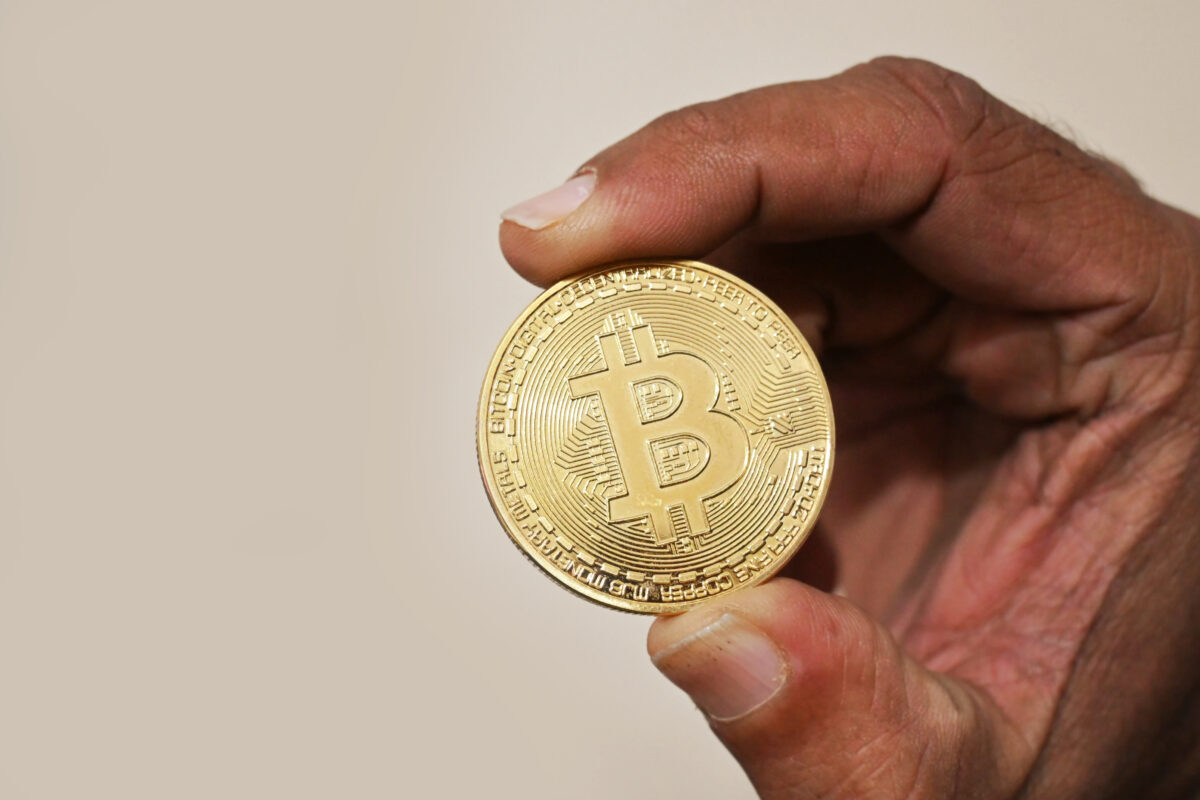
Image: Holding Bitcoin cryptocurrency coin, CC BY 2.0, via Wikimedia Commons.