Gates Cambridge Scholarship 2027: Deadlines of 8 Dec and 6 Jan

The Gates Cambridge Scholarship 2027 round for most international applicants closes on either 8 December 2026 or 6 January 2027, depending on the course, according to the scholarship’s official application timeline. The earlier US-resident round closed on 14 October 2026, so the dates below matter mainly to applicants from outside the USA. Everything in this article comes from the official pages we read; check the University of Cambridge course directory before you apply.

Contents

The deadlines

Round 2, for all eligible applicants other than US citizens living in the USA, opened on 11 September 2026. The deadline is either Tuesday 8 December 2026 or Wednesday 6 January 2027, depending on your course; the timeline tells applicants to check the Course Funding Deadline in the University Course Directory. The timeline says most applicants fall into this later round, which is aligned with the University’s postgraduate funding competition.

Who can apply

According to the eligibility page, you must be a citizen of any country outside the United Kingdom. US citizens who live in the USA had to apply in the October round and cannot apply later, while US citizens studying, working or living overseas at the time of application should apply in the later round. The pages we read do not describe the selection criteria or what the scholarship pays for, so check those pages on the official site.

Which courses count

Eligible courses are PhD study (full-time, with part-time PhD funding in a pilot scheme), the full-time MLitt and one-year full-time postgraduate courses, with some exceptions. Undergraduate degrees, MASt courses, part-time degrees other than the PhD and professional or non-standard degrees such as the MBA, PGCE and MD are excluded. Current Cambridge students can apply for a new postgraduate course but not for funding to finish one already started, and current Gates Cambridge Scholars can apply for a second scholarship for a new degree.

What happens after you apply

For Round 2, departmental ranking runs from December to February, outcomes are notified by 11:59pm UK time on Monday 8 March 2027, and the panel reviews cases on 22 and 23 March 2027. Scholarship offers follow by early April 2027, and candidates must accept within 72 hours of an offer.

A worked example

As an illustration, not a real case: an Indian mechanical engineer applying for a one-year MPhil should look up the course’s Course Funding Deadline first, because it decides whether the date is 8 December or 6 January, then plan documents backwards from it. A student weighing other UK options can also read our reports on the Chevening 2027/28 timeline and the Clarendon Scholarship at Oxford, and use the visa eligibility checker to prepare for the study visa that follows an offer.

What to do now

Check your course’s funding deadline in the University of Cambridge Course Directory, confirm that your course is on the eligible list, and work back from either date. Because the whole decision cycle runs to April 2027, applicants should also line up a second funding route in case the outcome is not positive; scholarship timelines at other universities differ, and we have not verified them here.

Gates Cambridge questions

When is the Gates Cambridge 2027 deadline for non-US applicants?

8 December 2026 or 6 January 2027, depending on the course, per the official timeline.

When did the US-resident round close?

14 October 2026, 11:59pm UK time.

Who is eligible?

Citizens of any country outside the UK, applying to eligible Cambridge courses.

Is an MBA eligible?

No. The eligibility page lists the MBA, PGCE and MD as excluded.

When are outcomes announced for Round 2?

By 11:59pm UK time on Monday 8 March 2027.

How long do I have to accept an offer?

72 hours, according to the timeline.

Sources

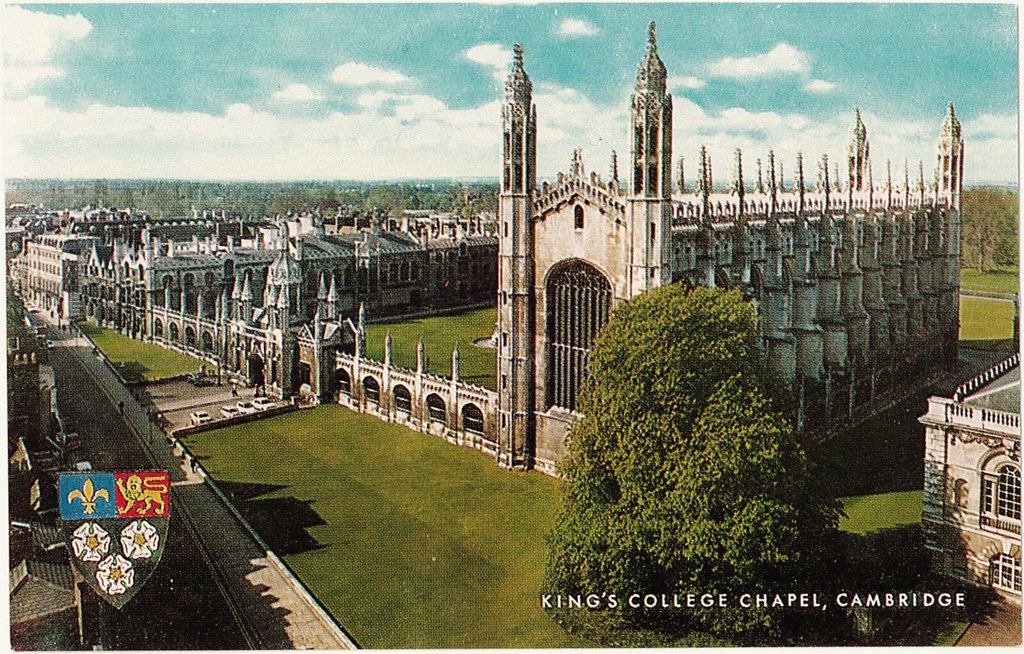
Image: King’s College Chapel, Cambridge, CC BY-SA 3.0, via Wikimedia Commons.
UK Immigration Rules HC 584: Visitor and Erasmus+ Changes

The UK Immigration Rules HC 584 package, published by the Home Office on 3 September 2026, has now taken effect for most of its changes, with the main provisions applying to applications and entries from 8 October 2026, according to a Lewis Silkin summary. The package widens what visitors can do in the UK, adds Erasmus+ to the rules and tightens how the system treats people who have previously frustrated immigration controls. The official statement is listed on GOV.UK, which shows it was last updated on 22 October 2026 without explaining why.

Contents

Visitor rules now more permissive

Lewis Silkin reports that for visa applications or entries on or after 8 October 2026, all visitors may take part in workshops and debates and attend skills competitions. Visitors who come to train in the UK no longer have to show the training is unavailable in their home country. Visiting artists, entertainers and musicians may attend rehearsals as well as performances, and a new “entertainment staff” definition lets people employed outside the UK by a visiting performer assist with the same creative activities.

Erasmus+ enters the Immigration Rules

For applications made on or after 8 October 2026, Erasmus+ is added to the Government Authorised Exchange requirements, according to the same summary. A new visitor activity category, “Erasmus+ activities”, covers programme-related training, education and work experience. Visitors on an Erasmus+ project may study at UK state-funded schools and academies for up to six months, subject to child safeguarding and other eligibility requirements, and students on Erasmus+ courses can be sponsored whether or not the course leads to an approved qualification. Lewis Silkin states that the UK rejoins Erasmus+ on 1 January 2027, which is when these provisions are designed to operate.

Where the rules tighten

Two changes point the other way. In-country applicants who have previously frustrated immigration controls, for example by failing to report for or absconding from bail, will be treated as having breached immigration law, which aligns in-country refusals with entry clearance. And for variation applications made on or after 8 October 2026, biometrics must be enrolled by the deadline for the previous application, leaving a single enrolment period. A further change lets Skilled Workers recognised as modern slavery victims, through a positive Conclusive Grounds decision, take other work for the rest of their visa; professional sport and sports coaching stay barred and the public funds restriction is unchanged. Lewis Silkin notes the Home Office has not yet published how that process will work.

What it looks like for a student

As an illustration, not a real case: a Brazilian university student whose home institution joins an Erasmus+ project with a UK partner would, from 2027, fall under the new Erasmus+ activities category rather than a general visitor route. They should confirm the exact route, fees and documents with the sponsor and with GOV.UK before booking travel. Students planning longer study should also see our guide to the UK student visa funds increase and use the visa eligibility checker to plan a route.

What happens next

The Home Office will need to publish guidance on the modern slavery work process, and the Erasmus+ provisions are tied to the 1 January 2027 start. Other dated items in the package, such as later student maintenance changes, should be checked against the primary statement before you rely on them; we did not verify them against the statement’s PDF for this report.

Questions on HC 584

When did HC 584 take effect?

Most changes apply to applications or entries from 8 October 2026, according to Lewis Silkin. The statement itself was published on 3 September 2026.

What can visitors now do?

Attend workshops, debates and skills competitions; trainees no longer need to show training is unavailable at home; artists may attend rehearsals.

When does the UK rejoin Erasmus+?

Lewis Silkin states 1 January 2027.

Is there a new Erasmus+ visa route?

There is a new visitor activity category called Erasmus+ activities, plus changes to the Government Authorised Exchange rules.

Who is affected by the biometrics change?

People making variation applications on or after 8 October 2026, who now get a single enrolment period tied to the earlier application’s deadline.

Where is the official text?

On GOV.UK under Statement of changes to the Immigration Rules HC 584.

Sources

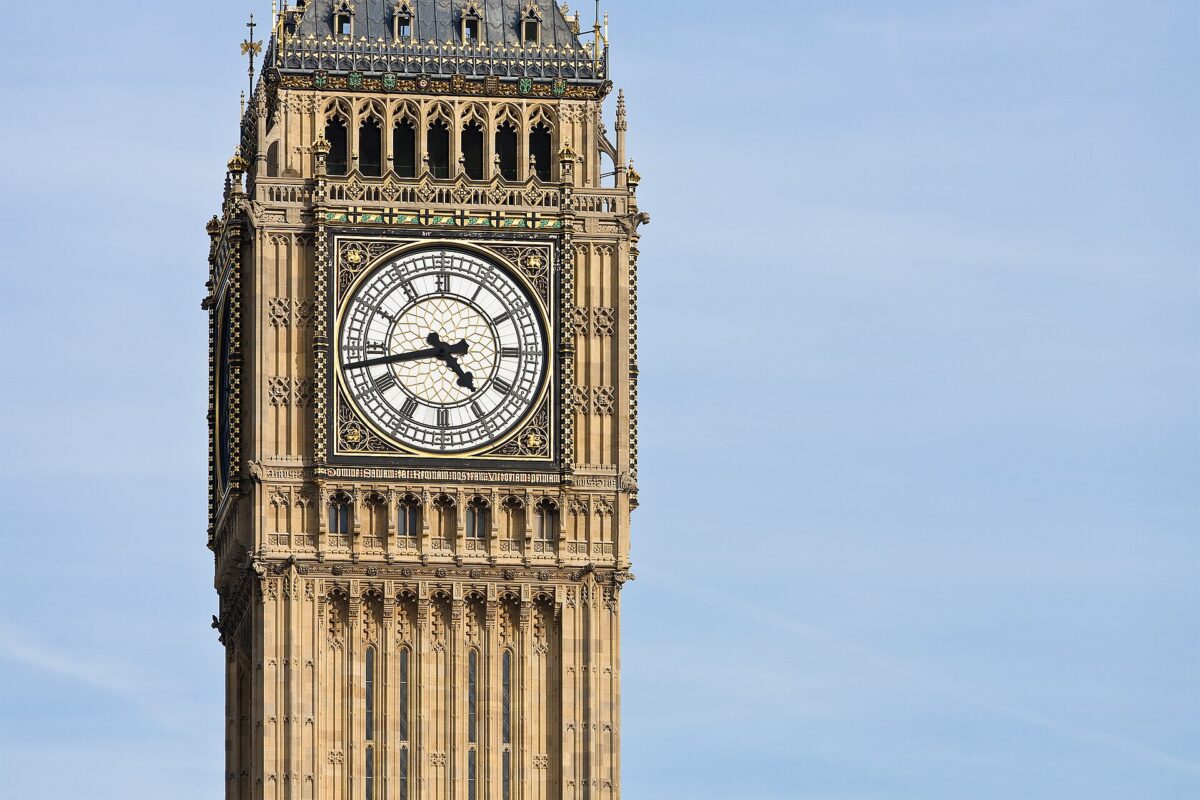
Image: Palace of Westminster clock tower by Diliff, CC BY 3.0, via Wikimedia Commons.

UK Student Visa Costs Are Rising Nov 30 — Here’s How to Beat the Deadline

The UK is raising how much money international students must show to qualify for a Student visa. Changes to UK student visa funds requirements set a new minimum for applications made on or after 30 November 2026. The government published the change on 3 September 2026. It came in a Statement of Changes to the Immigration Rules known as HC 584.

A student preparing documents, relevant to UK student visa funds requirements

What is changing in UK student visa funds requirements

Students applying for courses in London will need to show £1,570 per month, up from £1,529. The nine-month maximum rises to £14,130, up from £13,761. Outside London, the monthly figure rises to £1,203 from £1,171, with a nine-month maximum of £10,827, up from £10,539. The accommodation offset cap also rises in line with the London figure, moving from £1,529 to £1,570. That cap applies when a sponsor arranges housing on a student’s behalf.

The increases are modest in percentage terms, roughly 2.7% to 3%. Even so, the increase is real in cash terms. It adds several hundred pounds to the total an applicant must show before the Home Office grants a visa.

Why the date of application is what counts

The Home Office has stated plainly that the application date determines which maintenance figure applies. The date a Confirmation of Acceptance for Studies, or CAS, was issued does not matter. Neither does the course start date. Neither does the date shown on a bank statement. Submit on or before 29 November 2026, and an applicant gets assessed against the lower, current figures, even if the course itself starts well into 2027. Submit on 30 November or later, and the new, higher thresholds apply instead.

That distinction matters for planning. Take a prospective student who already holds a CAS for a course starting in early 2027. That student can still apply under the current, lower maintenance requirement. The application itself just needs to go in before the cutoff date. Waiting until after 30 November to submit that same application would require showing the higher amount instead.

Who the change affects

The new figures apply to the Student visa route. That route covers international students coming to the UK for degree-level and other eligible courses. Nationality makes no difference here. Every applicant on the route faces the same requirement, regardless of where they come from. The Home Office applies its maintenance-fund rules uniformly across every Student visa applicant.

What happens before 30 November

Students with an upcoming application should check which figure applies based on when they plan to submit, not when their course starts. Universities and visa advisers typically update their own guidance once a Statement of Changes like HC 584 takes effect. Even so, applicants should confirm the current threshold directly against Home Office guidance. Older published figures can lag behind rule changes by several weeks. A university’s own webpage is not always the most current source as a result.

Students who are unsure which figure applies can check Home Office guidance directly. They can also ask their university’s international office to confirm the current threshold before submitting.

Visa advisers also note a practical wrinkle worth planning around: bank statements used to prove maintenance funds must meet the Home Office’s own freshness and format rules, separate from the amount itself. An applicant who gathers the right documents early, rather than rushing them together just before the 30 November cutoff, reduces the risk of a refusal over a technicality rather than the funds themselves. That kind of avoidable refusal is especially costly for students on a tight timeline to a specific course start date, since reapplying can take weeks they may not have to spare. Advisers describe it as the single most preventable reason a strong application still gets turned down. It is also one of the simplest issues to fix, since it only requires planning ahead rather than meeting any additional financial threshold. With the 30 November deadline now firmly set, that planning window is shrinking fast for anyone who has not yet started gathering the right documents together.

More UK visa coverage

UK visa policy has shifted on several fronts this month. See our reports on the recent surge in UK student visa refusals, UK Erasmus+ visa rules for students and visitors, and the Hong Kong BNO visa settlement rules also introduced under HC 584.

UK student visa funds: frequently asked questions

  • When do the new UK student visa funds take effect? The higher maintenance fund requirements apply to applications made on or after 30 November 2026.
  • How much do London students need to show? £1,570 per month, or £14,130 for a nine-month course, up from £1,529 and £13,761.
  • How much do students outside London need to show? £1,203 per month, or £10,827 for nine months, up from £1,171 and £10,539.
  • Does the course start date determine which figure applies? No. The date the visa application is submitted determines which maintenance figure applies, not the course start date or CAS issue date.
  • Can I still apply under the current, lower figures? Yes, if the application is submitted on or before 29 November 2026, regardless of when the course itself begins.
  • Which immigration rule introduced this change? The Statement of Changes to the Immigration Rules HC 584, published 3 September 2026.

Official sources

Clarendon Scholarship Oxford 2027-28: Deadlines and How It Works

The Clarendon Scholarship Oxford programme funds more than 200 new postgraduate students a year, and you are considered automatically if you apply to your course by its December or January deadline. Oxford’s own Clarendon page says no separate application is needed. With the 2027-28 cycle open, the practical task is to find your course’s exact deadline and apply on time.

In this guide

What the scholarship covers

According to Oxford, the scholarship pays course fees plus a grant for living expenses for the period of fee liability. It is awarded for outstanding academic merit and potential, and Oxford says there are over 200 new, fully funded scholarships each year. A third-party guide, Opportunity Inside, adds that the living grant is at least the UK Research and Innovation doctoral minimum, and prints a figure of £20,780 for 2025-26 while advising that the 2027-28 amount be confirmed. Treat that figure as a guide rather than a promise, since we could not verify it on an Oxford page.

Who is considered

The same guide says any nationality is eligible, with no country quota, for new full-time or part-time Oxford master’s and DPhil courses in any subject. It says departments nominate candidates, deferred offers are not considered, and continuing the same Oxford degree is not funded. Oxford’s page confirms the key rule: automatic consideration for those who meet the December or January deadline.

Consider a hypothetical case. Ngozi is a Nigerian public-health graduate who plans a one-year master’s in Oxford. Because the scholarship is automatic, her task is not to write a separate essay but to submit a strong course application, with references and transcripts in place, before the deadline for her course. If she misses that deadline, she is not considered for Clarendon funding in that cycle.

Deadlines for 2027-28 entry

Oxford’s page says only that the relevant deadline is in December or January, depending on the course, and does not list dates. The third-party guide lists 26 January 2027 in its details box, with a noon UK cut-off, and says applications opened in September 2026. It also says divisions meet in February or March 2027 and most first offers go out by the end of April 2027. Because these are secondary reports, check the exact date on your course page in the Oxford course directory before relying on them.

How to apply

Identify your course and its deadline, prepare the full application, and submit it by noon UK time on the day. Do not wait for the last hour, since documents and references are part of the deadline. After that, departments nominate candidates and there is no separate scholarship form to fill in. If you are choosing between several UK courses, the visa eligibility checker can help you plan the study-visa side alongside funding.

Other funding routes

Clarendon is one of several routes for postgraduate study abroad. Tamara News has also covered the Gates Cambridge deadlines, the Commonwealth master’s scholarships, the Chevening timeline and the Erasmus Mundus joint master’s programmes. Several have passed or are close, so apply to more than one where you qualify.

Clarendon questions

Do I need a separate Clarendon application?

No. Oxford says you are automatically considered if you apply by the December or January deadline for your course.

What does it cover?

Oxford says course fees plus a grant for living expenses for the period of fee liability.

How many scholarships are there?

Oxford says over 200 new, fully funded scholarships each year.

What is the deadline?

December 2026 or January 2027, depending on your course. A third-party guide lists 26 January 2027 for one deadline, so check your course page.

Is there a nationality restriction?

The third-party guide says any nationality can be considered, with no country quota.

Can I defer an offer?

The third-party guide says deferred offers are not considered for the scholarship.

Sources

UCAS Deadline 2027: Key Dates for International Applicants

The UCAS deadline 2027 for 2027 entry that applies to most international undergraduates is 18:00 UK time on 13 January 2027, though it is not an absolute cut-off. UCAS describes that date as the equal consideration deadline for most courses, and the final date for 2027 entry applications is 23 September 2027. The earlier 15 October 2026 date, for Oxford, Cambridge and most medicine, dentistry and veterinary courses, passed yesterday. Details are on the UCAS website.

Key dates

The dates that matter

UCAS opened applications for 2027 entry on 12 May 2026. It lists three milestones: 15 October 2026 at 18:00 for Oxford, Cambridge and most medicine, dentistry and veterinary courses; 13 January 2027 at 18:00 for most undergraduate courses; and 23 September 2027 at 18:00 as the final date. The page notes that late applications for the October courses are unusual. If you missed that window, courses outside those groups are still open, and many universities have places later in the year.

What ‘equal consideration’ means

An equal consideration date means universities treat applications received by then on the same basis, rather than on first-come order. It does not mean applying later is impossible. UCAS says many universities and colleges continue to accept applications from international students until later in the year, and it gives no single cut-off for them. The practical limit is each university’s own course page, since popular courses can fill and some providers close earlier. Check the course entry before you plan around a later date. Applicants who need a scholarship, a place in halls or an early visa decision have reasons to apply well before the equal consideration date, even where the formal deadline is later.

Timing the Student visa

The deadline is only the first step. According to GOV.UK, you can apply for a Student visa from outside the UK up to six months before your course starts, which means about March 2027 for a September start. The page lists the fee as £558 for each applicant, plus the healthcare surcharge, and you pay the fee for each person joining you. Visa refusals have become a live issue for UK applicants this year, and our report on student visa refusals and university offers explains the pressure points.

A working timetable

Consider a hypothetical case. Linh is a Vietnamese student aiming for a September 2027 degree in the UK. She would aim to submit her UCAS application before 13 January, track university decisions through the spring, accept an offer, and request her Confirmation of Acceptance for Studies only once she holds an offer she intends to take. A visa application could then follow from roughly six months before the course begins. English-language and financial requirements are set out on the linked GOV.UK pages and vary by course and provider. Work rules after graduation are also changing, as covered in our report on the Graduate Route. Compare other study routes with our visa eligibility checker.

UCAS deadline questions

What is the main UCAS deadline for 2027 entry?

18:00 UK time on 13 January 2027, described by UCAS as the equal consideration date for most undergraduate courses.

Has the Oxford and Cambridge deadline passed?

Yes. UCAS lists 18:00 on 15 October 2026 for Oxford, Cambridge and most medicine, dentistry and veterinary courses.

Can international students apply after 13 January?

Often yes. UCAS says many universities continue to accept international applications until later in the year. Check each course page.

What is the final date for 2027 applications?

18:00 UK time on 23 September 2027, according to UCAS.

When can I apply for a UK Student visa?

From outside the UK, up to six months before your course starts, according to GOV.UK.

How much is the Student visa fee?

GOV.UK lists £558 from outside the UK, plus the healthcare surcharge. Check the page for the current amount before applying.

Sources