Why Airlines Keep Pushing Back Their Middle East Restart Dates

The latest round of Middle East flight suspensions pushes the region’s aviation disruption deeper into the winter travel season. The European Union Aviation Safety Agency has extended its full airspace-avoidance advisory. It covers Iran, Iraq, Lebanon and Jordan. It also covers Gulf waters off the UAE, Bahrain, Kuwait, Qatar and Oman. The advisory now runs through 16 November 2026. EASA cites “high risks from missiles, drones and air-defence systems.” Individual carriers have gone further still. Singapore Airlines has cancelled its Singapore Changi–Dubai International route until 1 December. Its budget arm Scoot has cancelled Singapore Changi–Jeddah flights until 2 December.

Singapore Airlines said other services could also be affected as the situation develops. That caveat underscores how fluid the restart timeline remains. Several carriers have already pushed their resumption dates back more than once this year.

What’s driving the Middle East flight suspensions

EASA’s advisory sits downstream of a broader US-Iran standoff. That standoff has defined much of the region’s security picture this autumn. Reports say Washington has warned several Gulf Arab governments to prepare for a possible renewed military campaign against Iran. That campaign could follow the 3 November US midterm elections. A separate, reportedly unconfirmed diplomatic letter from Vice President JD Vance to Iranian officials has offered a competing signal. It suggests talks could resume.

For airlines, the practical effect is the same regardless of which signal proves more durable. Missile, drone and air-defence activity spans multiple overlapping airspaces. That makes route planning significantly harder, and insurers price that risk accordingly. Carriers are routing around the closed airspace rather than through it. This has produced longer flight times. It has caused cascading delays on Europe–Asia long-haul routes. It has also forced unscheduled technical refuelling stops that disrupt crew schedules well beyond the affected region.

Airport terminal runway affected by Middle East flight suspensions
Photo: Paul Hamilton / Wikimedia Commons (CC BY-SA 2.0)

Which routes and airlines are affected

The EASA advisory covers full airspace avoidance over Iran, Iraq, Lebanon and Jordan, plus Gulf waters off the UAE, Bahrain, Kuwait, Qatar and Oman. That combination affects nearly every major east-west flight path between Europe and South or Southeast Asia. Singapore Airlines and Scoot’s route cancellations into Dubai and Jeddah are among the most concrete examples. Both carriers have signalled that further adjustments are possible as the 16 November and early-December dates approach.

Previous extensions in this same advisory cycle have repeatedly pushed restart dates later rather than holding them. That pattern makes the current 16 November and 1–2 December dates worth treating as provisional rather than firm.

What travelers booked on affected routes should do

Anyone holding tickets through, or routed near, the affected airspace should check directly with their airline. Do not assume a booking made before this extension remains accurate. Flights that technically avoid the restricted airspace can still face longer duration and connection risk from the rerouting itself. This holds even when the airline hasn’t formally cancelled the route. Travelers with tight connections through major Gulf hubs should build in additional buffer time. Those with fully cancelled segments, such as the Singapore–Dubai and Singapore–Jeddah routes, should confirm rebooking or refund options with their carrier as early as possible. Availability on alternative routes tends to tighten as a deadline approaches.

What happens between now and mid-November

The 16 November EASA deadline is the next concrete marker. If the reported US-Iran diplomatic contact produces a genuine de-escalation, airlines could begin shortening their avoidance zones or advancing restart dates. If Gulf states’ preparations for renewed US action against Iran instead materialize after the midterms, the opposite is more likely: further extensions into December or beyond. Either way, airlines serving the region have shown a clear pattern. They would rather delay a restart repeatedly than resume service into airspace EASA still flags as high-risk.

Insurers underwriting flights near the affected zones have also adjusted premiums upward in recent weeks, a cost that several carriers have signaled could eventually show up in fares on long-haul routes that previously transited the region. For now, most airlines are absorbing that cost rather than passing it on, but that calculus could shift if the advisory is extended again past its current dates.

Frequently asked questions

Which airspace does the latest EASA advisory cover?
Full avoidance applies to Iran, Iraq, Lebanon and Jordan, plus Gulf waters off the UAE, Bahrain, Kuwait, Qatar and Oman, through 16 November 2026.

Which specific flights have been cancelled?
Singapore Airlines has cancelled its Singapore Changi–Dubai route until 1 December, and Scoot has cancelled Singapore Changi–Jeddah flights until 2 December.

Why is the Middle East airspace considered high-risk right now?
EASA cites high risks from missiles, drones and air-defence systems operating across several overlapping conflict zones in the region.

How is this connected to the US-Iran standoff?
Reports that Washington warned Gulf states to prepare for possible renewed military action against Iran after the midterms, alongside a separate reported diplomatic outreach, have kept airlines cautious about restart timing.

What should travelers with affected bookings do?
Contact the airline directly to confirm current routing, rebooking options or refund eligibility, since advisory extensions have repeatedly pushed restart dates later in this cycle.

Could the suspensions be extended again?
Yes. Previous rounds of this advisory have been extended multiple times, so the current 16 November and early-December dates should be treated as provisional.

For the broader security backdrop driving these disruptions, see our coverage of US Iran diplomatic talks and Brent crude oil prices. For other recent changes affecting travelers, read our report on Europe’s delayed travel permit.

Why Pakistan and Afghanistan Can’t Agree on a Ceasefire

The latest round of Pakistan Afghanistan ceasefire talks has ended the way most of this year’s attempts have. Both sides are still blaming each other. There is no joint statement to show for it. Pakistan’s Foreign Office said on 16 October that talks with Kabul “cannot be unconditional.” It insisted Islamabad is not avoiding dialogue, including with Afghan representatives. The two governments remain locked in a dispute that has run for most of 2026. That is despite repeated mediation attempts by at least four different countries.

The latest formal effort, the Moscow Format consultations held on 5 October, ended without a joint communiqué. Pakistani officials attribute that failure to Afghan reluctance. Kabul reportedly would not accept previously agreed language describing terrorist networks operating from Afghan soil, language both sides had accepted in earlier rounds.

What Pakistan is actually demanding

Islamabad has narrowed its position to a single, repeatedly stated condition. Foreign Office spokesperson Sajjad Haider Khan called it “a verifiable mechanism to ensure complete cessation of terrorist activities emanating from Afghan soil.” In practice, that means action against Tehreek-i-Taliban Pakistan and other armed groups. Islamabad says these groups use Afghan territory to stage cross-border attacks. Khan accused the Taliban government of taking “one step forward and one step backward” on the issue. That phrase captures the pattern of partial commitments followed by inaction seen since early in the year.

The Afghan Taliban administration has avoided a categorical position on the TTP. It continues to reject Pakistan’s framing that Afghanistan serves as a base for attacks against its neighbor.

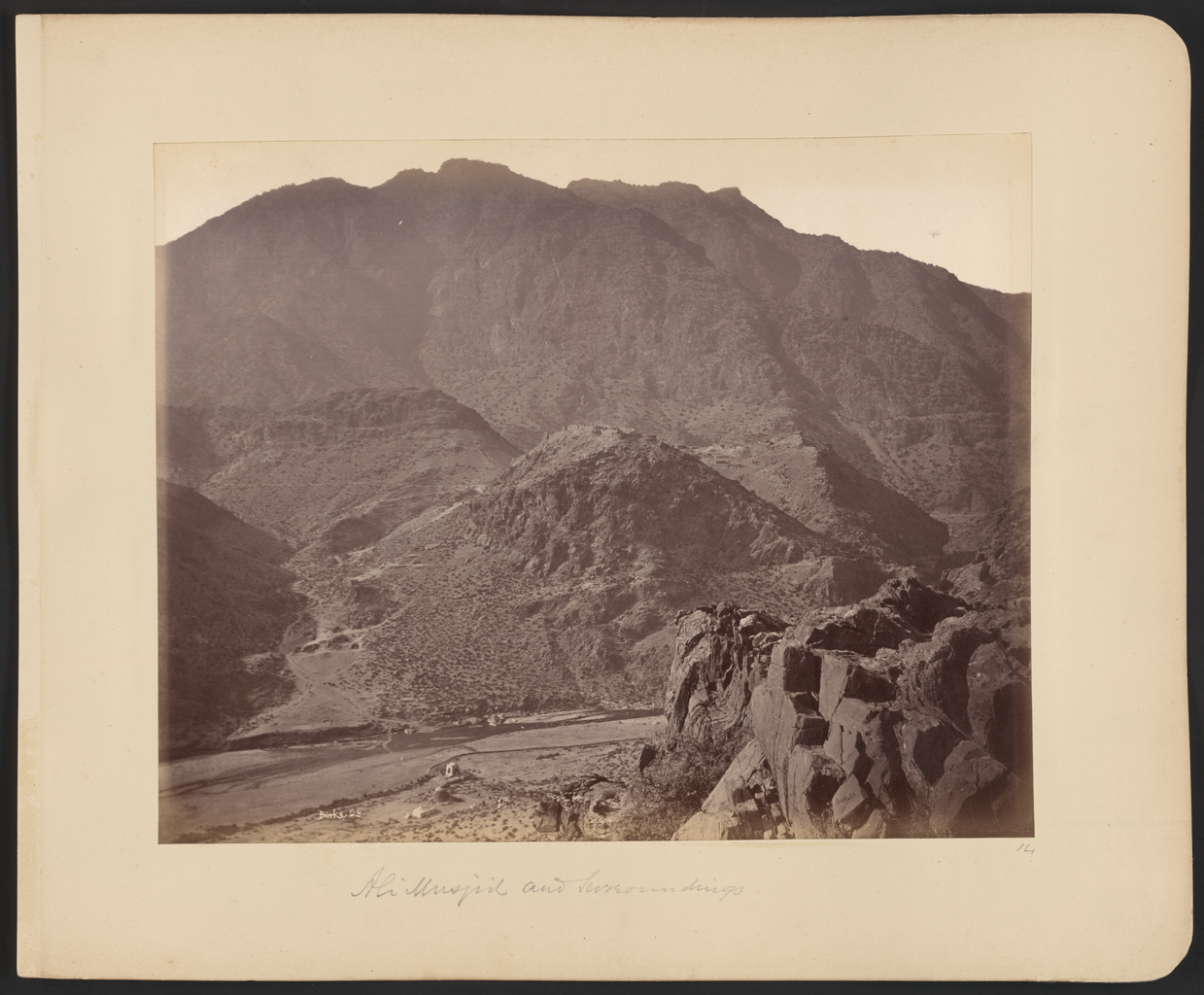
Khyber Pass mountains near the Pakistan Afghanistan ceasefire talks border

Four mediators, one unresolved dispute

The list of countries that have tried to broker a settlement has grown steadily without producing a lasting one. Qatar and Türkiye helped negotiate a ceasefire in October 2025. It held only briefly before follow-on talks stalled. Saudi Arabia hosted a separate round of discussions. China convened talks between the two sides in Urumqi in April 2026. None resolved the core dispute over cross-border militancy. The pattern of mediated calm followed by renewed friction has repeated at least three times this year.

Russia has now offered to join that list. Moscow’s envoy, Zamir Kabulov, floated the idea of formal Russian mediation earlier in October. That is notable partly because Russia is the only country to have formally recognised the Taliban government. Pakistan’s Foreign Office said it is not aware of any formal Russian mediation initiative currently under discussion. The offer remains in diplomatic limbo for now.

Pakistan Afghanistan ceasefire talks and the wider regional picture

The dispute has also pulled in a third actor. Khan used this month’s briefing to reject a threat from India’s Defence Minister Rajnath Singh. Singh had threatened a larger strike in response to future terrorist attacks. Khan pointed to the two countries’ May 2025 confrontation and warned of a stronger Pakistani response to any aggression from that direction. That three-way tension means Islamabad is managing friction on two borders at once. Analysts say this partly explains its insistence on a verifiable security guarantee from Kabul before softening its position further.

What happens from here

The Moscow round failed to produce a communiqué. No new mediation session has been confirmed. The near-term path runs through informal channels rather than a scheduled summit. Three things would signal a genuine shift. Kabul could publicly name specific steps against TTP networks rather than issue general denials. Islamabad could soften its “no unconditional talks” stance in response. Or Russia’s mediation offer could be formally accepted by both sides. Absent one of those, the current stalemate looks likely to continue into the winter.

Border trade between the two countries has also suffered during the standoff, with intermittent crossing closures compounding the diplomatic freeze. Traders on both sides of the Durand Line have reported shipment delays running into weeks, adding economic pressure to a dispute that so far has been argued mainly in security terms.

Frequently asked questions

What is Pakistan’s core demand from Afghanistan?
A verifiable mechanism to ensure the complete cessation of terrorist activity originating from Afghan soil, targeted specifically at groups like Tehreek-i-Taliban Pakistan.

Did the Moscow Format talks produce an agreement?
No. The 5 October consultations ended without a joint communiqué, which Pakistani officials attribute to Afghan reluctance to accept previously agreed language on terrorist networks.

Which countries have tried to mediate the dispute?
Qatar and Türkiye brokered an October 2025 ceasefire, Saudi Arabia hosted separate discussions, and China held talks in Urumqi in April 2026. Russia has since offered to mediate as well.

Has Pakistan’s Foreign Office commented on Russian mediation?
Yes. Spokesperson Sajjad Haider Khan said Pakistan is not aware of any formal Russian mediation initiative currently under discussion, despite envoy Zamir Kabulov’s earlier offer.

How does the India dimension factor in?
Pakistan’s Foreign Office this month rejected a threat from India’s Defence Minister of a larger strike over future attacks, pointing to a May 2025 confrontation, which adds a second front to Islamabad’s security calculus.

Is a ceasefire currently in effect?
The Foreign Office has described ongoing diplomatic efforts toward de-escalation, but no durable, publicly confirmed ceasefire agreement has replaced the one brokered in October 2025.

For related coverage of regional diplomacy this month, see our reports on US Iran diplomatic talks and Venezuela’s political transition. For how South Asian border tension intersects with regional politics, read our coverage of the Israel election results.

A Secret Letter to Iran Just Collided With a War Warning

Featured photo: Asadi s / Wikimedia Commons (CC BY-SA 4.0)

The US Iran diplomatic talks are quietly back on. Days ago, Washington reportedly sent a private overture to Tehran. At the same time, it is telling Gulf allies to brace for renewed military action. According to The Wall Street Journal, citing US officials, Vice President JD Vance sent a letter to Mohsen Rezaei, chairman of Iran’s Supreme National Security Council. The goal was reviving negotiations. President Donald Trump downplayed the move. He said he had not directed Vance to contact Iran. He described the letter as being about humanitarian aid: “they need help with medical supplies and various things.”

The outreach lands at a tense moment. The same report said Washington has warned several Gulf Arab governments to prepare for a possible renewed campaign against Iran. That campaign could follow the November 3 midterm elections. The timeline has unsettled energy markets and regional capitals alike. The result is a familiar split-screen. A diplomatic channel is opening on one track. Military contingency planning continues on another.

Why the US Iran diplomatic talks resurfaced now

Tehran and Washington have lacked a reliable diplomatic channel for most of 2026. Open hostility has been punctuated by short-lived backchannel contacts. The Vance letter, if accurately described, would mark one of the more senior-level contacts in recent months. Trump’s framing of it as humanitarian, not diplomatic, gives the administration room to deny it is softening its stance. At the same time, it lets Washington test whether Tehran will engage.

Iran’s government has not issued a detailed public response. Separately, Pakistan’s ambassador to the United Nations, Usman Jadoon, told the Security Council this week that Pakistan remains concerned that the Iran nuclear file “has sharply deteriorated.” He urged that compliance questions go through technical bodies such as the IAEA rather than becoming politicized.

The warning to Gulf allies that complicates the picture

What makes the diplomatic opening harder to read is a parallel warning. Gulf Arab states have reportedly been told to plan for a possible strike campaign once the midterms pass. That timing would remove a domestic political constraint that has shaped US decisions much of this year. For the UAE, Qatar, Bahrain, Kuwait and Oman, this is not abstract. Regional air traffic, shipping and energy infrastructure are all exposed if hostilities resume.

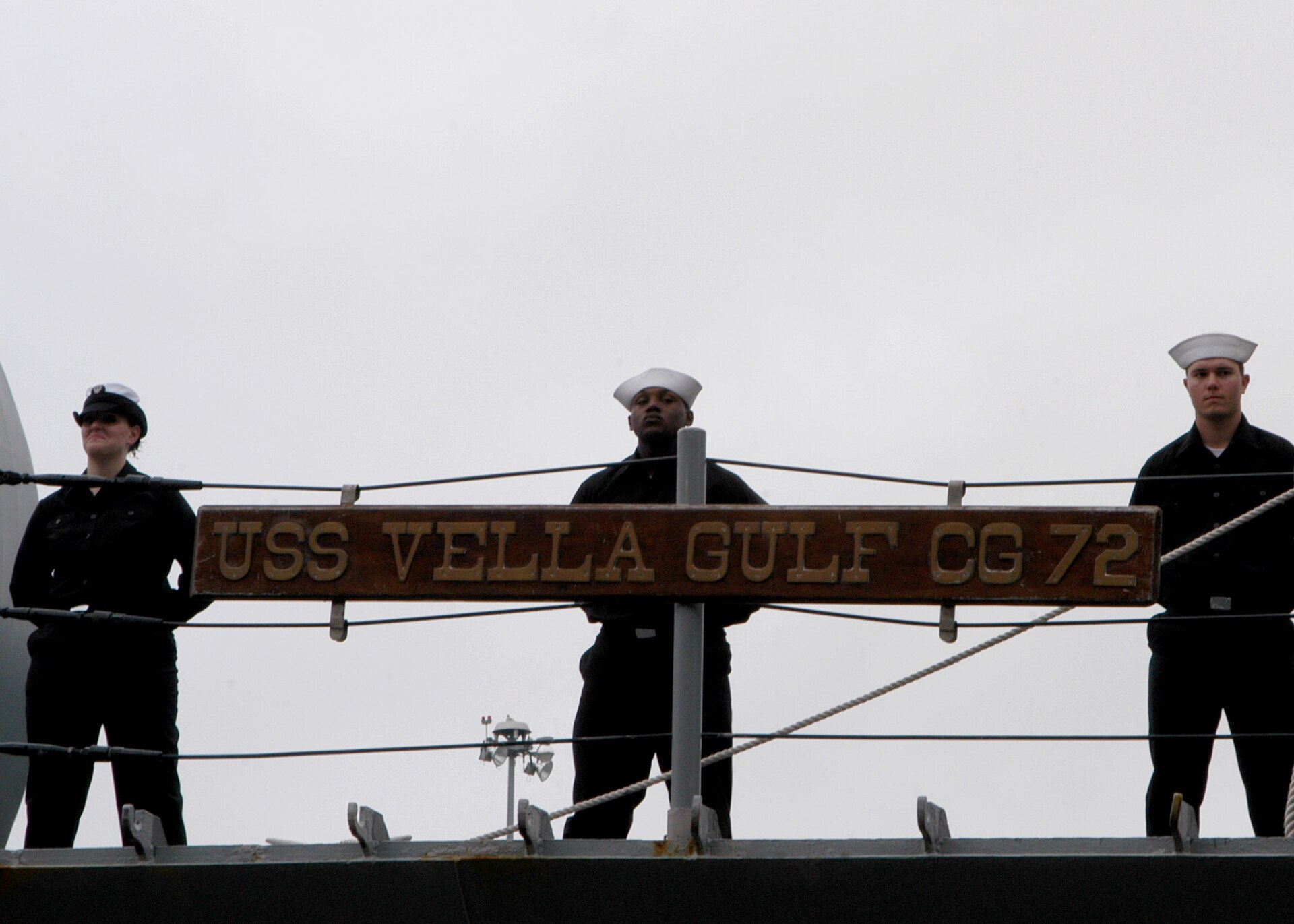
US Navy ship deployed amid US Iran diplomatic talks

Civil aviation has already adjusted. The European Union Aviation Safety Agency extended its airspace-avoidance advisory for Iran, Iraq, Lebanon and Jordan through 16 November. The same advisory covers Gulf waters off the UAE, Bahrain, Kuwait, Qatar and Oman. EASA cites “high risks from missiles, drones and air-defence systems.” Singapore Airlines and its budget arm Scoot have separately pushed their own route restarts into early December.

How markets are pricing the US Iran diplomatic talks

Energy traders are watching the diplomatic track closely. It is one of the few levers that could quickly ease a supply-risk premium that has kept oil elevated for months. Brent crude eased to around $114 a barrel after gaining more than 1% the prior session. The prospect of talks offset fears of disruption. UBS analyst Giovanni Staunovo noted that global inventories “have fallen sharply,” with strategic reserve releases “largely completed.” That means the market has far less spare cushion than earlier in the conflict.

Emirates NBD’s Nick Stadtmiller summed up the mood: “Oil prices remain volatile as markets respond to developments affecting regional production and infrastructure.” A single diplomatic signal, even an unconfirmed one, can move prices. So can a single warning the other way.

What happens next

Three things are worth watching. First, whether Tehran responds to the reported Vance letter, and how. Second, whether the midterms genuinely mark the point when military planning accelerates, as Gulf states expect. Third, whether EASA’s 16 November deadline holds, slips, or narrows. Each outcome will shape airline scheduling and insurance costs into December.

None of these threads clearly points toward de-escalation or escalation alone. Together, they describe a standoff. Both sides are keeping a door open. Both are also preparing for it to close.

Frequently asked questions

What did JD Vance reportedly send to Iran?
According to The Wall Street Journal, citing US officials, Vance sent a letter to Mohsen Rezaei, chairman of Iran’s Supreme National Security Council. The aim was reviving talks with Tehran.

Did President Trump confirm the letter?
No. Trump said he did not direct Vance to contact Iran. He described the letter’s content as humanitarian aid, including medical supplies.

Why were Gulf Arab countries warned to prepare for action?
The Journal reported Washington told several Gulf states to ready for a possible renewed US campaign against Iran. That campaign could follow the November 3 midterms.

How is the airspace restriction connected to this story?
EASA’s advisory avoiding Iranian, Iraqi, Lebanese, Jordanian and Gulf airspace runs through 16 November. It responds directly to elevated military risk tied to the same standoff.

Has oil reacted to the reported talks?
Yes. Brent crude eased after gaining the prior session, as traders weighed the diplomatic signal against supply-risk warnings from analysts including UBS.

Is a resolution expected soon?
No firm timeline exists. Officials have not confirmed whether the contact will lead to formal talks. Washington’s parallel warning to Gulf states suggests it is not standing down militarily.

For more on the market and travel effects of this standoff, see our coverage of Brent crude oil prices and Middle East flight suspensions. For the broader diplomatic backdrop in South Asia this month, read our report on Pakistan Afghanistan ceasefire talks.

New Zealand Already Started Voting — Here’s What’s Actually at Stake

New Zealanders are already voting, days before the formal election day arrives. The New Zealand 2026 election reaches its climax on 7 November, but advance voting opened on 26 October. That gives voters nearly two weeks to cast a ballot before polls officially close.

Prime Minister Christopher Luxon announced the 7 November date back in January. He spoke to reporters at the National Party’s caucus retreat in Christchurch, according to interest.co.nz’s report on the announcement. He told coalition partners ACT and NZ First about the date the day before his public announcement. Luxon explained the timing simply: “that was the logical time.” He added that most New Zealand elections have landed in late October or early November historically. That makes this date unremarkable by past standards, even as the race itself looks closely contested. Officials also said setting the date early avoids clashes with major sporting and cultural events on the calendar, a point also covered by Sun Live.

What’s actually at stake in the New Zealand 2026 election

Luxon has been clear about his coalition preferences heading into the vote. He said National would work with ACT and NZ First again if the numbers allow it. He ruled out working with Labour, the Greens or Te Pāti Māori. His preference, in his own words, is “maximising the National Party vote.” He put it this way: “I can make a coalition work if I have to, my preference would be to make sure I’m maximising the National Party vote.”

Voters face a real choice. One path continues the current National-led coalition. The other shifts toward an alternative government built from Labour, the Greens and Te Pāti Māori. New Zealand’s mixed-member proportional voting system makes an outright majority unlikely for any single party. Coalition arithmetic will matter as much as any single party’s vote share once results come in. Minor parties crossing or missing the threshold could end up deciding which bloc actually governs.

The calendar that got New Zealand here

A specific sequence of dates shaped this election cycle. Parliament rose on 24 September. It formally dissolved on 1 October. Writ day fell on 4 October, the formal start of the campaign period. Candidate nominations closed at noon on 8 October. Advance voting began on 26 October, two days before this article published. That gives most voters a long window to cast an early ballot if they prefer avoiding election-day lines. The last day to return the official writ, closing out the formal process, is 3 December.

New Zealand’s enrollment rules also matter here. Under current electoral law, enrollment closes 13 days before election day. That cutoff point falls in late October this cycle, well before voters head to the polls on 7 November itself.

How this election fits into a busy global season

New Zealand is not the only country working through a political transition this season. Tamara News has also covered a very different kind of political transition unfolding in Venezuela this same week. Readers following immigration policy can also see how New Zealand’s own graduate work visa changes, due 16 November, will land just days after this election. Whichever government takes office will be the one implementing them.

What happens after New Zealanders finish voting

Final results typically take time to confirm fully once election day passes. Special votes and overseas ballots need processing after the initial count. If no single party wins a majority, which is the normal outcome under New Zealand’s voting system, coalition negotiations begin once preliminary results are clear. Luxon’s stated preference for a National-ACT-NZ First arrangement gives one likely template. Final seat counts will decide whether that combination actually reaches a workable majority once every vote is counted. A government typically takes office within a few weeks of a confirmed result, once coalition negotiations wrap up and ministerial positions get settled among the governing partners.

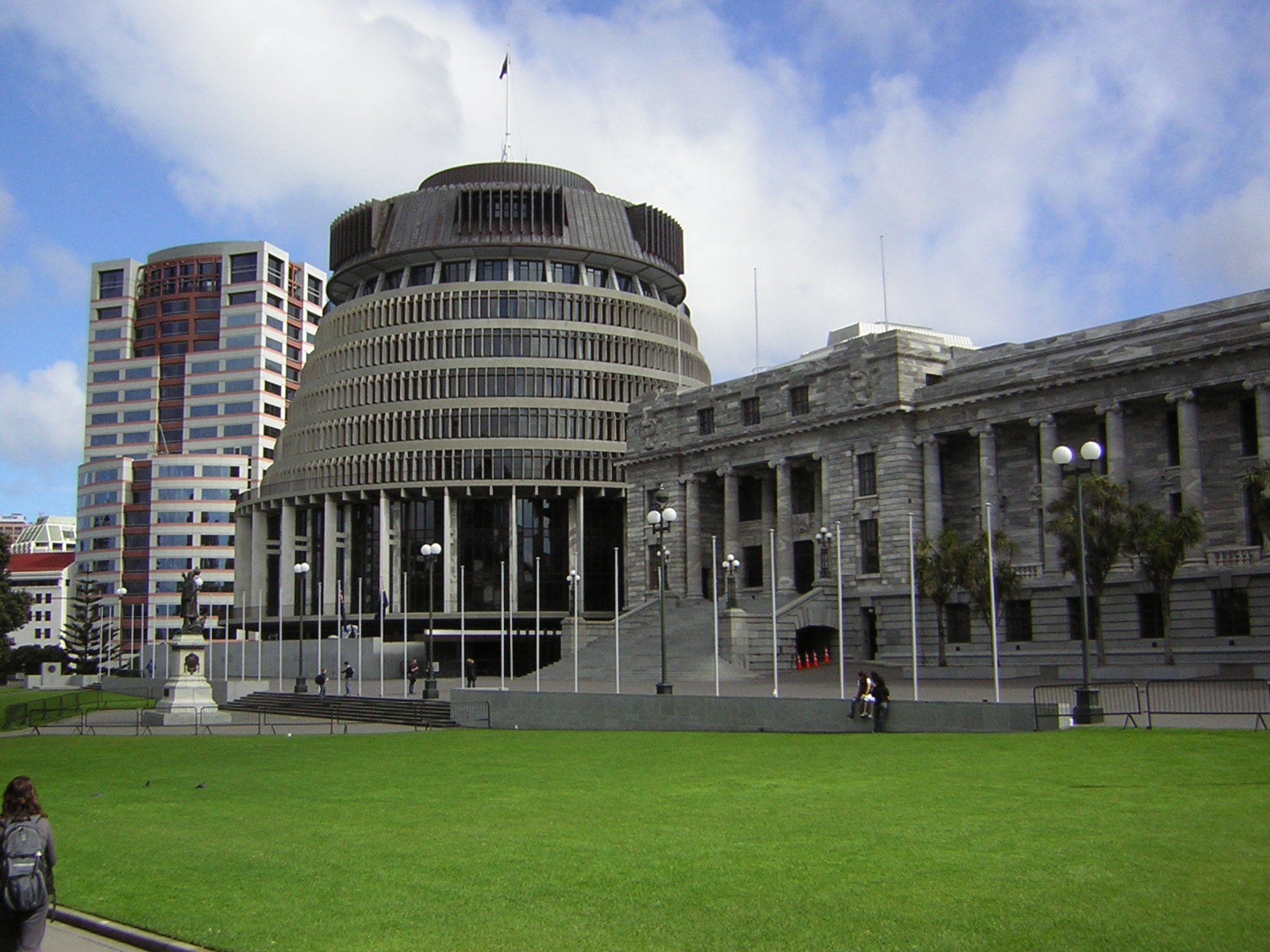
The Beehive in Wellington, the backdrop to the New Zealand 2026 election

FAQ: New Zealand 2026 election

When is New Zealand’s 2026 election?
Election day is 7 November 2026, with advance voting already open since 26 October.

Who announced the election date?
Prime Minister Christopher Luxon announced the date in January 2026, at a National Party caucus retreat in Christchurch.

Which parties does Luxon want to govern with?
Luxon has said National would work again with ACT and NZ First, while ruling out Labour, the Greens and Te Pāti Māori.

When does enrollment close for this election?
Enrollment closes 13 days before election day under current law, which falls in late October this cycle.

Will one party win a majority outright?
Unlikely. New Zealand’s mixed-member proportional system usually produces coalition governments rather than single-party majorities.

When will final results be confirmed?
Final counts typically take time after election day, since special votes and overseas ballots require additional processing before certification.

Can New Zealanders still enroll to vote?
Enrollment closed 13 days before election day under current electoral law, so late enrollment options were limited by the time advance voting opened on 26 October.

What is the mixed-member proportional system?
It is New Zealand’s voting system, which allocates parliamentary seats roughly in proportion to each party’s share of the national vote, making single-party majorities uncommon.

Britain and Brussels Just Set a Date — And Migration Is on the Table

Britain and the European Union have locked in a date for their next major summit. The UK EU summit migration agenda is already taking shape before the two sides even sit down. The summit is set for 20 November 2026 in Brussels. Migration sits alongside trade as a top priority for the UK side.

UK officials confirmed the date after reports raised Russian meddling concerns around the original Brexit referendum. That added urgency to closer coordination with Brussels. Manchester mayor Andy Burnham is a prominent voice pushing for closer UK-EU ties. He has said he intends to prioritize trade and migration at the summit, according to EUobserver’s reporting on his remarks. The UK prime minister has separately said the “status quo” with the EU is “not good enough.” That signals London wants more than symbolic cooperation out of the meeting. AJ Bell’s report on the summit date carried that same line directly from the prime minister.

What the UK EU summit migration talks could actually produce

Migration cooperation between the UK and EU since Brexit has mostly meant information-sharing and limited returns agreements. It has not meant a shared asylum system. A summit focused partly on migration could still produce something real. New commitments on returning failed asylum seekers are one possibility. Cooperation on cross-Channel smuggling networks is another. Data-sharing on criminal records could also feature. A full return to EU-wide freedom of movement is unlikely. Neither side has signaled any appetite for reopening that debate.

Trade sits alongside migration on the announced agenda. Burnham has argued that closer alignment on both fronts strengthens Britain’s hand against outside interference. That framing ties migration cooperation to broader security concerns, rather than treating it as a separate issue. It also gives the UK government cover to deepen EU ties without reopening the free-movement debate that dominated the original Brexit campaign. That debate still carries real political weight on both sides of the English Channel, which is why officials keep steering the conversation toward narrower, practical fixes instead.

Why this summit matters more than past post-Brexit meetings

Several UK-EU meetings since Brexit produced modest, technical agreements rather than major shifts. This one carries different weight. It follows direct accusations of foreign interference in the original Brexit vote. That claim has reopened UK domestic debate about the EU relationship generally. A summit billed around rebuilding trust sets a higher bar than one focused only on leftover trade disputes. Success on 20 November will mean more than a polite joint photo.

The timing also overlaps with wider European political turbulence. Tamara News has covered cost-of-living protests in France and the EU’s new power to fine AI companies this same month. Both are signs of an EU juggling multiple pressures at once, heading into a summit that is already drawing outsized attention.

What happens between now and the summit

Expect preparatory talks between UK and EU officials in the weeks leading up to 20 November. Those talks will shape the detailed text both sides actually negotiate over. Migration and trade are described as priorities, not confirmed outcomes. The specific commitments on the table could still shift considerably before the summit itself. A joint statement or communique is the most likely public output on the day. Any binding agreements will probably follow in separate technical talks afterward, rather than being signed on the spot.

Both sides have strong incentives to show some concrete result. The political attention this summit has already drawn makes a purely symbolic outcome a harder sell than usual. Officials on both sides know a vague outcome would draw immediate criticism at home.

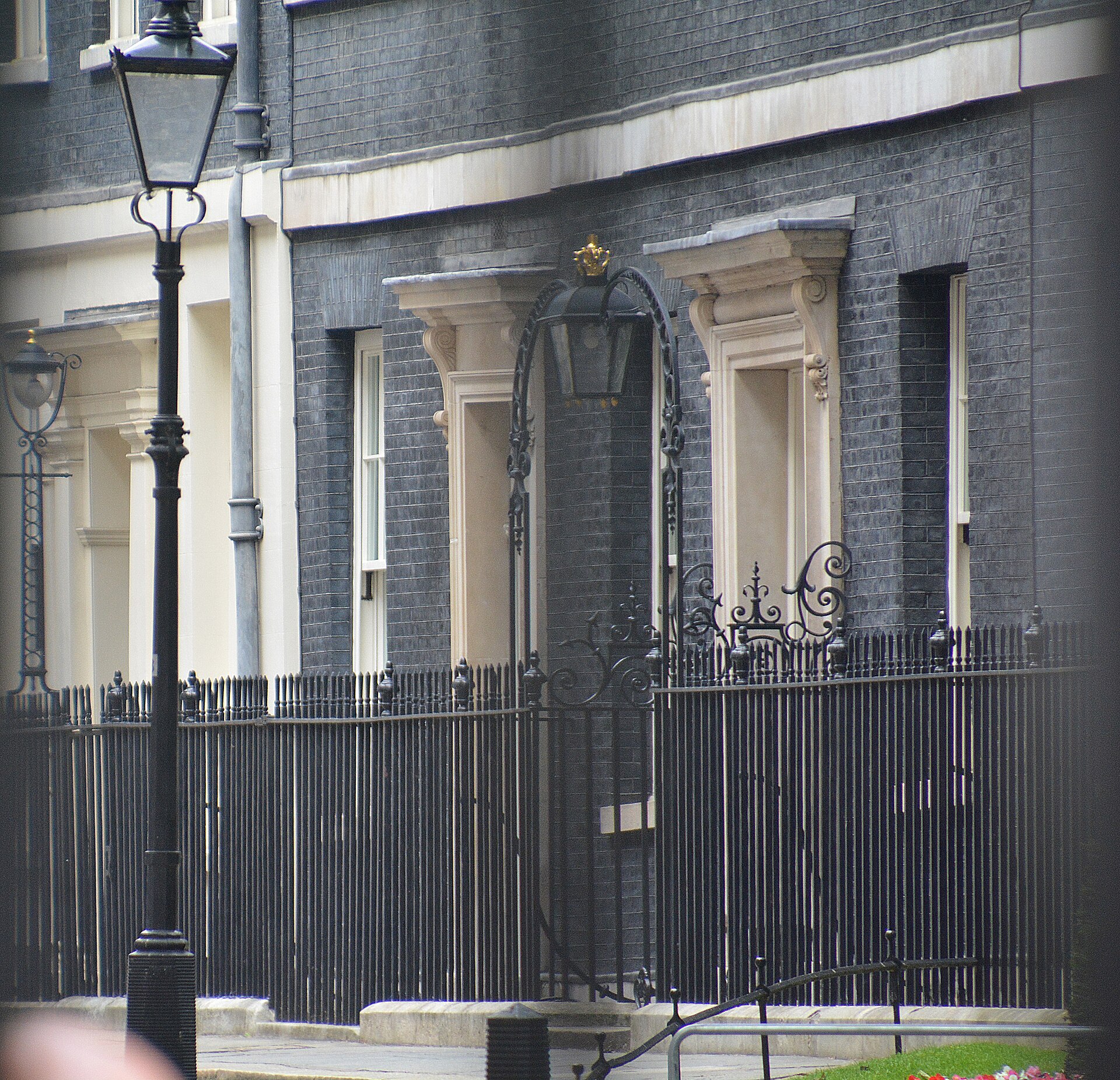
Downing Street in London before the UK EU summit migration agenda

FAQ: UK EU summit migration

When is the UK-EU summit?
The summit is scheduled for 20 November 2026 in Brussels.

Is migration the only topic on the agenda?
No. Trade sits alongside migration as a top priority, according to officials quoted in coverage of the summit’s planning.

Will the summit bring back free movement between the UK and EU?
There is no indication of that. Discussions appear focused on narrower cooperation, such as returns agreements and information-sharing, not a return to pre-Brexit freedom of movement.

Why did Russian interference claims come up around this summit?
A UK figure pushing for closer EU ties cited concerns about Russian meddling in the original Brexit referendum as part of the case for deeper cooperation now.

Who is pushing hardest for migration cooperation?
Manchester mayor Andy Burnham has publicly prioritized trade and migration ahead of the summit, according to reporting on his comments.

Will any agreements be signed on the day of the summit?
That is unclear. A joint statement is the most likely immediate output, with detailed agreements more likely to follow in later technical negotiations.

Does this summit affect UK visa rules for EU citizens?
Nothing announced so far points to new visa rules for EU citizens visiting the UK. The agenda as described focuses on cooperation measures rather than visa policy changes.

How does this summit connect to wider EU politics this month?
It lands during a period of broader EU strain, including cost-of-living protests in France and new enforcement powers under the EU’s AI Act. Brussels is managing several pressures at once heading into November.