Author: Francisca Samuel

Francisca Samuel is an editor at Tamara News, where she covers immigration, travel, business and technology news for readers across Africa and the Gulf.

6 Dead, 130 Missing: Inside the Java Sea Ferry Disaster

A ferry carrying more than 240 passengers and crew capsized in the Java Sea on September 13, 2026. It triggered one of Southeast Asia’s largest search operations in years.

The Java Sea ferry disaster began overnight. The Virgo Transport 8 lost contact with its operator while sailing from Surabaya, on Java, to Banjarmasin, on Borneo. Indonesia’s search and rescue agency, Basarnas, confirmed six deaths. It said roughly 130 people remained missing three days later.

What happened on the Virgo Transport 8

The vessel left Surabaya on Saturday evening. It was due in Banjarmasin the next day. Basarnas said the captain sent a distress call early Sunday. He reported waves up to three meters. The ship was tilting badly. Contact was lost soon after.

Rescuers had pulled 107 survivors from the water by the latest update. A joint task force searched a wide stretch of water between Java and Kalimantan. It included navy ships, maritime police boats and a helicopter.

The Java Sea ferry disaster has drawn comparisons to earlier Indonesian ferry sinkings. Officials say the final toll will not be known until the search ends.
Java Sea ferry disaster

Why the search is taking days, not hours

Indonesia is an archipelago of more than 17,000 islands. Ferries remain the main way people and cargo move between them. This route has no direct flight alternative.

Transport ministry officials are still trying to determine the cause. It could be weather, a technical fault, or human error. That finding will shape how regulators review the ship’s capacity and safety gear.

Search conditions have been difficult. Rough seas likely contributed to the sinking. Those same seas also slow small boats and divers. Debris can scatter widely overnight.

Indonesia’s record with passenger ferry safety

Ferry accidents recur across Indonesia’s inter-island network. Vessels often carry more passengers than their rated capacity. Safety inspections vary by region.

The government has pledged tighter capacity checks after past sinkings. This incident suggests enforcement gaps persist on routes linking Java to the outer islands.

How the region is responding

Neighboring provinces sent extra boats and medical teams to support the search. Indonesia’s transport ministry asked ferry operators on nearby routes to file updated passenger counts while the probe continues.

Local officials in Surabaya opened a crisis center for families still waiting on news. Indonesia has used this approach after past maritime accidents. It centralizes information and speeds identification of recovered victims.

How the Java Sea ferry disaster compares with past sinkings

Indonesia has recorded several large ferry disasters over the past two decades. Most involved overcrowded vessels caught in sudden storms on inter-island routes much like this one.

Each past incident triggered promises of tighter enforcement. Investigators will now examine whether those earlier reforms actually reached routes like Surabaya-to-Banjarmasin, or stalled after the news cycle moved on.

What happens next in the search and recovery effort

Basarnas says search teams will keep working while there is a realistic chance of finding survivors. The operation will then shift toward recovery. Families of those aboard have gathered at ports in Surabaya and Banjarmasin.

A formal transport ministry investigation is expected once the search ends. It will cover maintenance records, passenger manifest accuracy, and whether the ship carried more people than declared.

Frequently asked questions

How many people were on the ferry that sank in the Java Sea?

Indonesian officials said the Virgo Transport 8 was carrying more than 240 passengers and crew when it lost contact early on September 13, 2026.

How many people are confirmed dead or missing?

Basarnas has confirmed six deaths. Around 130 people remain missing. Rescuers have pulled 107 survivors from the water as of the latest update.

What caused the ferry to sink?

Investigators have not determined a cause yet. The captain reported waves up to three meters before the vessel began tilting. Officials say technical or human factors have not been ruled out.

Where was the ferry traveling?

The ship was sailing from Surabaya on the island of Java to Banjarmasin, a port city in South Kalimantan on the island of Borneo.

Is ferry travel common in Indonesia?

Yes. Indonesia’s more than 17,000 islands rely heavily on ferries for inter-island transport. Routes like this one often have no direct flight alternative.

Related coverage on Tamara News

Sources

This US Green Card Category Could Slam Shut in the Next Two Weeks

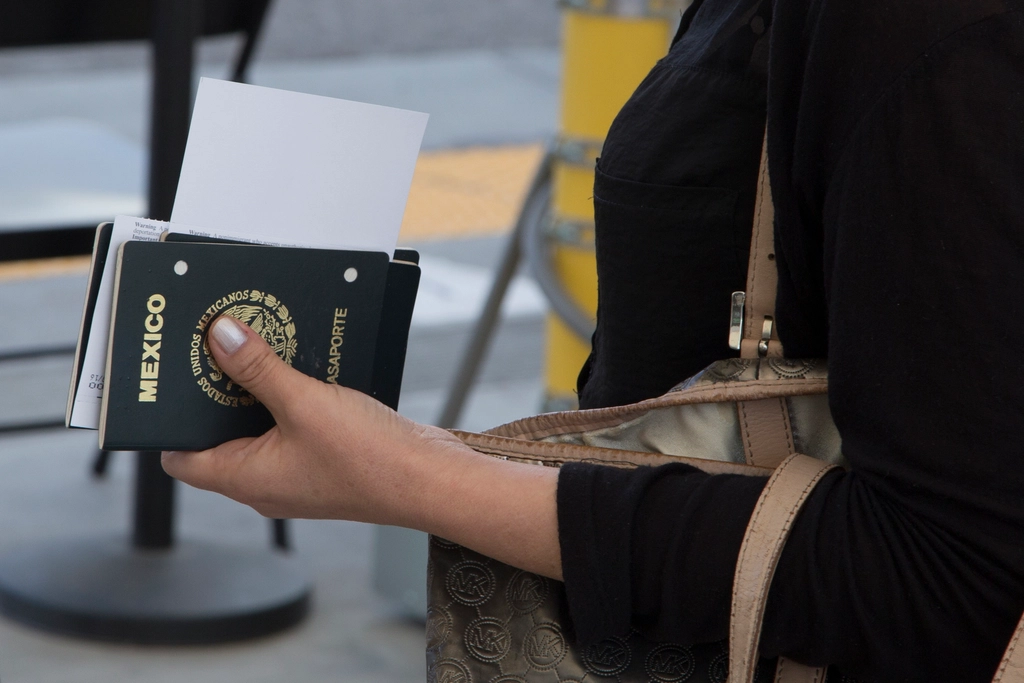
The State Department’s September 2026 Visa Bulletin warns of a possible green card category retrogression. It could hit several employment-based categories before the fiscal year closes on September 30. EB-1 India, EB-2 for all countries, and the EB-5 Unreserved category are all named. The trigger is simple. Demand keeps pace with how many visa numbers remain available.

Why a Green Card Category Retrogression Happens Every September

Congress caps the number of employment-based green cards issued each fiscal year. The State Department allocates those numbers on a rolling basis through the Visa Bulletin. A category’s usage can near its annual limit before the fiscal year ends. When that happens, the department has two options. It can retrogress the final action date, pushing it backward so fewer applicants qualify. Or it can make the category fully unavailable until the new fiscal year opens on October 1. This is an annual bottleneck, not a new policy change. It recurs whenever demand in a category runs ahead of supply late in the fiscal cycle.

Which Categories Are Actually at Risk This Year

green card category retrogression

Immigration firms including Fragomen have summarized the September bulletin’s warnings. EB-1 India’s final action date currently sits at October 15, 2022. High demand could still exhaust that category’s annual allocation before new numbers open in FY2027. EB-2 for all countries has already been marked “Unavailable” for the rest of FY2026. EB-5 Unreserved faces a similar risk. The State Department says demand and usage there could force a retrogression or closure before September 30. The goal is keeping total number use within the fiscal year’s cap.

What Retrogression Actually Means for an Applicant

If a category retrogresses or becomes unavailable, USCIS generally cannot approve new applications in it. That holds until the next fiscal year begins. It also holds even if an applicant’s priority date was previously current. Applicants who already filed shouldn’t need to refile once new numbers open on October 1. Still, they may see a real gap of days or weeks with no further approvals in that category. Fragomen’s guidance notes something reassuring here. USCIS has said it will keep honoring final action dates that were current when a case was filed. That softens some of the risk for applicants already in the pipeline.

How This Differs From the October Bulletin’s Good News

This warning about near-term retrogression tells a different story. Tamara News covered a more optimistic outlook for the October 2026 bulletin separately. That bulletin could reopen EB-2 India and advance other stalled categories once the new fiscal year begins. Both things can be true at once. A category can face retrogression risk in late September. It can still see meaningful forward movement starting October 1. The annual limits simply reset with the new fiscal year.

Why Fiscal Year-End Timing Catches People Off Guard

Applicants who checked their category’s status earlier in the summer sometimes assume it holds steady until the next bulletin. It often doesn’t. Category movement can shift week to week in September specifically. That is when USCIS and the State Department reconcile actual number use against the annual cap for the first time all year. Attorneys describe the final weeks of the fiscal year as the least predictable stretch on the entire visa calendar. That is exactly why guidance can change with little advance notice.

Who This Warning Doesn’t Affect

Family-based green card categories operate under a separate set of annual limits and aren’t named in this particular warning. Neither are most other employment-based categories outside EB-1 India, EB-2, and EB-5 Unreserved, which have their own final action dates and haven’t shown the same usage pressure this fiscal year. That’s a separate question from the public charge rule taking effect September 18, which affects admissibility rather than annual visa limits. Applicants in unaffected categories should still track the monthly bulletin as a matter of routine, but the September 30 deadline pressure described here applies specifically to the three categories named above.

What Applicants Should Do Before September 30

Immigration attorneys generally advise one thing to applicants with pending cases in EB-1 India, EB-2 or EB-5 Unreserved: confirm case status with counsel now. Waiting for a possible retrogression announcement carries real risk. USCIS processing timelines mean action taken in the final two weeks of September matters more than usual. Applicants should also watch for the October 2026 Visa Bulletin’s publication. It’s expected in the second half of September, and it will confirm whether any at-risk categories actually retrogressed or held steady.

Frequently Asked Questions

What is a green card category retrogression?
It’s when the State Department moves a visa category’s final action date backward, or makes it unavailable. This happens when usage nears the fiscal year’s annual limit.

Which green card categories are at risk before September 30, 2026?
EB-1 India, EB-2 for all countries, and EB-5 Unreserved are the categories the State Department flagged as at risk.

Will I have to refile my application if my category retrogresses?
Generally no. USCIS has said it will keep honoring final action dates that were current when a case was filed. New approvals may still pause until the next fiscal year.

Does this affect the October 2026 Visa Bulletin outlook?
No, they’re separate. A category can face retrogression risk in late September and still move forward once new fiscal year numbers open on October 1.

When does the new fiscal year’s visa allocation begin?
October 1, 2026. Fresh annual numbers become available then for every employment-based category.

Sources

  • Fragomen — United States: September 2026 Visa Bulletin analysis. fragomen.com
  • US Department of State — Visa Bulletin for September 2026. travel.state.gov

Heathrow, Gatwick and Manchester Just Told Passengers: Check Before You Leave

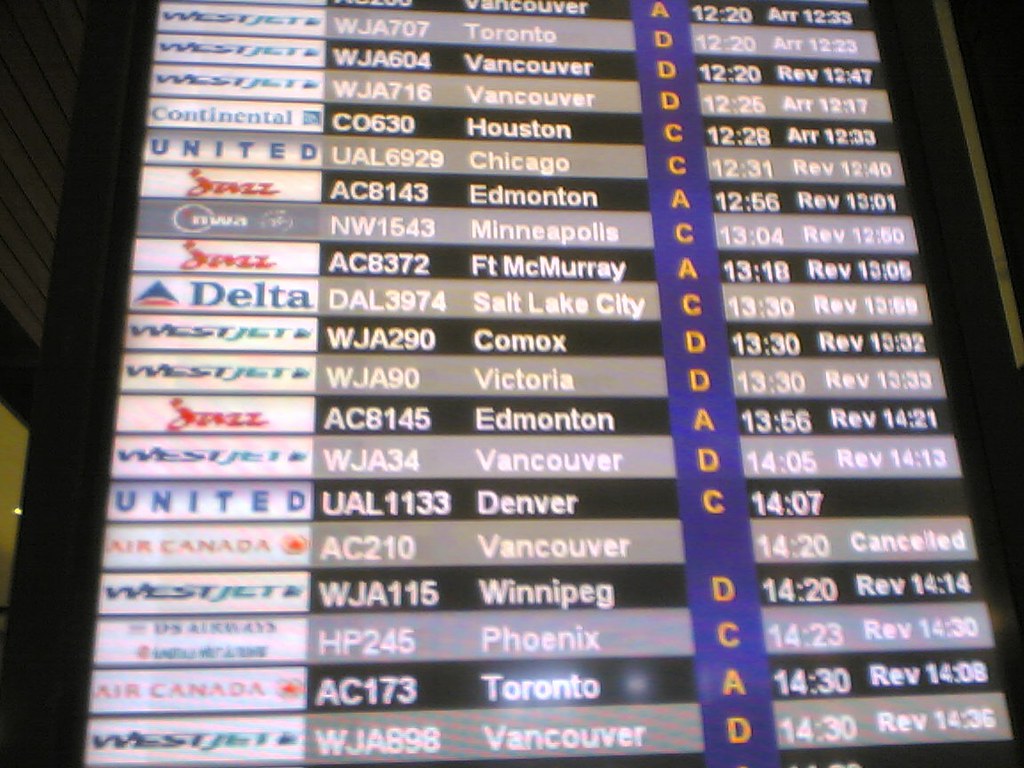
Major UK airports issued an urgent UK airport travel disruption notice on September 14, 2026. London Heathrow, Gatwick and Manchester all warned travelers to verify flight status before heading to the terminal. Operational recovery efforts continue across the country’s airspace.

What’s Behind This UK Airport Travel Disruption

The advisory covers the country’s three busiest aviation gateways at once. That scale typically points to an airspace-wide capacity or weather issue. It’s not a problem isolated to one terminal or airline. UK airports have already faced a difficult stretch this month. A runway closure at Gatwick recently triggered one of the airport’s worst evenings of the year. It delayed roughly 90% of flights, with average waits of 71 minutes. Early September also brought a wave of US-bound delays and cancellations. Labor Day travel volumes and separate weather systems both contributed.

This Follows a Rough Few Weeks for European Airports

UK airport travel disruption

UK airports aren’t operating in isolation here. Tamara News previously covered how a single bad day in Berlin rippled across a dozen European airports. That story showed how quickly one hub’s problem can cascade through connecting itineraries continent-wide. The September 14 advisory suggests UK airports are trying to get ahead of a similar cascade risk. They are warning passengers early, rather than waiting for delays to compound before communicating.

What Passengers Should Actually Do

Airlines and airports are directing travelers to check their specific flight’s status directly with the operating carrier. Do this before leaving for the airport. General advisories alone aren’t enough to plan around. UK261 passenger rights rules still apply during weather- or air-traffic-linked disruption in many circumstances. That means affected travelers may be entitled to rebooking, refunds or compensation. It depends on the cause and length of delay. Airlines can still decline compensation claims tied to extraordinary circumstances, such as severe weather.

How This Compares to Recent US Flight Disruption

The UK advisory lands just over a week after nearly 1,700 US flights were delayed in a single day. That’s part of a broader pattern of early-September disruption on both sides of the Atlantic. Aviation analysts point to a mix of causes straining major hubs this particular September: congestion, weather, and schedule limits. No single cause explains every incident. Together, that pattern makes this month look more turbulent for air travel than usual. That’s true even before counting the UK’s specific runway and airspace issues.

What Frequent Flyers Are Doing Differently This Month

Business travelers with tight connections through Heathrow or Gatwick have changed their habits this month. Many are now building in extra buffer time between flights, according to travel advisors quoted in UK coverage of the disruption. Some are shifting to earlier departure slots too. That helps them avoid the afternoon congestion windows that have produced the longest delays. Airlines have also expanded same-day rebooking options at some UK hubs. That lets affected passengers move to a later flight without paying a change fee during active disruption periods.

What Airlines Are Telling Passengers Directly

Several carriers operating out of the three hubs have pushed direct notifications to affected travelers through their apps, rather than relying on passengers to check airport-wide advisories alone. That shift reflects lessons learned from the Berlin disruption, where delayed communication left many travelers finding out about cancellations only after arriving at the terminal. Airlines say the goal this time is giving passengers enough notice to rebook or adjust plans before they leave home. Frequent-flyer forums have also filled with real-time reports from travelers at all three airports, which airlines and journalists alike have used to spot developing problems faster than official channels sometimes manage.

What to Watch as Recovery Efforts Continue

Airports have not given a firm timeline for when normal operations will resume across all three hubs. Passengers with near-term travel through Heathrow, Gatwick or Manchester should plan carefully. Treat the next 24 to 48 hours as the most likely window for continued knock-on delays. Recovery from a multi-airport disruption typically takes longer than a single bad day. Clearing connecting aircraft and crew schedules back into position simply takes time. Anyone flying long-haul into or out of the three hubs this week should build extra time into ground transport plans too, since knock-on delays tend to hit connecting rail and coach services around major airports as well. Passengers connecting through a fourth UK airport, such as Stansted or Luton, should still check status directly, since disruption at one hub can spill over onto shared airspace corridors.

Frequently Asked Questions

Which UK airports issued the disruption advisory?
Heathrow, Gatwick and Manchester all issued advisories on September 14, 2026. They warned passengers to verify flight status before traveling to the terminal.

What caused this round of UK airport travel disruption?
The advisory follows a recent Gatwick runway closure and broader operational recovery efforts. Airports haven’t attributed the September 14 notice to one specific cause.

Am I entitled to compensation if my flight is delayed?
UK261 rules can entitle passengers to rebooking, refunds or compensation. It depends on the cause and length of delay, and airlines can decline claims tied to severe weather.

Is this connected to recent US flight delays?
Not directly. But it follows a similar pattern of early-September disruption in the US, where nearly 1,700 flights were delayed in a single day.

How long will the disruption last?
Airports haven’t given a firm timeline. Multi-airport disruptions typically take longer than a single day to fully clear from connecting schedules.

Sources

  • NomadLawyer — UK Airport Disruption Advisory: Heathrow Delays, UK261 Compensation Rights. nomadlawyer.org

A Bug Rated 9.3 Out of 10 Could Let an Attacker Escape Your Virtual Machine

Broadcom patched a critical VMware Workstation Fusion flaw on September 3, 2026. It fixed an integer-overflow bug tracked as CVE-2026-59346, carrying a CVSS severity score of 9.3 out of 10. The bug could let an attacker with elevated privileges inside a virtual machine run code on the host computer itself.

How the VMware Workstation Fusion Flaw Actually Works

Security researchers call this a VM-escape vulnerability. That means malicious code can break out of the isolated virtual machine it’s running in and execute on the underlying host operating system. According to SecurityWeek’s report on the advisory, the bug is an integer-overflow issue. A specially crafted input can cause a calculation to wrap around and corrupt memory. That corruption gives an attacker code execution rights. Broadcom’s advisory, published as VMSA-2026-0007, credits the discovery to researchers who reported it through coordinated disclosure. It was not found after active exploitation.

Who Needs to Patch, and How Urgently

VMware Workstation Fusion flaw

The flaw affects VMware Workstation and Fusion versions 25H2 and 26H1. Those are the desktop virtualization products widely used by developers, IT administrators and security researchers to run guest operating systems on Mac and Windows machines. Broadcom’s fix arrived in version 26H1u1. The vulnerability requires an attacker to already have elevated privileges inside a guest VM, so it’s not remotely exploitable from the open internet on its own. That’s a modest comfort at best. Anyone who runs untrusted code, malware samples, or third-party software inside a VM often does so precisely because they assumed the host was safely isolated.

Why a 9.3 Severity Score Is Rare

CVSS reserves scores above 9.0 for flaws combining high-impact consequences with low exploit complexity. A VM-escape bug earns that rating for a simple reason. Virtualization’s entire security premise holds that whatever happens inside the VM stays inside the VM. That premise collapses completely once someone exploits the flaw. Security researchers who use VMs specifically to safely analyze malware, or test suspicious code, carry the most direct exposure here. That’s exactly the scenario the isolation boundary exists to protect against.

This Follows a Pattern of September Disclosures

The VMware patch arrived in the same week as other significant disclosures. Attackers started actively exploiting an unpatched Magento and Adobe Commerce zero-day on September 4, using it to backdoor online stores. Separately, attackers breached JetBrains’ Cadence product through an unpatched TeamCity vulnerability. Taken together, this run of disclosures reflects a busy patch cycle across enterprise software this month. It isn’t one vendor’s isolated problem — the same week saw Google patch its seventh emergency Chrome bug of the year, and Berlin’s city government confirm a ransomware breach that leaked 5.8 terabytes of files.

What Makes VM-Escape Bugs Different From Ordinary Malware Risk

Most software vulnerabilities threaten only the system they’re found on. A VM-escape flaw works differently, because it defeats a security boundary that other tools depend on. Sandboxed malware analysis, isolated test environments, and even some cloud hosting setups all lean on one assumption: a VM can’t reach its host. When that assumption fails, every control built on top of it needs a fresh check too, not just the VM software itself.

How This Compares to Past VMware Security Incidents

VMware products have faced serious vulnerabilities before, including several VM-escape bugs disclosed in prior years that prompted similar emergency patching cycles. What sets this one apart is the severity score. A 9.3 rating places CVE-2026-59346 among the more dangerous flaws Broadcom has disclosed for its desktop virtualization line specifically, as opposed to its enterprise server products, which see a higher volume of security research attention overall. Broadcom’s acquisition of VMware in 2023 also changed how these advisories get published, consolidating disclosures under the company’s broader security bulletin process rather than VMware’s older, standalone system.

What IT Teams Should Do Next

Broadcom’s guidance is straightforward. Teams should upgrade affected Workstation and Fusion installations to version 26H1u1 as soon as operationally possible. Prioritize machines that run untrusted or unverified code first. Organizations that rely on VM isolation as a security control for malware analysis or sandboxed testing should treat this patch as time-sensitive. It is not routine maintenance, given how directly the flaw undermines that isolation assumption. Security teams that maintain a patch-management dashboard should flag this advisory for cross-checking against every desktop image still running the older builds, not just servers. IT administrators managing shared lab machines, where multiple researchers rotate through the same physical hardware, face the highest practical exposure and should treat this update as a same-week priority rather than folding it into a routine monthly patch cycle.

Frequently Asked Questions

What is CVE-2026-59346?
It’s a critical integer-overflow vulnerability in VMware Workstation and Fusion that can let an attacker escape a virtual machine and run code on the host computer.

How severe is this VMware Workstation Fusion flaw?
It carries a CVSS score of 9.3 out of 10, reflecting both high potential impact and relatively low exploitation complexity once an attacker has elevated access inside a VM.

Which product versions does this flaw affect?
It affects VMware Workstation and Fusion versions 25H2 and 26H1. Broadcom’s fix arrives in version 26H1u1.

Is this exploitable remotely over the internet?
Not directly. An attacker needs elevated privileges inside a guest virtual machine first. That’s still a realistic scenario for anyone running untrusted code in a VM.

Did anyone exploit this flaw before the patch came out?
Available reporting indicates researchers disclosed it through a coordinated process, not after active exploitation. Even so, organizations should patch promptly.

Sources

  • SecurityWeek — VMware Workstation and Fusion Updates Patch Critical Vulnerability. securityweek.com
  • Security Affairs — Broadcom Patches Critical VMware Workstation and Fusion VM-Escape Vulnerabilities. securityaffairs.com

Apple Just Answered the Foldable Rumors. The Bigger Change Was Inside Siri

Apple Siri Google Gemini integration became official at Apple’s September 9 event. The company confirmed it is rebuilding Siri on Google’s Gemini models. It also unveiled its first foldable iPhone. Those were the two headline moves in what Apple called its biggest device wave in years. It was also the first keynote led by new device chief John Ternus.

What the Apple Siri Google Gemini Deal Actually Covers

Apple struck a deal with Google to license Gemini models. Those models now power upgraded Apple Intelligence features and a rebuilt Siri. Building an equivalent large language model entirely in-house, on Apple’s needed timeline, wasn’t realistic. Reporting on the partnership says the arrangement lets Apple ship more capable, conversational Siri features sooner than an internal model would have allowed. Google, in turn, gains a high-profile distribution deal across hundreds of millions of iPhones. Neither company has published the full financial terms of the agreement.

Our Preview Called the Foldable Rumor Right

Apple Siri Google Gemini

Tamara News previewed this event on September 8. At that point, the foldable iPhone was still an unconfirmed rumor riding on Ternus’s first keynote as device chief. At the event itself, Apple confirmed the device. It positioned the foldable as the centerpiece of a broader hardware refresh, not a niche add-on to the standard iPhone lineup. Foldable phones have belonged to Samsung and Huawei for years. Apple’s entry is likely to intensify competition on pricing and on software built specifically for folding displays.

Why Apple Chose Partnership Over Building Its Own Model

Apple’s AI efforts drew criticism over the past two years for lagging competitors on generative features, particularly conversational assistants. Partnering with Google for Gemini is a pragmatic call. Catching up on foundation-model quality alone would have taken longer than Apple’s product cycle allowed. The move also mirrors a broader 2026 pattern: large tech companies choosing high-profile AI partnerships and acquisitions, including Nvidia’s own multibillion-dollar deals, over purely organic development.

What This Means for the Wider AI Assistant Race

A Gemini-powered Siri puts Google’s models at the center of the world’s most widely used smartphone assistant. That distribution win could matter more than any single Google-branded product. For competitors, it raises a hard question. Can Amazon’s Alexa and Microsoft’s Copilot match a partnership of this scale, or will they need similar arrangements of their own? Apple, meanwhile, keeps its hardware and interface advantages while outsourcing the model layer underneath. Other device makers are likely to study that split closely.

What Reviewers Will Test First

Early hands-on coverage typically focuses on two things with a device like this: hinge durability and how visible the fold line is on screen. Expect reviewers to bend the new iPhone repeatedly, check for screen creasing under different lighting, and compare battery life against Apple’s standard, non-folding models. On the software side, testers will likely push Siri with multi-step requests to see how the Gemini-powered version handles follow-up questions compared with the old, more scripted Siri.

How This Fits Apple’s Broader AI Strategy

Apple spent the past two years insisting its AI approach would prioritize privacy and on-device processing over cloud-dependent models. The Gemini partnership complicates that message somewhat, since it relies on a third party’s cloud-based models for Siri’s most advanced features. Apple says the partnership follows its existing privacy commitments for handling user data. The company has not published full technical detail on how requests get routed, or what Google can see on its end.

How Competitors Are Likely to Respond

Samsung and Google’s own Pixel team already ship generative AI assistants built on in-house or closely integrated models, giving them a head start on tight software-hardware coordination that Apple’s outsourced approach doesn’t offer in the same way. Amazon, meanwhile, has invested heavily in a next-generation Alexa overhaul of its own. Analysts expect at least one competitor to announce a comparable large-model partnership within the next two quarters, simply to avoid ceding ground on assistant quality.

What to Watch as the Rollout Continues

Apple has not detailed a full rollout timeline for every Gemini-powered feature. Foldable iPhone reviews and durability testing will shape early public reaction once the device reaches reviewers. This week’s Apple earnings call, part of a broader stretch of major tech reporting, is the next concrete moment. Apple is expected to use that call to address how the launch affects sales in the current quarter.

Frequently Asked Questions

Is Siri now powered by Google Gemini?
Apple confirmed at its September 9 event that it is rebuilding Siri using Google’s Gemini models, under a licensing partnership between the two companies.

Did Apple actually release a foldable iPhone?
Yes. Apple confirmed its first foldable iPhone at the same event. That ended months of speculation built around new device chief John Ternus’s debut keynote.

Why didn’t Apple build its own AI model for Siri?
Apple’s in-house AI efforts had lagged competitors on conversational features. Partnering with Google let it ship more capable Siri features on a faster timeline.

What are the financial terms of the Apple-Google deal?
Neither company has published the full financial details of the Gemini licensing arrangement.

What happens next for Apple after this announcement?
Apple reports quarterly earnings this week. Analysts expect that to be the first chance for the company to address how the launch affects current-quarter sales.

Sources

  • CNBC — Apple picks Google’s Gemini to run AI-powered Siri. cnbc.com
  • Forbes — Apple Event Kicks Off 2026-2027 Tech Season. forbes.com