A 76 KMPH Squall Turned Delhi’s Biggest Airport Into a Wading Pool

A sudden squall with wind speeds around 76 kmph combined with heavy monsoon rain to cripple operations at Indira Gandhi International Airport on September 4, 2026. The storm triggered over 400 flight disruptions. The Delhi airport flight delays forced between 9 and 11 flights to divert within a single hour, to alternate hubs including Jaipur, Lucknow, Ahmedabad, and Chandigarh, according to The Traveler.

Intense afternoon rainfall turned forecourts and access areas at IGI Airport into standing water. Passengers waded through pooled water to reach departure and arrival zones. IndiGo and Air India both issued travel advisories in the days after the squall. They warned that continued bad weather in the capital could cause further delays and slower ground transit to the airport.

What caused the Delhi airport flight delays

The squall’s winds severely reduced visibility and compromised runway and taxiway surface conditions. Those conditions typically force air traffic controllers to slow arrival and departure rates well below normal capacity. Waterlogged highways leading to the airport compounded the disruption. They delayed ground transport for both passengers and airport staff, an effect separate from flight operations but still part of the overall chaos.

Delhi’s monsoon season regularly floods IGI Airport. But the September 4 event stood out for its speed of onset and the concentration of diversions within a single hour. Airport operations staff called that pattern unusually rapid, even by monsoon-season standards.

IGI Airport is India’s busiest hub. It handles international and domestic traffic that connects onward to dozens of cities. A disruption concentrated in one afternoon still ripples through connecting itineraries for days. Aircraft and crew scheduling for the next day’s flights often depends on where planes ended up after diversions. Passengers with tight connections through Delhi were among the hardest hit. A diversion to Jaipur or Chandigarh could add hours to a journey with no built-in buffer.

Where the diverted flights went
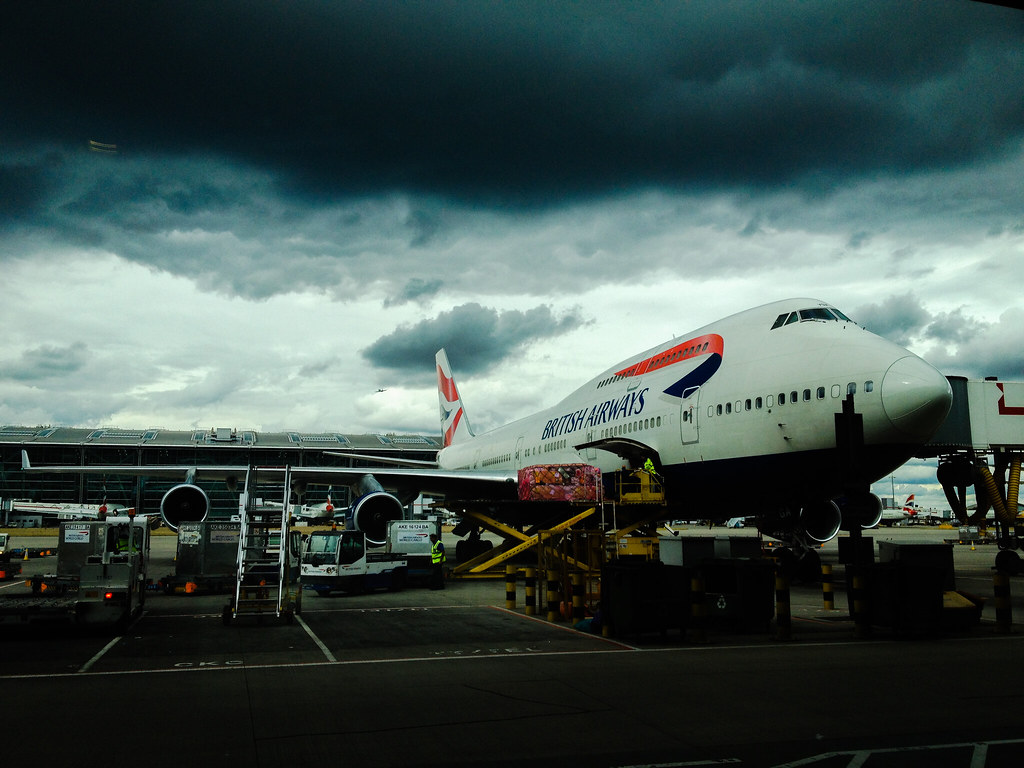
Airplane on a storm-hit tarmac during the Delhi airport flight delays

Aircraft unable to land at IGI Airport were redirected to Jaipur, Lucknow, Ahmedabad, and Chandigarh. That spread the disruption’s operational impact across four additional airports that had to absorb unscheduled arrivals. Airlines then faced a second task: repositioning aircraft and crew back to normal schedules once conditions at Delhi improved. That process typically takes longer than the storm itself.

Airlines respond with advisories, not cancellations

IndiGo issued a formal travel advisory for passengers flying through Delhi on September 5. It warned of possible delays and slower journeys to the airport, rather than announcing blanket cancellations. Air India followed with similar guidance. Both carriers focused on managing passenger expectations around timing, not halting Delhi operations outright. That reflects how often monsoon disruptions hit the airport during this season.

What happens next for Delhi’s aviation season

India’s monsoon season typically runs into late September. Further weather-driven disruptions at IGI Airport remain likely in the coming weeks. Airlines have not announced infrastructure changes in direct response to the September 4 event. Airport authorities have not detailed specific drainage improvements either, so passengers still depend on real-time advisories from carriers for now.

Delhi is not the only Indian hub affected by monsoon weather this season, though the September 4 squall was among the most severe single-day events reported at IGI Airport this year. Ground staff and air traffic controllers coordinated the diversions in real time as conditions shifted through the afternoon, a process that airlines say worked as designed even though passengers experienced it as chaos. Travelers flying through Delhi during the remaining monsoon weeks are advised to check flight status directly with their airline rather than relying solely on airport display boards, since weather-driven changes can happen faster than terminal signage updates.

Airport infrastructure investment has been a recurring topic in Indian aviation circles as passenger numbers keep climbing year over year. Critics argue drainage and stormwater systems have not kept pace with the airport’s growth, while officials point to the scale of India’s monsoon rainfall as a challenge no single infrastructure upgrade can fully solve. Neither side disputes that September 4 exposed real weaknesses in how quickly the airport can absorb a fast-moving squall.

For travelers, the practical lesson from this event is straightforward: monsoon-season bookings through Delhi carry real schedule risk, particularly for tight connections. Building extra buffer time into itineraries during August and September, when squalls like the September 4 event are most likely, can prevent a short weather delay from turning into a missed onward flight. Airlines’ advisories this season have consistently pointed travelers toward that same basic precaution.

Frequently asked questions

What caused the Delhi airport flight delays on September 4?
A sudden squall with wind speeds around 76 kmph combined with heavy monsoon rain, reducing visibility and flooding airport access areas.

How many flights were affected?
Over 400 flight disruptions were reported, with between 9 and 11 flights diverted within a single hour.

Where were diverted flights sent?
Jaipur, Lucknow, Ahmedabad, and Chandigarh airports received diverted aircraft.

Did airlines cancel flights or just delay them?
IndiGo and Air India issued travel advisories warning of delays and slower ground transit rather than announcing widespread cancellations.

Is more disruption expected at Delhi’s airport?
Yes. India’s monsoon season typically runs into late September, and further weather-driven delays at IGI Airport are considered likely.

Related coverage

Sources

  • The Traveler — Delhi IGI chaos as heavy rain delays 400+ flights, diverts dozens. thetraveler.org
  • The Traveler — IndiGo warns of delays as heavy rain disrupts Delhi flights. thetraveler.org
A Federal Judge Could Still Stop This Student Visa Rule Before It Hits Sept 15

A coalition led by NAFSA: Association of International Educators filed a federal lawsuit on August 18, 2026. It seeks to block the Department of Homeland Security’s rule ending Duration of Status for international students. A hearing was held September 3 in Boston. The student visa rule lawsuit argues DHS violated the Administrative Procedure Act. It says DHS failed to properly assess the rule’s costs, respond to public comments, or consider less burdensome alternatives, according to the Presidents’ Alliance on Higher Education and Immigration.

The underlying rule was published July 17, 2026 and is set to take effect September 15. It would end the decades-old system letting F-1 students and J-1 exchange visitors remain in status for the length of their academic program. Instead, it caps their stay at their program’s end date or four years, whichever is shorter, plus a 30-day grace period. That is down from 60 days under the prior rule.

What the student visa rule lawsuit is asking a judge to do

The coalition includes the Presidents’ Alliance alongside other associations and labor unions. It filed a motion for a preliminary injunction alongside the complaint, asking the court to block the rule before its September 15 effective date. US District Judge F. Dennis Saylor IV set an August 31 deadline for the government to respond. He held a hearing on September 3 at the Moakley United States Courthouse in Boston, according to ClinchLaw Immigration News.

As of this writing, the court has not ruled on the injunction request. The September 15 effective date for the rule still officially stands. If the judge grants the injunction, the rule’s implementation would pause while the broader legal challenge proceeds, potentially for months.

The plaintiffs are not limited to a single university or student group. The coalition brings together higher-education associations and labor unions whose members range from research universities to community colleges. That shows how broadly the rule change would reach across US higher education. F-1 and J-1 status touches degree-seeking students, exchange visitors, researchers, and their dependents alike. All would face the same fixed-date tracking requirement under the new rule, replacing the flexible program-length system in place now.

Why students and universities are watching closely

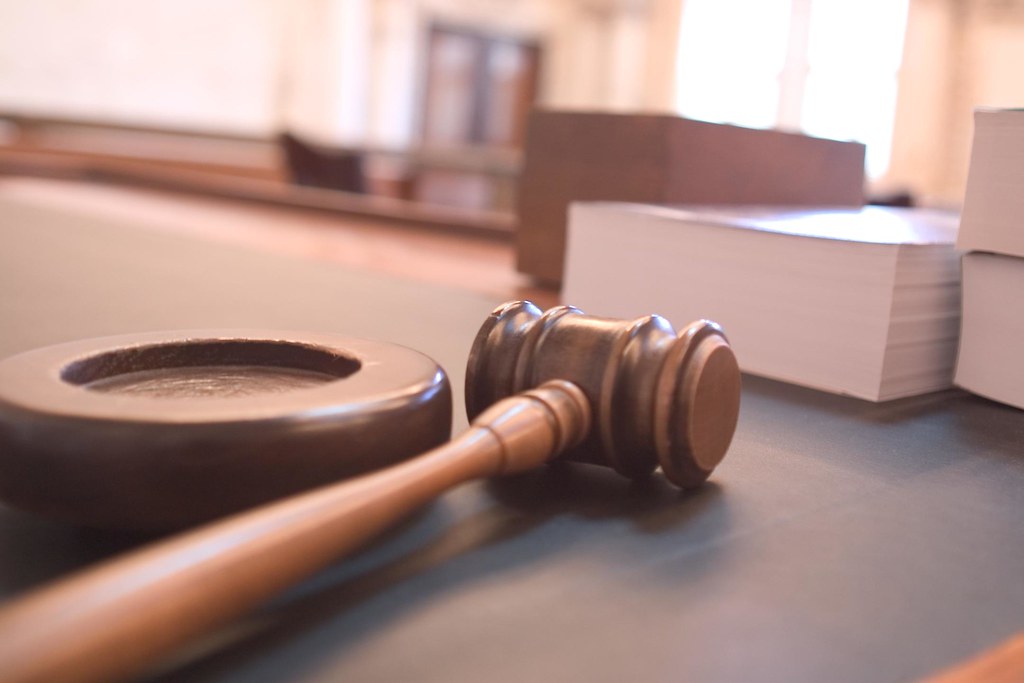
United States federal courthouse where the student visa rule lawsuit was heard

Ending Duration of Status would mark the most significant change to student visa rules in roughly 50 years. Immigration attorneys tracking the litigation say so. Universities have advised international students to review their program end dates and consult designated school officials. A hard four-year cap, combined with a shortened 30-day grace period, leaves far less room for delays or extensions. Transitions to other visa categories also get harder than under the current system.

The lawsuit does not dispute the government’s authority to set immigration policy broadly. It argues specifically that DHS cut corners in the rulemaking process. That is a procedural argument. If it succeeds, the rule would go back for more thorough rulemaking rather than face a permanent bar on any change to Duration of Status.

What happens if the rule proceeds anyway

If no injunction comes before September 15, the rule takes effect as written. F-1 and J-1 holders would then need to track a fixed departure date rather than rely on program length alone. Extensions beyond the four-year cap would require a separate application. Students already in the US when the rule takes effect should fall under transition guidance DHS published alongside the rule. University international offices still have active questions about that guidance’s exact scope.

Large research universities often host thousands of F-1 and J-1 holders at once, giving them more staff capacity to walk students through the practical changes. Smaller colleges with fewer dedicated immigration specialists face a harder task communicating the same information. The uncertainty created by the pending litigation, layered on top of the rule itself, has made planning for the fall term unusually difficult for international offices of every size.

Frequently asked questions

What is the Duration of Status rule change?
A DHS rule set to take effect September 15, 2026. It ends open-ended Duration of Status for F-1 and J-1 visa holders. Instead, it caps their stay at their program length or four years, whichever is shorter, plus a 30-day grace period.

Who filed the lawsuit against it?
A coalition led by NAFSA: Association of International Educators and the Presidents’ Alliance on Higher Education and Immigration filed the complaint on August 18, 2026. Other associations and labor unions joined them.

What does the lawsuit argue?
That DHS violated the Administrative Procedure Act. It says DHS failed to adequately assess the rule’s costs and benefits, respond to public comments, or consider less burdensome alternatives.

Has a judge ruled on blocking the rule?
Not yet as of early September 2026. A hearing was held September 3 in Boston, but the September 15 effective date still officially stands.

How does the grace period change?
The rule shortens the grace period for F-1 students from 60 days to 30 days. That window covers the time to depart, extend, or change status after a program ends or the four-year cap is reached.

Related coverage

Sources

  • Presidents’ Alliance on Higher Education and Immigration — Coalition Files Federal Lawsuit Challenging Rule Ending Duration of Status. presidentsalliance.org
  • ClinchLaw Immigration News — Duration of Status Lawsuit Reaches Critical Juncture. news.clinchlaw.com

Berlin Said No to the Hackers — Then 5.8 Terabytes of Its Files Hit the Dark Web

Hackers published roughly 5.8 terabytes of data stolen from Berlin’s state government on August 28, 2026. City officials had refused to pay a ransom demand that expired that day. The Berlin ransomware city attack exposed more than 5,000 personnel files and payslips. It also exposed fine proceedings, confidential parliamentary committee documents, and vulnerability analyses of Berlin’s drinking water supply, according to Help Net Security.

The Rhysida ransomware group claimed responsibility for the attack. It is believed to operate out of Russia and eastern Europe. The group had demanded 30 bitcoin, worth roughly €2 million ($2.3 million), according to The Hacker News. The same group previously hit the British Museum.

Rhysida follows a clear pattern across its attacks. It breaches a target’s network first. Then it pulls out as much data as it can before detection, and threatens public release on a deadline to force payment. The tactic works because it shifts the cost for victims. A private ransom negotiation becomes a public data-exposure event, carrying reputational and legal consequences well beyond the ransom itself. Berlin’s refusal echoes a stance other European public-sector victims have taken this year. Government bodies increasingly treat paying ransoms as rewarding the tactic rather than resolving it.

How the Berlin ransomware city attack unfolded

The initial data leak happened between August 7 and 12. Affected Berlin departments were not disconnected from the state network until August 14. That gap, roughly seven days, gave the attackers extended access to internal systems. Some of the city’s online services shut down as a direct result, disrupting routine government functions while the network was isolated.

Berlin’s state executive said, as a matter of principle, it would not give in to extortion. It held that position through the deadline. When the deadline passed without payment, Rhysida released the stolen files publicly instead of continuing to hold them privately. That is a common escalation tactic once ransomware negotiations fail.

What was actually exposed

Berlin government building affected by the Berlin ransomware city attack

The released package included about 1.44 million files. Beyond personnel records and payslips, the leak reportedly held confidential parliamentary committee documents. It also held technical vulnerability analyses of the city’s drinking-water infrastructure. That raises concerns beyond privacy, reaching into potential physical infrastructure risk. City officials have not detailed how many residents or employees the personnel-file exposure affects.

Why the seven-day delay matters

Security researchers flag the week-long gap between the initial breach and full network isolation as a critical failure point. It gave Rhysida extra time to locate and extract sensitive files before Berlin cut off access. Ransomware response plans generally call for near-immediate isolation once a breach is detected. The delay will likely be a focus of any post-incident review.

What happens next for Berlin

Berlin’s government has not announced a timeline for restoring all affected online services. It also has not said when it will notify individuals whose personnel data appeared in the leak. Cybersecurity researchers continue analyzing the released files to map the full scope of exposure. That includes checking whether the drinking-water vulnerability data poses an ongoing risk needing separate remediation.

The incident lands amid a broader pattern of ransomware attacks on European public-sector targets this year. City and regional governments prove attractive because they often run older IT systems alongside genuinely sensitive records. Berlin’s stance against paying mirrors guidance from several national cybersecurity agencies across Europe. Those agencies generally discourage ransom payments, arguing they fund further attacks without guaranteeing stolen data is actually deleted. Employees whose personnel files appeared in the leak have limited recourse beyond monitoring for identity theft. The files are already public on the dark web and cannot be recalled.

Berlin’s experience is likely to influence how other German states approach network segmentation going forward. Security consultants typically recommend isolating a breached department immediately, not after a week’s delay. Whether Berlin implements that change before facing another attempt remains an open question the city has not yet addressed publicly.

The 5.8 terabyte figure places this among the larger public-sector leaks reported in Europe this year. Full comparisons are difficult, since not every victim discloses how much was taken. Journalists and researchers with leak-monitoring tools have begun cataloguing the exposed files. That process typically takes weeks, given the sheer volume involved. Standard practice after a leak like this is to watch for phishing attempts referencing personal details only a leaked file would contain. Stolen data is frequently reused in follow-on scams.

Frequently asked questions

What happened in the Berlin ransomware attack?
Hackers linked to the Rhysida group breached Berlin’s state government network in early August 2026 and stole data. They published about 5.8 terabytes of it after the city refused to pay a ransom.

How much ransom did the hackers demand?
Roughly 30 bitcoin, worth about €2 million ($2.3 million).

What data was exposed?
About 1.44 million files. That includes over 5,000 personnel files and payslips, plus fine proceedings, confidential parliamentary documents, and vulnerability analyses of Berlin’s drinking water supply.

Who is behind the attack?
The Rhysida ransomware group, believed to operate from Russia and eastern Europe, claimed responsibility. The group was previously linked to an attack on the British Museum.

Did Berlin pay the ransom?
No. City officials said as a matter of principle they would not pay, and the hackers released the stolen data after the deadline passed.

Related coverage

Sources

  • Help Net Security — Berlin refuses to be blackmailed after network breach. helpnetsecurity.com
  • The Hacker News — Berlin Refuses to Pay Hackers Who Stole Data From the City’s State Network. thehackernews.com

Apple’s New Boss Gets One Shot to Prove the Foldable Rumors Were Worth the Wait

Apple holds its “Surprise and Shine” event on September 9, 2026 at 10am Pacific. It is the first product launch under new CEO John Ternus, who succeeded Tim Cook on September 1. The Apple September iPhone event is widely expected to include Apple’s first foldable device alongside iPhone 18 Pro updates, according to Bloomberg.

The event streams from Apple’s website, through the Apple TV app, or on YouTube. Rumors also point to new Apple Watch models and a redesigned AirPods lineup. A preview of a 7-inch smart home hub with a full display may also appear, according to reporting compiled by CNBC.

Why the Apple September iPhone event matters beyond the hardware

This is Ternus’s first public moment leading Apple’s product strategy. Investors and analysts will watch his presentation style as much as the devices themselves. Ternus previously led Apple’s hardware engineering division, which gives him deep technical credibility. But stepping into the keynote role that Cook, and before him Steve Jobs, held for decades is a different kind of test.

The company is positioning 2026 and 2027 as the start of its biggest run of device releases in its history, according to reporting from MacDailyNews. That framing casts the foldable iPhone as the opening move in a multi-year hardware push, not a one-off launch.

Ternus spent years running Apple’s hardware engineering division before moving into the CEO role. He oversaw the physical design and engineering of the iPhone, Mac, and iPad lines. That background gives him direct credibility on the decisions behind a first-generation foldable device, in a way a finance-focused executive might lack. It also raises the stakes. Early competitors struggled with hinge and durability problems on their folding phones. If Apple’s foldable ships with the same flaws, the criticism lands on the executive who spent over a decade solving exactly those engineering problems.

What’s expected to launch on September 9

Smartphone product launch setting related to the Apple September iPhone event

Analysts expect three new iPhone models. That includes the rumored foldable device and updated iPhone 18 Pro variants, plus two new Apple Watch models. Reporting also points to a redesigned Apple TV box and HomePod mini hardware alongside the smart home hub preview. Apple has not officially confirmed any of these products. The company’s own invitations have not detailed specific products, consistent with its usual pre-launch practice.

The foldable iPhone question

Apple resisted the foldable phone category for years while competitors shipped multiple generations of folding devices. A first-generation Apple foldable arrives well after rivals worked through early design problems like screen creasing and hinge durability. That timing could let Apple learn from competitors’ mistakes. Whether that translates into a device that justifies its expected premium price is the open question analysts are watching for on September 9.

What happens after the keynote

When new iPhone models are announced, Apple has historically opened pre-orders within days. Shipping usually begins within two weeks of the keynote. Analysts will watch initial demand signals, especially for any foldable device. That gives an early read on whether Ternus’s first major product bet pays off. Apple’s fiscal Q4 earnings call, typically held in late October, will offer the first hard sales data tied to the launch.

Apple has not commented publicly on any of the rumored products ahead of the keynote. That silence is consistent with its long-standing practice of staying quiet until the stage presentation itself. It leaves outlets like Bloomberg, CNBC, and MacRumors to piece together expectations from supplier relationships and past product cycles, rather than official confirmation. The gap between rumor and confirmation is part of why September 9 matters. It is the first moment analysts, investors, and competitors get a verified account of what Ternus’s Apple actually built, rather than an assembled forecast.

Competitors will also be watching closely. Samsung and other foldable-phone makers have had the category largely to themselves for several product generations, and Apple’s entry could reshape how the broader smartphone market prices and markets folding devices. A strong Apple debut could validate the category for consumers who have been skeptical of folding phones, while a lukewarm reception could reinforce the view that folding screens remain a niche feature rather than the smartphone industry’s next major shift.

Frequently asked questions

When is Apple’s September 2026 event?
September 9, 2026, at 10am Pacific Time (1pm Eastern), streamed on Apple’s website, the Apple TV app, and YouTube.

Is this John Ternus’s first Apple keynote?
Yes. Ternus became Apple’s CEO on September 1, 2026, succeeding Tim Cook, and this event is his first major product launch in the role.

Will Apple launch a foldable iPhone?
It’s widely rumored but not officially confirmed. Reports point to Apple’s first foldable device debuting alongside iPhone 18 Pro updates.

What else might Apple announce?
Rumors point to new Apple Watch models, redesigned AirPods, and a new Apple TV box. A HomePod mini refresh and a preview of a smart home hub with a full display may also appear.

When would new iPhones ship?
Based on Apple’s past pattern, pre-orders typically open within days of the keynote and shipping begins within about two weeks.

Related coverage

Sources

  • Bloomberg — What to Expect at Sept. 9 Apple Event. bloomberg.com
  • CNBC — Apple sets iPhone launch event for Sept. 9, first under new CEO John Ternus. cnbc.com
  • MacDailyNews — Apple’s Ternus era begins September 9th. macdailynews.com

One Cyberattack, 14 Lawsuits: Inside the Insurer That Credit Unions Are Now Suing

TruStage Financial Group now faces at least 14 lawsuits after a cyberattack it disclosed on July 15, 2026. The Madison, Wisconsin insurer sells life and auto coverage through credit unions nationwide. The TruStage outage lawsuits include one filed by a credit union and roughly a dozen more brought by individual policyholders. Most seek class-action status, according to American Banker.

Bessemer System Federal Credit Union in Greenville, Pennsylvania filed the first suit on July 17. It alleges TruStage failed to implement adequate, industry-standard cybersecurity safeguards. The credit union says that failure led directly to the outage and its own financial losses. TruStage shut down its own network to contain the attack. The company still has not determined whether member or employee data was exposed, per CU Today.

What the TruStage outage lawsuits allege

Federal court records reviewed by American Banker show at least 13 of the lawsuits landed in the Western District of Wisconsin, where TruStage is headquartered. The suits generally argue the company failed to protect systems and data to industry standards. They say the resulting outage disrupted payment processing and account access for weeks. Bessemer’s complaint focuses on recovering costs the outage imposed on the credit union’s own operations, not data-exposure damages.

Individual policyholder suits instead center on the risk that personal data was compromised. TruStage has not confirmed a breach of member information. That distinction matters procedurally. Courts often require plaintiffs to show concrete harm, not just risk, before a data-breach class action can proceed.

TruStage is not a small niche vendor. It supplies life insurance, auto coverage, retirement products, and payment protection to a large network of credit unions nationwide. Its outage did not stay contained to one institution’s members. Credit unions that bundle TruStage products directly into member accounts had little room to route around the failure. Their insurance and payment-protection functions were not duplicated anywhere else in their own systems. Plaintiffs’ attorneys point to that structural dependency when arguing the company should have invested more in redundancy and security before the attack.

Weeks of missed payments and frozen funds

Credit union office affected by the TruStage outage lawsuits following the July cyberattack

The outage’s practical impact extended well beyond TruStage’s own systems. CU Today reported that missed payments and frozen funds persisted six weeks after the attack. That affected credit unions relying on TruStage for payment protection and insurance products bundled into member accounts. TruStage has since said its recovery is “gaining ground” but that it has “not reached the finish line.” That is an unusually candid public update for a company facing active litigation.

Why one vendor’s outage hits so many credit unions

TruStage’s business model concentrates risk. It supplies insurance and payment-protection products to a large network of credit unions, rather than operating as one institution’s internal system. When its network went down, the disruption cascaded to every credit union relying on those products. That is part of why the lawsuit count climbed so quickly. Credit unions, unlike large banks, often lack the in-house resources to quickly substitute a failed vendor’s function.

What happens next in the TruStage litigation

The Western District of Wisconsin cases will likely be consolidated for pretrial proceedings, given their overlapping claims. That is a common step in multi-plaintiff data-incident litigation. TruStage has not indicated a settlement timeline. It still has not confirmed whether member data was exposed, a determination that could significantly affect the individual plaintiffs’ claims once resolved.

Insurers generally face separate state reporting obligations once they confirm a cybersecurity incident, obligations that run independent of civil litigation. Those requirements could add regulatory scrutiny on top of whatever the lawsuits eventually produce, though TruStage has not said whether any state insurance regulator has opened a formal inquiry. For now, the credit unions caught in the middle are left absorbing member complaints about an outage they did not cause and cannot fix on their own, since the failure sits inside a shared vendor’s systems rather than their own.

The incident is likely to become a reference point for credit unions evaluating their own vendor risk. Smaller institutions often rely on a handful of outside providers for insurance, payments, and core banking functions. That concentrates risk in a way large banks, with more in-house capacity, typically avoid. Whether the lawsuits change how vendors like TruStage structure their contracts and security spending remains an open question that will likely take the litigation itself to answer.

Frequently asked questions

What is TruStage?
TruStage is a Madison, Wisconsin-based financial group that sells life and auto insurance, retirement accounts, and payment protection products through credit unions.

How many lawsuits has TruStage faced?
At least 14 as of early September 2026, including one from a credit union and roughly a dozen from individual policyholders.

Was member data exposed in the attack?
TruStage has said it has not yet determined whether member or employee data was compromised.

When did the cyberattack happen?
TruStage disclosed the incident publicly on July 15, 2026, after shutting down its own network to contain it.

Where are the lawsuits being heard?
At least 13 of the 14 suits were filed in the US District Court for the Western District of Wisconsin, where TruStage is headquartered.

Related coverage

Sources

  • American Banker — CU vendor TruStage faces 14 suits over monthslong outage. americanbanker.com
  • CU Today — TruStage Says Cyberattack Contained, But Data Answers Could Still Be Months Away. cutoday.info
  • CU Today — Missed Payments, Frozen Funds Persist Six Weeks After TruStage Cyberattack. cutoday.info