Israel Votes Tomorrow — And the Polls Say Netanyahu’s Coalition Could Lose

Israel goes to the polls on October 27, 2026. It is the first national election since the October 7, 2023 Hamas attack. Wars followed in Gaza, Lebanon and Iran. The Israel election 2026 vote is widely read as a referendum on Prime Minister Benjamin Netanyahu’s wartime leadership. Final surveys show his coalition narrowly trailing a rival bloc led by a former military chief.

What’s at Stake in the Israel Election 2026

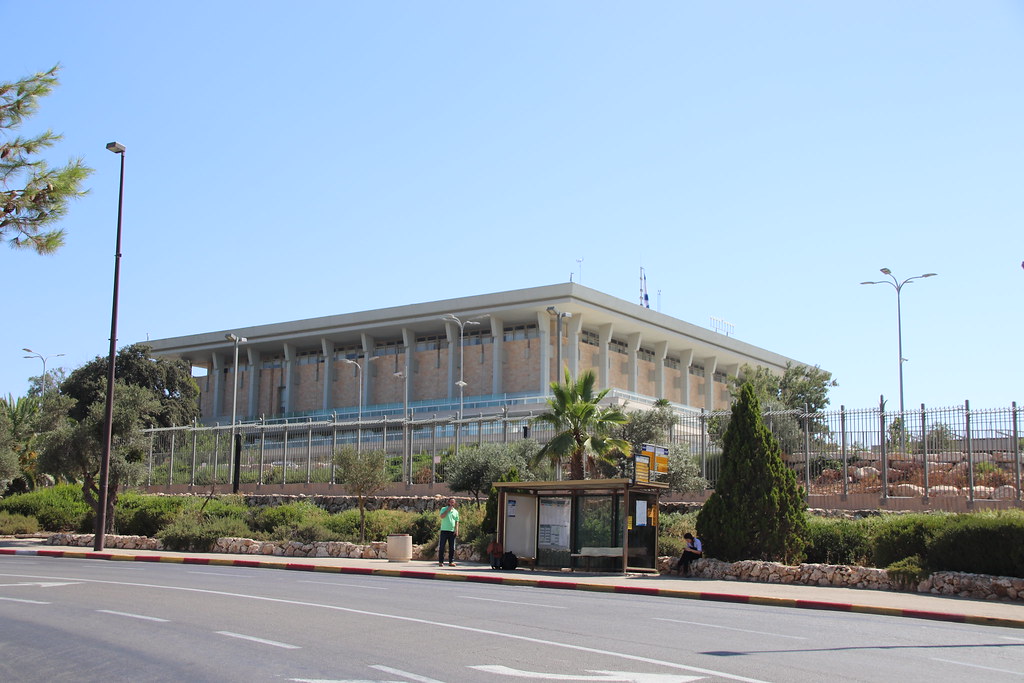
The Knesset has 120 seats. A governing coalition needs 61 of them for a majority. Parties must also clear 3.25% of the national vote to win any seats at all. Ofir Katz, who heads Netanyahu’s coalition in parliament, confirmed in July that the vote would go ahead on the date set by law. That came after the Knesset voted in May to disband, according to Arab News. Surveys since then have repeatedly found Israelis unhappy with how the government handled the aftermath of the war with Iran. Netanyahu’s security record is still marked by the intelligence failures that preceded October 7.

Israel election 2026 ballot box used for voting

Who’s Challenging Netanyahu in This Election

The clearest challenger is Gadi Eisenkot, a former Israeli military chief of staff. His new Yashar party has become a leading contender in the campaign’s final days. Eisenkot is running on accountability for the security failures before October 7. He is also campaigning on a more equal split of military service duty and on the cost of living. Naftali Bennett, a former prime minister, is contesting the vote in an alliance with Yair Lapid. Netanyahu’s Likud needs its usual religious and nationalist partners to have any realistic route back into government. Those partners are Shas, United Torah Judaism, Religious Zionism, and Otzma Yehudit, led by Itamar Ben-Gvir, according to Business Standard.

What the Final Election Polls Are Showing

Four polls published on October 25, two days before the vote, each put Yashar ahead of Likud. Channel 12 had Yashar on 23 seats to Likud’s 21. Channel 13 put it at 22 to 19. KAN 11 showed 22 to 20. Maariv gave Yashar 21 seats without naming a Likud figure, according to The Jerusalem Post. Averaged across the four polls, Yashar leads Likud by just over two seats.

Why an Election Deadlock Looks Likely

The seat math gets tighter at the bloc level. Averaging the same four polls, the opposition bloc sits at roughly 54 seats. Netanyahu’s coalition averages about 49.5, with Arab-led parties holding the remaining 14 to 16. Neither side reaches the 61 seats needed to govern alone. Two smaller lists sit right at the edge of relevance. The Reservists-Economic list averages just under the 3.25% threshold. Ofer Winter’s People of Israel list falls short in every poll surveyed. If neither bloc can govern alone, coalition talks could drag on for weeks after the ballots are counted.

How Israel’s Coalition System Works

Israel’s parliamentary system makes a single-party majority essentially impossible. With 120 seats split among more than ten parties clearing the 3.25% threshold, no governing coalition has formed without several partners in recent decades. That is why Netanyahu’s bloc counts on Shas, United Torah Judaism, Religious Zionism and Otzma Yehudit rather than Likud’s own seats alone, and why Eisenkot’s Yashar party would need its own set of allies to reach 61. The arithmetic also explains why Arab-led parties, which neither major bloc has included in government for most of the last decade, could matter more this time if the vote is as close as the final four polls suggest. A bloc that falls just short of 61 seats typically spends weeks negotiating portfolios and policy concessions before a government is sworn in, and sometimes fails to form one at all.

What Happens After the Election Closes

Exit polls are expected shortly after voting ends on October 27. The real seat count follows over the next day or two. Israeli governments rarely finish a full four-year term. Netanyahu is the country’s longest-serving prime minister, and Reuters still calls him an “unmatched political survivor.” Whether that survival continues depends on coalition arithmetic neither side controls outright. A deadlocked result would likely mean weeks of negotiation. It could also mean a repeat election, a scenario Israel has lived through before.

Related Coverage on Tamara News

For more on the region’s shifting conflicts, see our coverage of the fragile Gaza ceasefire, the proposed window for Russia-Ukraine peace talks, and the protests demanding elections in Venezuela.

Israel Election 2026: Common Questions

When is the Israel election 2026 vote held?
Israel holds its national election on October 27, 2026.

Why is this election being called a test for Netanyahu?
It is the first national vote since the October 7, 2023 attack. Polls have repeatedly found Israelis unhappy with his handling of the war’s aftermath.

Who is Gadi Eisenkot?
A former Israeli military chief of staff whose Yashar party leads Likud in final pre-election polls. He is campaigning on accountability for pre-war intelligence failures.

Could the election end in a deadlock?
Yes. Averaged polling puts neither Netanyahu’s coalition nor the opposition bloc at the 61 seats needed for a majority.

What role could Arab-led parties play?
If neither major bloc reaches a majority, parties such as Ra’am could become pivotal to forming a government. Opposition parties are divided on relying on them.

When will the results be known?
Exit polls are expected shortly after voting closes on October 27. Final counts follow over the next day or two.

Two Economists Just Won the Nobel Prize for Explaining Why Central Banks Do What They Do

The Royal Swedish Academy of Sciences awarded the 2026 Nobel Memorial Prize in Economic Sciences to Robert E. Hall of Stanford University and Michael Woodford of Columbia University on October 12, 2026. The honor recognizes decades of work on how governments and central banks can stabilize a volatile economy. The Nobel Prize economics 2026 announcement recognized research that sits underneath much of how modern central banks actually operate.

What the Nobel Prize economics 2026 recognized

Hall and Woodford built much of the theoretical foundation for stabilization policy. That branch of economics studies how to smooth out booms and busts. Left unchecked, those swings would otherwise whipsaw employment and prices. According to the National Bureau of Economic Research, their combined body of work spans several areas. It covers how central banks should set interest rates. It covers how credible commitments about future policy shape current behavior. It also covers how to think about an economy’s capacity to grow without overheating.

City financial skyline reflecting the global economic backdrop behind the Nobel Prize economics 2026 award

Woodford in particular is closely associated with research on forward guidance. That term describes a central bank’s public commitment about its future actions. Woodford treated it as a policy tool in its own right. He separated it from the interest rate decision made at any single meeting.

Hall’s research extended beyond stabilization theory into measuring how efficiently an economy uses its resources. That body of work helped economists separate temporary slowdowns from more permanent declines in an economy’s underlying capacity. Distinguishing between the two matters enormously for policy. A central bank reacting to a temporary slowdown as if it were permanent risks setting interest rates wrong for years.

Why the Nobel Prize economics 2026 timing feels pointed

The announcement landed as central banks around the world are managing a genuinely difficult stretch. Inflation remains elevated. A geopolitical shock to energy markets, tied to tensions around Iran, has pushed oil prices higher. An AI investment boom is reshaping growth unevenly across countries at the same time. The International Monetary Fund’s own October 2026 forecast added to that picture. It described global growth as increasingly concentrated in a small number of economies. Inflation, the IMF said, is projected to rise rather than ease next year.

That backdrop turns stabilization policy into more than an academic exercise. It sits close to the daily job description of officials at the Federal Reserve and the European Central Bank. Their counterparts worldwide face the same pressure right now.

The academy’s own framing

The Royal Swedish Academy of Sciences has a clear pattern in how it awards the economics prize. It tends to recognize work that shaped real institutional practice, not just theory confined to academic journals. Al Jazeera’s coverage of the announcement noted that both laureates are American economists. That continues a long pattern of U.S.-based researchers dominating the prize’s recent history.

How this connects to today’s interest rate decisions

Hall and Woodford’s work does not dictate what any single central bank meeting decides. It shapes the intellectual toolkit officials bring into the room instead. Modern central bank statements spend as much time describing future intentions as they do announcing the current rate move. Woodford’s research on forward guidance is a big part of why that habit exists. The U.S. Federal Reserve is heading into its own October policy meeting soon. The tools Woodford helped formalize remain part of the standard playbook being applied there, and at central banks elsewhere.

Forward guidance, the specific tool most associated with Woodford’s research, works partly through expectations rather than through the rate change itself. If markets believe a central bank will keep rates low for an extended period, borrowing costs across the economy can fall even before any formal rate cut happens. That mechanism, once a novel academic idea, is now a standard part of how major central banks communicate policy.

What the economics community is saying

Economists outside the laureates’ own universities have broadly welcomed the choice. Several have noted that stabilization theory has rarely felt more relevant. This year combines an energy shock with an AI-driven productivity surge, which is exactly the kind of mixed signal the theory was built to untangle. Other commentators have pointed to a longer pattern in how the prize committee operates. It tends to reward work with decades-long staying power rather than the latest academic fashion. Hall and Woodford’s research fits that pattern closely, since both built their core ideas decades before this year’s prize.

Some critics within academic economics have also noted the limits of stabilization theory. The framework assumes policymakers can credibly commit to future actions and that markets believe those commitments. Real-world politics does not always cooperate with that assumption, particularly when central bank independence faces political pressure, as it has in several countries in recent years.

A brief look at the laureates themselves

Hall has spent much of his career at Stanford, where his research also touched on measuring productivity and the business cycle more broadly. Woodford, based at Columbia, is best known within the field for formalizing how expectations about future policy feed back into present-day economic behavior. Both economists have advised or consulted for policy institutions over the years, which is part of why their theoretical work ended up shaping practice rather than staying confined to textbooks.

What happens next for the laureates and their field

Hall and Woodford will receive the prize at the formal Nobel ceremony later this year, alongside the other 2026 laureates. Expect renewed academic and policy interest in stabilization theory. Central banks are still grappling with how to respond to supply-side shocks, like an energy disruption. Many of the tools they are using were originally designed for ordinary demand-side downturns instead.

For more on how global growth and monetary policy are playing out this year, read Tamara News’ coverage of the IMF’s October 2026 growth forecast and the latest oil price outlook.

France Promised Curfews, Not a Lockdown — Here’s the Difference

France spent the back half of October trying to calm nationwide unrest. More than half a million people took to the streets on October 18, 2026. Some of those protests turned into looting and arson in several cities. The France curfew protests have eased since then. Prime Minister Sebastien Lecornu’s government is still weighing targeted curfews rather than declaring the crisis over.

What set off the France curfew protests

The October 18 demonstrations combined two separate grievances. Students had already been protesting education conditions for weeks. A wider group of demonstrators turned out over the rising cost of living and fuel prices on the same day. According to Al Jazeera’s reporting, the protests spread into looting and arson in multiple locations. More than 2,500 people have been arrested so far.

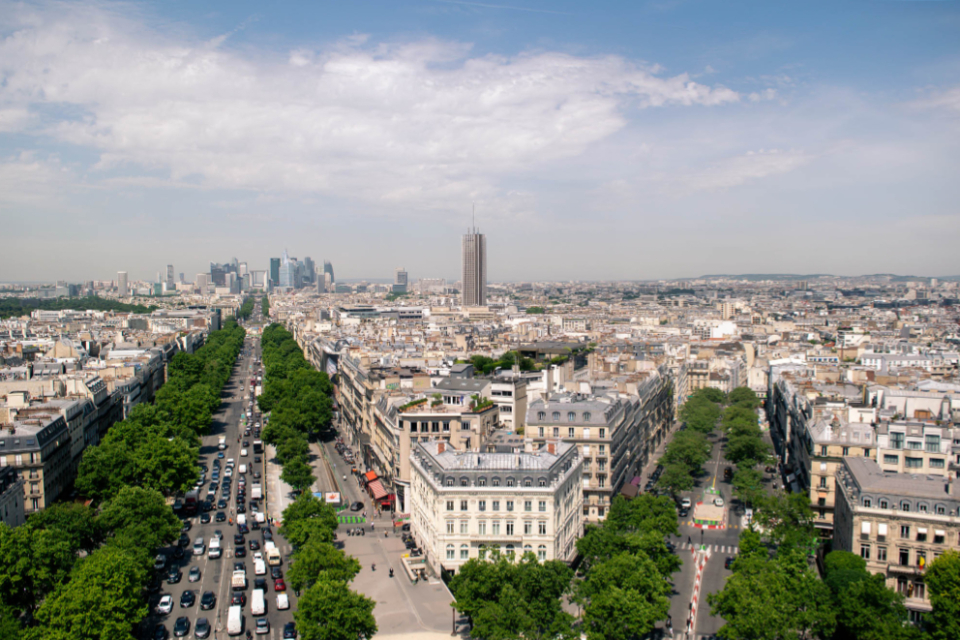
Arc de Triomphe and central Paris avenue, a focal point during the France curfew protests unrest

The cost-of-living piece of the protests reflects a strain that has been building in France for months. Fuel prices climbed through much of 2026, squeezing households already dealing with higher grocery and housing costs. Unlike the student demonstrations, which focused on specific education policy complaints, the broader cost-of-living protests drew a wider crowd. That crowd included workers from multiple industries who do not typically join the same demonstrations.

A targeted curfew approach, not a nationwide lockdown

Lecornu did not impose a single blanket curfew. He said on October 20 that new curfews would apply only where local authorities judge them necessary. Each prefecture is coordinating directly with its own mayors. That is a notably different approach from a nationwide measure. It reflects how unevenly the unrest has actually spread across the country.

Digital Minister Anne Le Henanff took aim at a secondary problem: looted goods being resold online. She met with social media company executives to press them to remove listings for stolen merchandise. It was an unusual but direct response to unrest that spilled from the streets into e-commerce platforms within days.

Local officials in the hardest-hit cities welcomed the flexibility a targeted approach gives them. A single nationwide curfew would have applied even to areas that saw little or no unrest, a mismatch critics said would have punished calm regions unfairly. Mayors in cities that avoided serious violence pushed back early against any blanket measure, and Lecornu’s prefecture-by-prefecture approach appears designed partly to address that specific objection.

The government’s week of political meetings

Lecornu laid out a short, deliberate schedule after announcing the curfew approach. First came a meeting with union officials. Talks with political parties followed soon after. That sequencing suggests the government wanted labor groups on side before opening broader political talks. It is a sign of how seriously officials are treating the political risk here. They worry the unrest could become a vehicle for opposition parties, rather than staying a contained public-order problem. Euronews reported that President Macron separately denounced the rioting and looting directly.

Opposition lawmakers offered sharply different readings of the same unrest. Some on the left argued the protests reflect a genuine crisis of household purchasing power that the government has ignored for too long. Some on the right argued the demonstrations show a breakdown in public order that demands a tougher security response rather than further political dialogue. Lecornu’s government has tried to occupy a middle position, acknowledging the economic grievances while still promising a firm response to the looting and arson specifically.

Why the timing matters for France’s 2027 election

The unrest lands just over a year before France’s presidential election in April and May 2027. Macron cannot contest that vote himself because of term limits. Current polling puts Marine Le Pen of National Rally in the lead. Jean-Luc Melenchon of La France Insoumise sits close behind her. Both politicians have faced accusations of exploiting the protests for political gain. That adds extra pressure on Lecornu’s government to be seen managing the crisis competently, not just policing it.

Analysts covering French politics have noted that unrest this far ahead of an election rarely determines the outcome by itself. It can, however, shape which issues dominate the campaign once it formally begins. A prolonged standoff over cost-of-living measures would likely keep economic grievances near the center of the 2027 race. That would benefit whichever candidate voters trust most to address rising prices directly.

How this unrest compares with past French protest waves

France has a long history of large, disruptive street protests, from the 2018 to 2019 Yellow Vest movement to repeated pension reform strikes in recent years. What sets this round apart is the combination of two separate grievances. Student conditions and cost-of-living pressure arrived at the same moment, rather than one dominating the other. That overlap is part of why the government’s response has focused on local, targeted measures instead of a single nationwide policy.

Historians of French protest movements point out that sustained unrest often leaves a lasting mark. Even once it fades from the streets, its effect on policy debates can linger for years. The Yellow Vest movement, for instance, reshaped how French governments approach fuel tax changes long after the protests themselves ended.

What happens next as France tries to de-escalate

Monday night passed without major incidents, according to police. That is a sign the worst of the unrest may have passed for now. Demonstrators still called for a fresh round of protests on October 24. France’s main trade unions have not backed that call, though, which suggests the movement has fractured into smaller, less coordinated groups rather than disappearing outright. Whether Lecornu’s targeted curfews hold through the weekend will be the clearest early test of whether the government has actually regained control.

For more on how governments elsewhere are managing political and economic pressure, see Tamara News’ coverage of the EU’s Brussels summit on frozen Russian assets and the latest Russia-Ukraine peace talks.

Putin’s Adviser Just Named a Window for Peace Talks to Restart

Russia has agreed “in principle” to resume US-mediated Russia Ukraine peace talks after November 10, 2026, according to Yuri Ushakov, President Vladimir Putin’s foreign affairs adviser. Ushakov made the statement from St Petersburg on October 21, after US envoy Steve Witkoff met Putin there. No exact resumption date has been set.

The Kremlin in Moscow, where Russia Ukraine peace talks are expected to resume

What Russia’s envoy actually said

Ushakov said Putin agreed in principle to restart the US-brokered process once the November 10 window passes. He also said the Kremlin wants the talks to cover a “security framework” for Russia and Ukraine once the war ends. That goes beyond a simple ceasefire line. The framing matters. Previous rounds stalled partly because Moscow and Kyiv disagreed on timing. They could not agree on whether security guarantees should be negotiated before or after a ceasefire takes effect.

Witkoff’s trip follows months of on-and-off diplomacy. US President Donald Trump has pressed Ukrainian President Volodymyr Zelenskyy to reach a deal. Kyiv, meanwhile, has resisted terms it views as rewarding Russian territorial gains. The Kremlin’s own public statements have swung between two poles: describing talks as paused, and describing them as open. That inconsistency is part of why Ushakov’s “in principle” language is being read carefully rather than taken as a firm commitment.

Why the Russia Ukraine peace talks keep stalling

The core disagreement has not changed in months. Russia wants recognition of the territorial control it has established since 2022. It also wants binding limits on Ukraine’s future military alignment. Ukraine, for its part, wants enforceable security guarantees from Western partners first. Kyiv will not give up any claim to occupied territory without them. Both sides have used pauses in contact as leverage. Each blames the other for the lack of progress rather than announcing a formal end to diplomacy.

That pattern explains the gap in the calendar here too. Ushakov’s statement sets no fixed meeting date. It names only a window after which talks could resume. Diplomats involved in the process have learned not to publicize exact dates too early. Earlier announced meetings have been pushed back or canceled more than once, so caution has become the norm.

What the November 10 window signals

Picking a date five weeks out gives both sides room to maneuver. Neither side has to commit to an immediate session. It also lines up with other diplomatic activity. Envoys have been traveling between capitals in recent weeks, testing support for a US-drafted framework. A resumption after November 10 would build on that groundwork rather than restart negotiations from scratch.

Ukrainian officials have not issued a matching public statement confirming the same timeline. That silence is typical of this conflict’s diplomacy. Russia and the US tend to announce process details first. Kyiv usually responds separately, once it has reviewed what was actually agreed, rather than confirming details in real time.

Analysts following the talks note that this pattern of delayed confirmation has repeated through most of 2026. European officials involved in the broader sanctions track say they expect Kyiv to wait until closer to November 10 before commenting publicly, so as not to create expectations the Kremlin could later walk back.

What happens between now and the next round

Three things are worth watching before November 10. First, does Witkoff or another US envoy make a parallel visit to Kyiv to brief Zelenskyy’s government on what Ushakov described? Second, does Russia or Ukraine carry out any major battlefield offensive in the interim that could harden either side’s position? Third, does the “security framework” language Ushakov used become a formal agenda item, or does it fade once talks actually begin?

Given how many previous rounds have stalled at the agenda stage, a resumption date alone does not guarantee progress. Still, it marks something new. This is the first time since the St Petersburg meeting that both sides have pointed to the same month. Officials close to the talks caution against reading too much into that alignment, but after months of mismatched signals, even a shared reference point counts as modest progress.

Related coverage

Tamara News is tracking the diplomatic and economic fallout from the war closely. See our coverage of the EU summit on frozen Russian assets, the one-year assessment of the Gaza ceasefire, and our report on the IMF’s 2026 global growth forecast.

Russia-Ukraine peace talks: frequently asked questions

  • Who said Russia agreed to resume talks? Yuri Ushakov, Putin’s foreign affairs adviser, said Russia agreed “in principle” to resume talks after November 10, 2026.
  • Is a specific date set for the next round? No. Ushakov named only a window after November 10, with no confirmed meeting date.
  • Who did Putin meet with in St Petersburg? US envoy Steve Witkoff met Putin in St Petersburg on October 21, 2026, ahead of Ushakov’s statement.
  • What does Russia want the talks to cover? Ushakov said Russia wants to discuss a security framework for Russia and Ukraine after the war ends, not only a ceasefire.
  • Has Ukraine confirmed the same timeline? Ukrainian officials had not issued a matching public statement on the November 10 window as of this report.
  • Why have past talks stalled? Russia and Ukraine disagree over territorial recognition and the timing of security guarantees, a gap that has repeatedly delayed previous rounds.

Where this report comes from

Venezuela’s Biggest Protest in Two Years Just Happened — Here’s What Changed

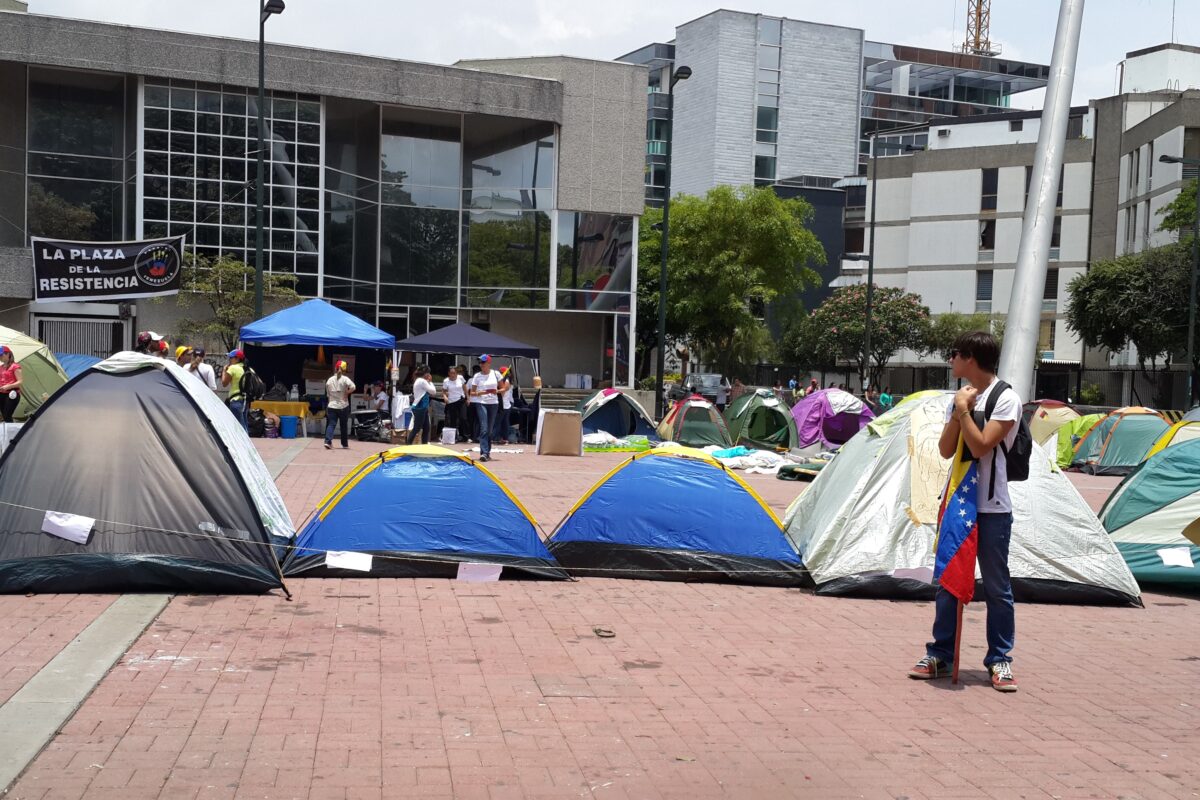
Thousands of Venezuelans marched in several cities on October 22, 2026, to demand free elections. Reuters called it the first nationwide opposition protest in nearly two years. The Venezuela election protests reached Caracas, Valencia, Maracay, San Cristobal and Maracaibo. They came nine months after US forces captured President Nicolas Maduro in a January 2026 military raid.

The opposition movement Vente Venezuela organized the demonstrations. Its leader is Maria Corina Machado, winner of the Nobel Peace Prize. Machado has lived abroad for nearly a year. She went into hiding after the contested 2024 election. She says a vote must happen by July 2027.

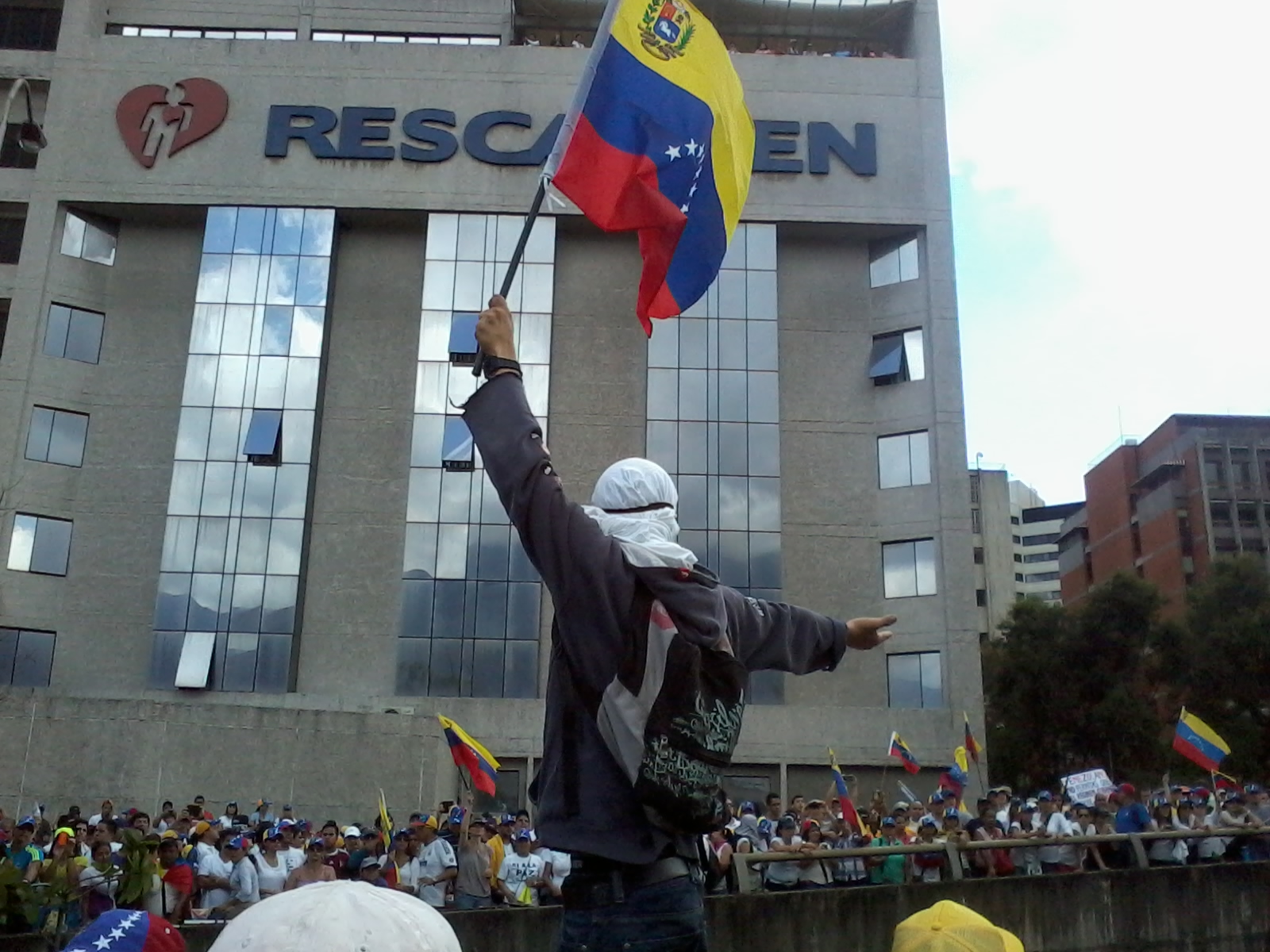
Venezuela election protests demonstrator waving the national flag in Caracas

What triggered the Venezuela election protests

No date has been set for a vote to choose Maduro’s successor. US President Donald Trump and acting President Delcy Rodriguez have both said elections will happen eventually. But neither has named a date. That open-ended promise, combined with the approaching anniversary of Maduro’s removal, pushed Machado’s movement back onto the streets after a long quiet period.

Government security forces kept a minimal presence at protest sites on Thursday. In several smaller cities, demonstrators dispersed before nightfall. The ruling Socialist Party, known as the PSUV, held its own march in Caracas the same day. That march was nominally timed to mark Breast Cancer Awareness Month. Interior Minister Diosdado Cabello attended it, and state television covered the event live. The opposition moved its gathering to a nearby location instead of confronting the PSUV march directly.

Eighteen-year-old cosmetology student Leosmary Hernandez joined the gathering in Maracay. She told reporters: “Seeing this makes me happy because I know change is possible.”

From Maduro’s capture to an interim government

The PSUV has governed Venezuela since 1999. Hugo Chavez led the party first, and Maduro succeeded him. US forces captured Maduro in the January 2026 raid. He and his wife, Cilia Flores, now face drug and torture charges in the United States. Both have pleaded not guilty. Delcy Rodriguez, Maduro’s former vice president, has led the country as interim president since January 3, 2026.

Washington backs Rodriguez’s government and holds a major stake in Venezuela’s oil sector. US officials are pressing her administration for reforms. Talks between part of the opposition and the interim government, backed by Washington, aim to overhaul the top court and electoral council before any vote takes place. The latest session happened this month. Machado’s movement is not part of those talks, though. Participants say the changes could still take a long time to complete.

The dispute traces back to the 2024 presidential election. Opposition figure Edmundo Gonzalez Urrutia says he won, based on tallies the opposition collected at polling stations. The government never released a full vote count. It backed Maduro’s victory instead, a result the country’s courts and electoral authority upheld at the time.

Human rights record colors the standoff

The PSUV has faced accusations of human rights abuses against dissidents. Rights groups cite arbitrary arrest, imprisonment and torture. Security forces have been deployed against protesters in the past, sometimes violently. That history explains why Thursday’s muted police presence drew attention on its own. For many Venezuelans, a protest that ends without mass arrests is itself notable.

International reaction to the protest was limited but watchful. Diplomats involved in the Washington-backed reform talks said they were monitoring the demonstrations for signs of wider unrest. Venezuelan rights organizations said the small number of detentions, compared with past crackdowns, suggested the interim government was wary of drawing fresh international criticism so soon after Maduro’s removal.

What happens next for Venezuela’s transition

Three things will determine whether Thursday’s protest marks a turning point or a one-off event. First, do the reform talks between the interim government and part of the opposition produce an actual electoral council and court overhaul, rather than another extended negotiation? Second, does Machado’s movement find a way into that process, or does it keep pressing from outside it? Third, does Rodriguez’s government set a concrete election date before Machado’s self-imposed July 2027 deadline arrives?

None of those questions has a firm answer yet. For now, the protest shows that part of the public is no longer willing to wait quietly for one to appear. Organizers say they plan further demonstrations if no election timetable emerges in the coming months.

Related world coverage

Venezuela’s standoff is one of several political transitions Tamara News is tracking this month. See our coverage of the humanitarian crisis in Sudan, the one-year assessment of the Gaza ceasefire, and the EU summit on frozen Russian assets.

Venezuela election protests: frequently asked questions

  • When did Maduro get captured? US forces captured Nicolas Maduro in a military raid in January 2026. He faces drug and torture charges in the United States.
  • Who is leading Venezuela now? Delcy Rodriguez, Maduro’s former vice president, has served as interim president since January 3, 2026.
  • Who organized the October protest? The opposition movement Vente Venezuela, led by Nobel Peace Prize winner Maria Corina Machado, organized the October 22 demonstrations.
  • Has an election date been announced? No. Trump and Rodriguez have said elections will take place, but no date has been set as of this report.
  • Is Machado part of the reform talks? No. US-backed talks between part of the opposition and the interim government are ongoing, but Machado’s movement is not a participant.
  • What does Machado want? Machado has called for a vote to be held by July 2027 and says free elections are the only way to resolve the standoff.

Sources for this report