

Meet someone near you.
Live video chat with people nearby. One tap, free to start.

Featured photo: Asadi s / Wikimedia Commons (CC BY-SA 4.0)
The US Iran diplomatic talks are quietly back on. Days ago, Washington reportedly sent a private overture to Tehran. At the same time, it is telling Gulf allies to brace for renewed military action. According to The Wall Street Journal, citing US officials, Vice President JD Vance sent a letter to Mohsen Rezaei, chairman of Iran’s Supreme National Security Council. The goal was reviving negotiations. President Donald Trump downplayed the move. He said he had not directed Vance to contact Iran. He described the letter as being about humanitarian aid: “they need help with medical supplies and various things.”
The outreach lands at a tense moment. The same report said Washington has warned several Gulf Arab governments to prepare for a possible renewed campaign against Iran. That campaign could follow the November 3 midterm elections. The timeline has unsettled energy markets and regional capitals alike. The result is a familiar split-screen. A diplomatic channel is opening on one track. Military contingency planning continues on another.
Why the US Iran diplomatic talks resurfaced now
Tehran and Washington have lacked a reliable diplomatic channel for most of 2026. Open hostility has been punctuated by short-lived backchannel contacts. The Vance letter, if accurately described, would mark one of the more senior-level contacts in recent months. Trump’s framing of it as humanitarian, not diplomatic, gives the administration room to deny it is softening its stance. At the same time, it lets Washington test whether Tehran will engage.
Iran’s government has not issued a detailed public response. Separately, Pakistan’s ambassador to the United Nations, Usman Jadoon, told the Security Council this week that Pakistan remains concerned that the Iran nuclear file “has sharply deteriorated.” He urged that compliance questions go through technical bodies such as the IAEA rather than becoming politicized.
The warning to Gulf allies that complicates the picture
What makes the diplomatic opening harder to read is a parallel warning. Gulf Arab states have reportedly been told to plan for a possible strike campaign once the midterms pass. That timing would remove a domestic political constraint that has shaped US decisions much of this year. For the UAE, Qatar, Bahrain, Kuwait and Oman, this is not abstract. Regional air traffic, shipping and energy infrastructure are all exposed if hostilities resume.
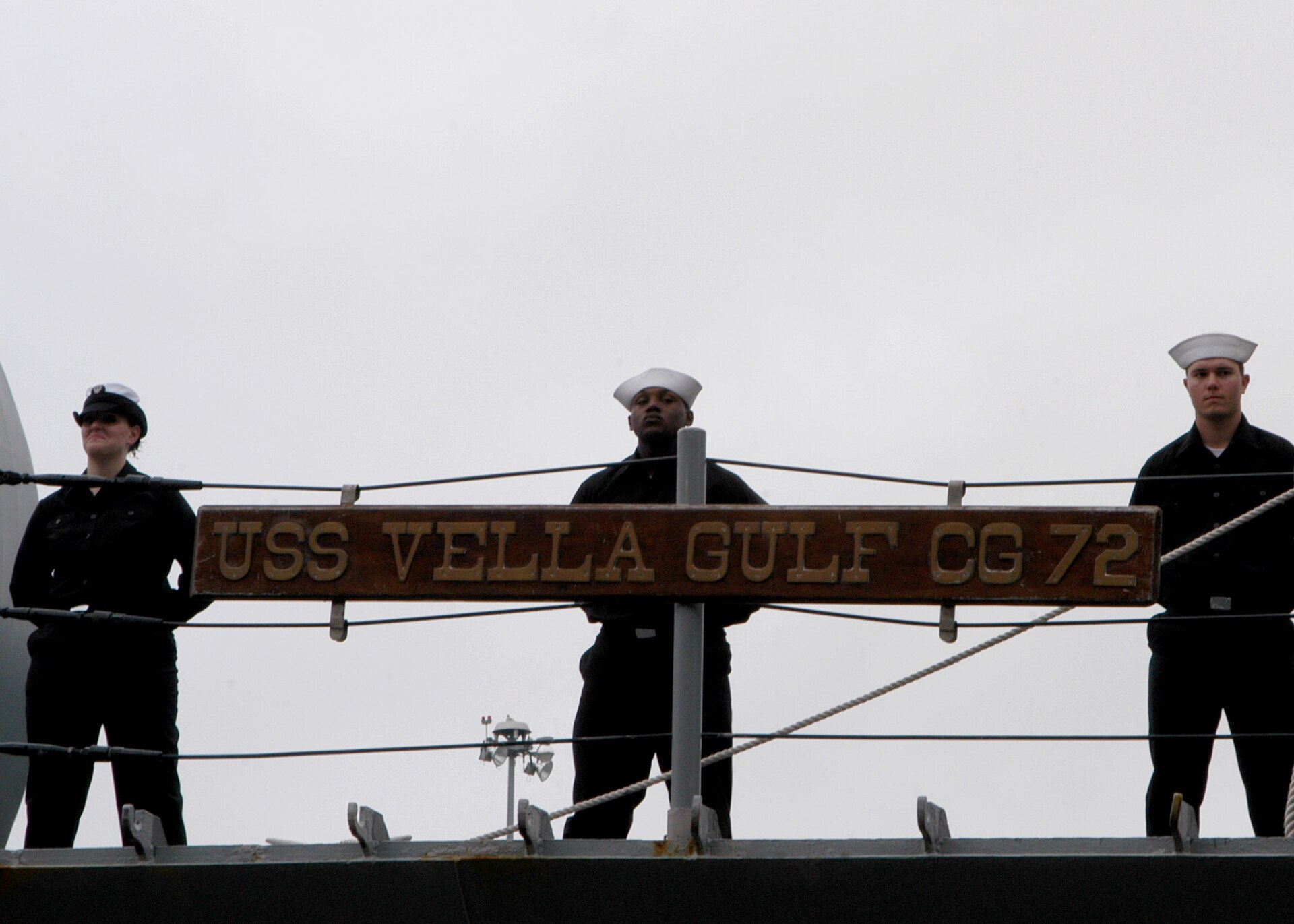
Civil aviation has already adjusted. The European Union Aviation Safety Agency extended its airspace-avoidance advisory for Iran, Iraq, Lebanon and Jordan through 16 November. The same advisory covers Gulf waters off the UAE, Bahrain, Kuwait, Qatar and Oman. EASA cites “high risks from missiles, drones and air-defence systems.” Singapore Airlines and its budget arm Scoot have separately pushed their own route restarts into early December.
How markets are pricing the US Iran diplomatic talks
Energy traders are watching the diplomatic track closely. It is one of the few levers that could quickly ease a supply-risk premium that has kept oil elevated for months. Brent crude eased to around $114 a barrel after gaining more than 1% the prior session. The prospect of talks offset fears of disruption. UBS analyst Giovanni Staunovo noted that global inventories “have fallen sharply,” with strategic reserve releases “largely completed.” That means the market has far less spare cushion than earlier in the conflict.
Emirates NBD’s Nick Stadtmiller summed up the mood: “Oil prices remain volatile as markets respond to developments affecting regional production and infrastructure.” A single diplomatic signal, even an unconfirmed one, can move prices. So can a single warning the other way.
What happens next
Three things are worth watching. First, whether Tehran responds to the reported Vance letter, and how. Second, whether the midterms genuinely mark the point when military planning accelerates, as Gulf states expect. Third, whether EASA’s 16 November deadline holds, slips, or narrows. Each outcome will shape airline scheduling and insurance costs into December.
None of these threads clearly points toward de-escalation or escalation alone. Together, they describe a standoff. Both sides are keeping a door open. Both are also preparing for it to close.
Frequently asked questions
What did JD Vance reportedly send to Iran?
According to The Wall Street Journal, citing US officials, Vance sent a letter to Mohsen Rezaei, chairman of Iran’s Supreme National Security Council. The aim was reviving talks with Tehran.
Did President Trump confirm the letter?
No. Trump said he did not direct Vance to contact Iran. He described the letter’s content as humanitarian aid, including medical supplies.
Why were Gulf Arab countries warned to prepare for action?
The Journal reported Washington told several Gulf states to ready for a possible renewed US campaign against Iran. That campaign could follow the November 3 midterms.
How is the airspace restriction connected to this story?
EASA’s advisory avoiding Iranian, Iraqi, Lebanese, Jordanian and Gulf airspace runs through 16 November. It responds directly to elevated military risk tied to the same standoff.
Has oil reacted to the reported talks?
Yes. Brent crude eased after gaining the prior session, as traders weighed the diplomatic signal against supply-risk warnings from analysts including UBS.
Is a resolution expected soon?
No firm timeline exists. Officials have not confirmed whether the contact will lead to formal talks. Washington’s parallel warning to Gulf states suggests it is not standing down militarily.
For more on the market and travel effects of this standoff, see our coverage of Brent crude oil prices and Middle East flight suspensions. For the broader diplomatic backdrop in South Asia this month, read our report on Pakistan Afghanistan ceasefire talks.
Verification your users actually receive.
Send one-time passcodes over WhatsApp with a single API call. Replio can generate, hash and verify the code for you.
