Australia Student Visa Changes From 2 October 2026

New Australia student visa changes took effect on 2 October 2026. Most temporary visa holders can no longer apply for a Student visa from inside Australia, and most new international students can no longer include family members in their application. The rules are set out on the Australian government’s Study Australia site. Current Student visa holders are not affected, and applications lodged before 2 October are assessed under the old rules.

In this report

Who can no longer apply from inside Australia

According to Study Australia, working holiday and Skills in Demand visa holders are among those who must now apply from overseas, and they must also be outside Australia when the visa is granted. Student visa holders generally cannot lodge another Student visa application onshore either. The exemptions listed include students sponsored by the Department of Foreign Affairs and Trade (DFAT) or Defence, doctoral, primary and secondary study, students who need up to 12 more months with the same provider, those moving from a completed course to a higher level, and cases where a provider has defaulted. ICEF Monitor reports that the list of affected visa classes widened between the 17 September announcement and the start date.

Family members

For a first or further Student visa, family members generally cannot be included unless an exemption applies. Study Australia lists doctoral students, nationals of Pacific and ASEAN countries, recipients of fully funded foreign government scholarships, and DFAT or Defence-sponsored students. Families already in Australia can be included in a new application if they were on the earlier visa or application before 2 October and the student is eligible to apply onshore. Family members cannot be added after a Student visa is granted, and that rule has no exemptions. ICEF notes that one source describes the dependant restriction as having “no exceptions” while listing exemptions, so rely on the government wording.

Consider a hypothetical case. Arjun is an Indian master’s applicant who planned to bring his spouse. Unless he qualifies for an exemption, such as a doctoral place or a qualifying scholarship, the new rules mean he should plan on applying without her. He should confirm his category on the government site or with a registered migration agent before paying any fee.

Changing providers

ICEF reports that non-school students must now stay with their principal course provider for 12 months before transferring, up from six, until a new transfer stream begins on 1 July 2027. Transfers are limited to courses at the same level or higher, and moving from higher education to vocational training onshore is no longer allowed. Business Today reports the same 12-month rule. If a course or provider turns out to be unsuitable, you may have to stay enrolled longer before moving.

What is still to come

Study Australia says a Transfer stream within the Student visa is planned, with details still in development. Family restrictions for Temporary Graduate (subclass 485) applicants will also be introduced, with no timing given. The page adds that the 485 application charge rose to A$5,750 on 1 July 2026, with applicants from Pacific Island countries, Timor-Leste and ASEAN states excluded from the increase. For earlier changes, see our reports on Australian visa application charges and the skilled visa salary thresholds.

What applicants should do

Check whether you are inside or outside Australia when you plan to lodge, whether you fit an exemption, and whether your family can travel with you. Keep evidence of any earlier lodgement date. If you are comparing destinations, our visa eligibility checker can help you check your options. Anything that depends on your own circumstances is a question for a registered migration agent.

Australia student visa questions

When did the Australia student visa changes start?

They took effect on 2 October 2026 for applications lodged from that date. Applications lodged earlier are assessed under the rules at lodgement.

Can a visitor or working holiday maker apply for a Student visa in Australia now?

Generally no. Study Australia says most temporary visa holders can no longer apply for a Student visa while in Australia and must apply from overseas.

Can I bring my family on a Student visa?

Generally not, unless an exemption applies. Study Australia lists doctoral students, Pacific and ASEAN nationals, some fully funded foreign government scholarship holders and DFAT or Defence-sponsored students.

Can I add family after my visa is granted?

No. Study Australia says family members cannot be added after a Student visa is granted and that this rule has no exemptions.

How long must I stay with my provider before switching?

ICEF reports 12 months for non-school students until 1 July 2027, when a new transfer stream starts.

Are current Student visa holders affected?

Study Australia says current Student visa holders are not affected by these changes.

Sources

UK Erasmus+ Visa Rules: What Changed on 8 October 2026

New UK Erasmus+ visa rules took effect on 8 October 2026, preparing the immigration system for the UK’s return to the exchange programme. The changes sit in Statement of Changes HC 584, laid on 3 September 2026, and they cover visitors, sponsored students and the Government Authorised Exchange scheme. The explanatory memorandum says the UK and the EU agreed association to Erasmus+ in 2027, so the visa rules arrive first.

In this guide

Visitors on Erasmus+ projects

According to the memorandum, visitors may study at state-funded schools and academies on Erasmus+ projects for placements of up to six months. Participants under 18 need permission from a parent or guardian and from their home institution. Erasmus+ participants may also join training, courses, traineeships of up to 30 days, job shadowing and sports coaching. Host organisations do not need to sponsor Erasmus+ visitors.

Separately, the changes let all visitors take part in workshops, debates and skills competitions, per the summary from Lewis Silkin. Visitors coming for training no longer need to show the training is unavailable in their home country.

Sponsored students

The student route is adapted in several ways. Erasmus+ students can be sponsored even when the course does not lead to an approved qualification. Sponsorship may cover courses at RQF level 2, but only for Erasmus+ participants at participating sponsors. Erasmus+ courses can include work placements from the start, even for sponsors on probationary status, and are exempt from the usual placement-length limits. Hosts must hold a valid student sponsor licence.

The Government Authorised Exchange change

Erasmus+ is added to the list of Government Authorised Exchange schemes. The memorandum calls this facilitative: it creates no new route and does not change how sponsorship works. The Department for Education endorses the scheme, and IRARA Services Ltd, appointed by the department, acts as overarching sponsor. The memorandum expects significant growth in exchange visas from a base of 7,235 in the year ending March 2026.

Consider a hypothetical case. Beatriz is a Brazilian master’s student whose university is in a partner arrangement under the programme. Once the UK is associated, she might spend a term at a UK university. The route would not need a standard multi-year study visa for a short exchange, but the exact route depends on the course and sponsor. She would check the sponsor’s licence and the length of her placement first.

Other changes from 8 October

The same statement carries other rule changes unrelated to Erasmus+. Skilled Workers recognised as modern slavery victims may gain wider work rights after a positive Conclusive Grounds decision, as Free Movement reports. Biometrics rules for varied applications and fee-waiver rules for extensions also changed for applications made on or after 8 October. Read the statement of changes itself for the exact wording.

What exchange students should do

Do not book travel on the strength of a summary. The association itself takes effect in 2027, and the memorandum does not give a specific start date. Check with your home university, which will know the date it can nominate students, and with the UK host, which must hold the right sponsor licence for student-route placements. Students comparing the UK with other options can read our guide to the Graduate Route changes from January 2027, our report on ETA enforcement for visa-exempt travellers and our deadline guide for the Chevening scholarship. A quick check on your own case is available through our visa eligibility checker.

UK Erasmus+ questions

When do the UK Erasmus+ visa rules start?

The rule changes apply to applications and entries from 8 October 2026, under Statement of Changes HC 584.

When does the UK rejoin Erasmus+?

The explanatory memorandum says the UK will associate from 2027. It does not give a more specific date.

Can Erasmus+ students be sponsored for non-qualification courses?

Yes. The student route now allows sponsorship even when the course does not lead to an approved qualification.

Do UK hosts need to sponsor Erasmus+ visitors?

No. The memorandum says hosts do not need to sponsor Erasmus+ visitors.

How long can a visitor attend a UK school on Erasmus+?

Visitors may study at state-funded schools and academies on Erasmus+ projects for up to six months.

Sources

DHS Proposes $70,000 OPT Fee: What F-1 Students Should Know

The Department of Homeland Security has proposed a proposed OPT fee of $70,000 for a student’s first Optional Practical Training recommendation and $30,000 for each later one. According to a Duane Morris alert, the proposed rule was published on 8 October 2026 under docket ICEB-2026-0100. It is a proposal, not law, and nothing is owed unless DHS issues a final rule. Comments are open for a short window, and students, schools and employers have until early November to be heard.

In this report

What the proposed OPT fee would do

Optional Practical Training lets F-1 students work in the United States in their field of study during or after their degree. Under the proposal, a school would pay $70,000 the first time it recommends a student for OPT, of any type. The charge would apply once per student. Each later recommendation, including a STEM OPT extension, would cost $30,000. DHS also asks for comment on an alternative that would charge $70,000 again at each higher education level, according to Wolfsdorf Rosenthal.

The rule would take effect 60 days after a final rule is published. Students who are already approved for OPT, or whose schools have already recommended them before that date, would be grandfathered, according to Duane Morris. Changing employers on its own would not trigger the $30,000 charge, per the Wolfsdorf summary.

Who would actually pay

The legal obligation sits with the school, not the student. Both law-firm summaries say Student and Exchange Visitor Program (SEVP) certified schools would have to pay before a designated school official can enter the OPT recommendation in SEVIS, the government’s student database. Wolfsdorf notes that schools could try to recover the cost from students, employers or other sources. The proposal does not say they must, and it does not say they may not.

That gap is the main uncertainty for students. A university facing a $70,000 charge per graduate could pass it on, absorb it, limit OPT recommendations, or ask employers to contribute. None of these outcomes is set. Treat any claim about how a particular school will respond as speculation until that school says so in writing.

STEM OPT and later requests

STEM OPT extensions count as later authorisations, so each would carry the $30,000 charge. Wolfsdorf reports that DHS estimated about 95,000 STEM OPT participants were active in 2024. Consider a hypothetical case. Linh is a Vietnamese computer-science master’s student who expects to graduate in 2027. If the rule were final before her school made her first recommendation, that recommendation would trigger the $70,000 charge, and a later STEM extension would trigger $30,000. If she were recommended before the effective date, she would be grandfathered.

DHS’s own estimates

Duane Morris reports that DHS estimates 2,478 schools would be affected and that annual fees would run between $8.4 billion and $16.5 billion. These figures come from the agency that wrote the proposal, so they describe the department’s modelling rather than an independent audit. Universities and student groups are likely to challenge them in their comments.

What to do before the deadline

Comments must be filed through regulations.gov and must reference docket ICEB-2026-0100. Duane Morris gives the deadline as 11:59 p.m. Eastern on 7 November 2026, and Wolfsdorf’s summary points to the same date. A separate immigration-law update dated 13 October lists 9 November, so confirm the exact date in the published notice before you file. Emailed or mailed comments will not be considered.

Students who may be affected should ask their international office three questions: when will it recommend OPT, whether the school plans to pass on any cost, and what documents it needs. You can also check your wider options with our visa eligibility checker. For related US changes, read our reports on the court pause on the duration-of-status rule and the public charge rule for green card filers.

Questions on the proposed OPT fee

Is the OPT fee in force?

No. It is a proposed rule published on 8 October 2026. It would take effect 60 days after a final rule, and only if DHS adopts one.

Who pays the $70,000?

The proposal puts the payment on SEVP-certified schools, which must pay before an OPT recommendation can be entered in SEVIS. Schools may seek to recover the cost elsewhere.

Would STEM OPT extensions cost more?

Each STEM OPT extension would count as a later recommendation and carry a $30,000 charge under the proposal.

Would current OPT students have to pay?

Students already approved or recommended before the effective date would be grandfathered, according to Duane Morris.

When is the comment deadline?

Duane Morris gives 11:59 p.m. Eastern on 7 November 2026. One other update lists 9 November, so check the notice on regulations.gov.

Where do I file a comment?

On regulations.gov, citing docket ICEB-2026-0100.

Sources

Germany PhD Scholarships Closing 31 October and 24 November 2026

Two Germany PhD scholarships close within five weeks of each other. The University of Erfurt accepts applications until 23:59 CET on 24 November 2026, according to its official call. A nine-month research stay run by the ABCD-Centre closes on 31 October 2026, according to a report on the programme. Both reward early preparation, and neither suits every applicant.

This guide

Erfurt: three years of funding from April 2027

The University of Erfurt says its scholarships run from 1 April 2027. Funding is €1,400 a month for three years, extendable by one further year. A family allowance of €300 applies for one child and €150 for each additional child. The scholarships support doctoral projects within the Erfurt Doctoral and Postdoctoral Programme, which is run by certified research training groups or the Max-Weber-Kolleg.

The call page does not list selection criteria or application documents. It points to the university’s announcements page and names a doctorate counselling contact. It also does not say whether international applicants are eligible, so ask the counselling office before you invest time.

Erfurt Cathedral and St Severus' Church, in the city offering the Germany PhD scholarships
Erfurt, home of the university’s doctoral scholarship call.

The ABCD research stay: nine months, two places

The ABCD-Centre, which works on water and climate adaptation, plans to support two doctoral students, the report says. Funding is €1,200 a month for accommodation and living costs, up to €105 a month for insurance, a travel grant of up to €1,000 and up to €1,000 for research materials. Hosts are RWTH Aachen University, Technische Universität Dresden or UNU Resource Nexus.

Eligibility is narrower. Applicants must be full-time doctoral students at a university in a developing country and must have started their PhD within the last three years. The research topic must match the centre’s priorities, such as water infrastructure and urban water extremes. The article gives no official ABCD website, only a link to a document on LinkedIn’s media domain. Treat the details as unconfirmed until you find the centre’s own call.

Other German deadlines on the October calendar

A list compiled by Global South Opportunities on 8 October shows more German options. It lists IMPRS-IS PhD positions with a 15 November deadline and a University of Bremen DAAD marine biology master’s scholarship closing on 15 October. It is an aggregator, so verify each date with the provider. For UK alternatives, see our guide to the Gates Cambridge deadlines.

Which Germany PhD scholarships fit you

Consider a hypothetical doctoral student, Hamza, a Pakistani civil engineering researcher in year two of a PhD on urban flooding. If his university qualifies under the programme’s definition, the ABCD stay could suit him, because his topic matches the water priorities. A researcher in the humanities with a proposal tied to a research training group would look at Erfurt instead. Hamza is an illustration, not a real applicant.

How to prepare for Germany PhD scholarships

Start with the ABCD file, because it closes first. It asks for a single PDF with a two- to three-page motivation statement, a sample scientific paper and a CV. It also needs a support letter from your home institution, an enrolment certificate, a transcript dated within six months and a passport copy. Agree the research plan with your supervisor before you apply. For Erfurt, email the counselling office this week and request the full call. Remember that German study also involves health insurance, which the DAAD says international students must hold.

Planning the move itself? Our visa eligibility checker can help you test your options, and our note on the delayed ETIAS launch explains short-stay travel to the Schengen area.

Research priorities and the Erfurt call page

The ABCD report lists five priority areas: water infrastructure and digitalisation, ecosystem resilience, urban water extremes, unconventional water resources, and sustainable materials and buildings. Applicants should also describe how they would contribute to the centre’s outreach work. One caution on Erfurt: its page is dated September 2026 in the news item but shows a last update of 19 August 2026. The page does not explain the gap, so check the full call before you rely on the deadline.

German PhD funding FAQ

What is the Erfurt deadline?

The University of Erfurt states 24 November 2026 at 23:59 CET, with scholarships taking effect from 1 April 2027.

How much does Erfurt pay?

€1,400 a month for three years, extendable by one year, plus €300 for one child and €150 for each additional child.

Who can apply for the ABCD stay?

Per the report, full-time doctoral students at a university in a developing country who started their PhD within the last three years.

When does the ABCD call close?

31 October 2026, according to the report. Confirm it with the centre, because no official ABCD site was linked.

Is the information on this page official?

The Erfurt details come from the university’s own call. The ABCD and aggregator details are secondary, so confirm them with the providers.

Sources

Canada Study Permit Cap 2027: The Number Students Are Waiting For

The Canada study permit cap for 2027 has not been announced yet. A summary published on 3 August 2026 by Redim says Immigration, Refugees and Citizenship Canada (IRCC) plans to set the next national cap and the provincial allocations in fall 2026. That makes the next few weeks important for anyone planning to start a Canadian programme in 2027.

In brief

What is known about the Canada study permit cap for 2026

The 2026 cap allows up to 408,000 study permits, according to Redim. Of those, 155,000 are for new arrivals and 253,000 are for extensions. The total is 7% below the 2025 target of 437,000 and 16% below the 2024 target of 485,000. Provinces and territories received 309,670 application spaces, because some applications will be refused.

The same summary reports that new international student arrivals fell 61% in 2025, a drop of 177,595 people. It also says the number of study permit holders fell 29%, from 928,430 at the end of 2024 to 691,215 at the end of 2025. Redim is a secondary source, so check IRCC for the official figures.

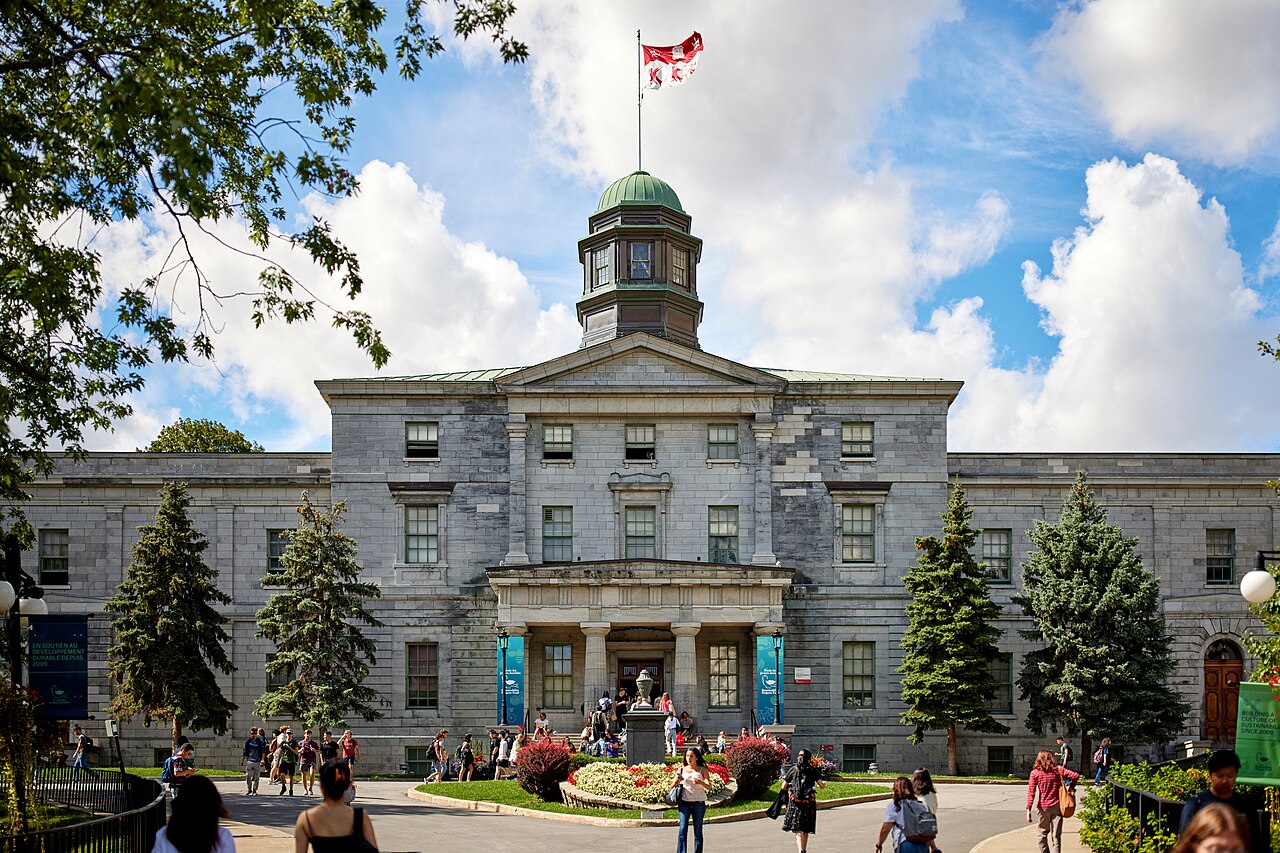
McGill University's Arts Building, a destination for students affected by the Canada study permit cap
Students planning a 2027 start should watch the fall cap announcement.

Why the provincial attestation letter is the key document

Most applicants need a provincial or territorial attestation letter (PAL/TAL) with their study permit application. The IRCC page on attestation letters says the province where you plan to study issues it, and your school helps you obtain it. The letter confirms you have been assigned a space. It is tied to one school and must be valid when you apply.

The timing rule matters for 2027. IRCC says a PAL is generally valid until its expiry or 31 December of the cap year in which it was issued, whichever is earlier. You cannot use a PAL from a previous cap year. The IRCC page contains no information about the 2027 cap year yet. A reasonable reading is that students applying in 2027 will need a letter issued under the 2027 allocations, but confirm this with IRCC once it publishes.

Who does not need an attestation letter

IRCC lists several exemptions. They include primary and secondary students, students in master’s or doctoral programmes at public designated learning institutions since 1 January 2026, and holders of a Global Affairs Canada scholarship. Students in Quebec generally need a Quebec Acceptance Certificate instead. You need a new letter if you change schools, which has applied since 22 January 2025. You do not need one to extend at the same school and level of study.

The costs and rules students ask about

Redim lists a $150 study permit fee and generally $85 for biometrics when required. It also reports first-year living costs of $22,895 outside Quebec, excluding tuition and transport, adjusted each 1 September. Post-graduation work permit language rules also apply: CLB/NCLC 7 for bachelor’s, master’s and doctoral graduates, and level 5 for college graduates. Redim adds that the college route has a field-of-study requirement. Confirm every figure on IRCC’s website before you budget.

How to plan for a 2027 start while the cap is unknown

Consider a hypothetical student, Linh, from Hanoi. She wants a one-year college programme in Ontario starting in September 2027. She has no master’s-level exemption, so she needs a PAL. She should shortlist schools now and ask each one when it expects to receive PAL allocations. She should also keep her funds proof and language results current. Linh is an illustration, not a real applicant.

A master’s applicant at a public institution may avoid the letter altogether. Compare that with Australia, where fees and visa rules are also changing, in our guide to Australia’s student visa reform. Canada’s labour-side rules are moving too, as our report on the work permit freeze in six regions shows. To check your own route, use the visa eligibility checker.

Integrity checks that sit behind the cap

Redim also reports tighter oversight of schools. IRCC found more than 10,000 potentially fraudulent acceptance letters in 2024 and about 4,900 in 2025. Designated learning institutions must report enrolment twice a year, within 60 days, and answer ad hoc requests within 10 days. Since 1 April 2026, students no longer need a separate co-op work permit for a placement that is part of the programme. Redim says this does not increase the number of authorised workers.

Study permit cap questions

Has the 2027 Canada study permit cap been announced?

No. Redim reports that IRCC plans to set the next national cap and the provincial allocations in fall 2026.

What is the 2026 cap?

Up to 408,000 study permits, including 155,000 for new arrivals and 253,000 for extensions, according to Redim.

Do I need an attestation letter?

Usually. IRCC lists exemptions, including master’s and doctoral students at public institutions since 1 January 2026.

Can I reuse a PAL from last year?

No. IRCC says you cannot use a PAL issued in a previous cap year.

What if I change schools?

You need a new PAL. IRCC says this has applied since 22 January 2025.

Sources