Venezuela’s Leader Left Washington Without a Deal or a Vote Date

Venezuela’s interim leader, Delcy Rodriguez, left Washington’s orbit this week without a deal, after a high-profile swing through the United Nations General Assembly in New York produced photographs with President Trump but no signed agreement on debt, energy or mining, and no firm date for the elections she has promised. The trip was her first to the United States since Nicolas Maduro’s removal by US forces in January 2026, and it was meant to show that Caracas’ new government could translate a warm reception in Washington into concrete economic relief.

A high-profile visit, a thin outcome

Rodriguez used her time in New York to press for sovereign debt restructuring, renewed energy partnerships and mining investment, framing the visit as the start of Venezuela’s return to international markets after years of sanctions and isolation. According to Modern Diplomacy’s reporting, she secured high-profile meetings, including with Trump, but departed without a signed agreement on any of her three priorities.

The $2.5 billion question

Among the ideas discussed was a potential $2.5 billion bridge loan from the Inter-American Development Bank to help stabilize Venezuela’s finances during the transition. The proposal drew opposition from some IDB member states, and no commitment was finalized during the visit. Without that bridge financing, or an equivalent private arrangement, Venezuela’s government has limited room to fund reconstruction while sanctions relief remains only partial.

Elections promised, no date given

Rodriguez reaffirmed a commitment to hold free elections but avoided naming a date, a gap that drew criticism from analysts covering the visit. Al Jazeera’s analysis of Rodriguez’s UN appearance noted the political turnaround required for a former Maduro loyalist to now court Washington, and questioned how quickly a credible vote could actually be organized. Analysts covering the trip estimate that organizing credible elections could take more than a year, given the state of Venezuela’s electoral institutions after years of one-party control.

Why Washington is watching the calendar

The lack of a firm election date matters because it is the central condition Washington has attached to further sanctions relief and normalized relations. As one analyst put it, there is real “urgency for her to provide a timeline for voting” — without it, US officials have little basis to argue for lifting the remaining restrictions that are choking off the investment Rodriguez came to New York to unlock.

What happens next

Rodriguez’s political standing at home may now hinge on decisions made in Washington rather than Caracas. If the Trump administration presses for a near-term election date as a precondition for the debt and energy deals still on the table, the interim government will face pressure to set a timeline it currently appears reluctant to commit to. If it does not, expect the current holding pattern — warm photo opportunities, unresolved financing — to continue into the new year, with Venezuela’s economic recovery stalled in the meantime.

More world coverage

Related reading: the Falklands sovereignty dispute, Russia’s 2026 Duma election results, and the stalled Sudan Quintet peace talks.

Venezuela visit questions answered

Did Venezuela and the US sign any agreement?

No. Despite meetings including photographs with President Trump, Delcy Rodriguez left New York without a signed deal on debt, energy or mining.

What is the $2.5 billion loan being discussed?

A proposed bridge loan from the Inter-American Development Bank intended to help stabilize Venezuela’s finances during its political transition. Some IDB member states have opposed it, and no commitment was finalized.

Did Rodriguez commit to an election date?

She reaffirmed a promise to hold free elections but did not name a specific date, which analysts flagged as a key gap from the visit.

How long could organizing elections take?

Analysts covering the visit estimate that organizing credible elections could take more than a year, given the current state of Venezuela’s electoral institutions.

Why does the election timeline matter to Washington?

A credible election date is the central condition the US has attached to further sanctions relief, so its absence limits how far Washington can move on the economic relief Venezuela is seeking.

Sources

A Federal Court Just Told Kalshi It Isn’t Above State Gambling Law

The 6th US Circuit Court of Appeals handed down a Kalshi prediction market ruling on September 25, 2026. It lets states regulate event-contract trading the same way they regulate gambling. The decision rejects Kalshi’s argument that federal oversight of its contracts preempts state gambling law. The Cincinnati-based court’s ruling immediately gives Ohio and Tennessee grounds to treat Kalshi’s sports and event contracts as regulated gambling activity.

Kalshi prediction market ruling affects trading screens showing event contracts

What the Kalshi prediction market ruling decided

Kalshi operates as a federally regulated exchange under the Commodity Futures Trading Commission. It argued that status meant individual states could not layer their own gambling rules on top of its contracts. The 6th Circuit disagreed. It found that states retain the authority to regulate event contracts that function like wagers on sports results and other outcomes. That holds regardless of federal exchange registration. The ruling does not shut Kalshi down. But it opens the door for state regulators in the 6th Circuit’s jurisdiction. They can require licensing, restrict certain contract types, or block the platform outright.

A split among the federal courts

The decision deepens a growing conflict between appeals courts. The 9th Circuit previously found Kalshi subject to Nevada’s gambling laws, aligning with Friday’s 6th Circuit outcome. The 3rd Circuit reached the opposite conclusion, ruling that New Jersey’s gambling statutes do not reach Kalshi’s contracts. Two circuits now sit on one side and a third on the other. Legal analysts say the Supreme Court may eventually need to step in. The question: are prediction markets federally exempt from state gambling oversight nationwide?

Why regulators are moving now

The timing is not coincidental. New York sued a Kalshi competitor, Polymarket, days before the 6th Circuit ruling, accusing it of running an unlicensed gambling operation. New York Governor Kathy Hochul said plainly that “by running an unlicensed gambling operation, Polymarket has done more than just knowingly violate state law.” Prediction markets have grown quickly over the past two years. Retail traders use them to bet on everything from elections to sports outcomes. State attorneys general and gaming commissions have grown more assertive in response. They increasingly treat that growth as a licensing and consumer-protection issue, not a novel financial product exempt from their reach.

What it means for traders and the industry

For everyday users, the immediate effect depends on where they live. Traders in Ohio and Tennessee could see new restrictions on which Kalshi contracts are available to them. That mirrors how online sports betting is already licensed state by state. The split rulings create genuine uncertainty for the broader prediction-market industry’s expansion plans. A platform now has to navigate different legal standards depending on which federal circuit a user’s state falls under. That holds until the Supreme Court steps in, or Congress writes a uniform federal standard.

What comes next for prediction markets

Kalshi has not said whether it will seek a rehearing or push directly for Supreme Court review. A formal certiorari petition, if filed, would take months to resolve. In the meantime, expect other states within the 6th Circuit’s reach to test similar arguments against Kalshi and rivals like Polymarket. Gaming regulators outside that reach are watching too. The New York case against Polymarket will be an early signal. It will show how aggressively states plan to use their gambling laws against this category of trading platform.

Frequently asked questions

What did the Kalshi prediction market ruling actually decide?

The 6th US Circuit Court of Appeals ruled that states can regulate Kalshi’s event contracts as gambling. It rejected the company’s argument that federal exchange registration preempts state oversight.

Which states are directly affected first?

Ohio and Tennessee, both within the 6th Circuit’s jurisdiction, can now apply their gambling laws to Kalshi’s event contracts.

Does this ruling shut Kalshi down?

No. It lets affected states regulate or restrict specific contracts. Kalshi keeps operating in jurisdictions where courts or regulators have not imposed similar restrictions.

Why do different courts disagree on this?

The 9th Circuit sided with state regulation in a Nevada case, matching the 6th Circuit. The 3rd Circuit found New Jersey’s gambling law did not apply to Kalshi, creating a split that could draw Supreme Court review.

Is Polymarket involved in this ruling?

Not directly, but New York sued Polymarket days earlier over similar unlicensed-gambling allegations, showing regulators are pursuing multiple prediction-market platforms at once.

What should traders on these platforms expect?

Traders should expect the availability of certain contracts to vary by state as more regulators test their authority following this decision.

How prediction markets differ from traditional betting

Kalshi and its rivals describe their products as event contracts. These financial instruments pay out based on whether a defined event occurs. The companies market them more like derivatives than a sportsbook wager. Supporters of that framing say event contracts serve a genuine price-discovery function. They let traders hedge real-world risks tied to elections, economic data or corporate outcomes. A traditional bet does not offer that. Critics disagree, including several of the state regulators now asserting authority over these platforms. A contract paying out on a sports score, they argue, is a wager no matter how it is packaged. That is precisely the argument the 6th Circuit accepted this week.

More on this week’s markets

For more on this week’s financial-market backdrop, see our coverage of the stock market’s weekly gains and the bond-market rout in Treasury yields.

Sources

A Magnitude 6.6 Quake Just Rattled the Pacific — What USGS Found

A magnitude 6.6 New Caledonia earthquake struck the Pacific on September 25, 2026, at 21:23 UTC, according to the US Geological Survey. It hit 80 kilometers east-northeast of Tadine at a shallow depth of 10 kilometers. Seismologists watch shallow, offshore quakes like this one most closely for tsunami potential. The USGS rated the alert level Green, its lowest tier, meaning it expected limited casualties and damage.

New Caledonia earthquake magnitude tracked on seismograph monitoring equipment

Where the New Caledonia earthquake struck

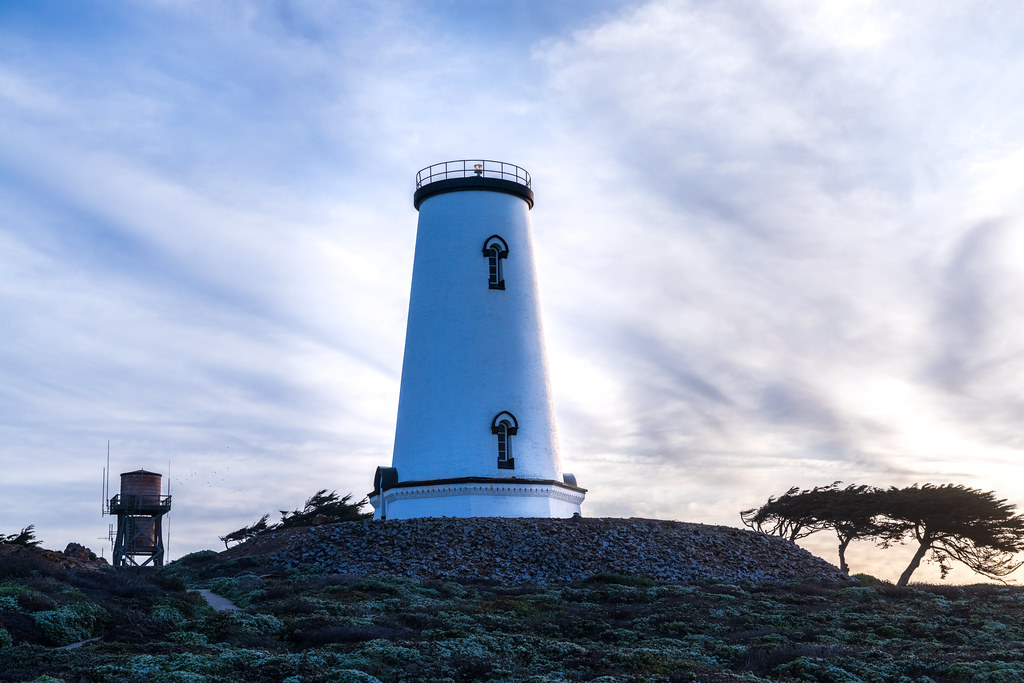
The epicenter sat in open water off Tadine. That town sits on the Loyalty Islands, part of New Caledonia, a French territory roughly 1,500 kilometers east of Australia. The region sits along a seismically active stretch of the Pacific. It has produced moderate-to-strong earthquakes before; a magnitude 7.7 event struck the nearby Loyalty Islands region in 2021. Monitoring networks across the Pacific recorded Saturday’s quake within minutes. Regional tsunami warning centers reviewed the data. They found no grounds for a widespread coastal evacuation.

Why a Green alert still matters

USGS uses its PAGER system to estimate likely fatalities and economic losses within hours of a quake. It color-codes the result from Green through Red. A Green rating for the New Caledonia earthquake means the modeled probability of significant casualties stays low, largely because the epicenter sat offshore and away from dense population centers. That does not rule out localized damage on the Loyalty Islands themselves, where older buildings can be vulnerable even to moderate shaking. Local authorities typically still run on-the-ground damage assessments over the following days, regardless of the automated alert level.

A pattern of Pacific seismic activity this year

The quake adds to a string of significant Pacific Rim events in 2026. That reflects the ordinary background rate of seismicity along the region’s subduction zones, not any single unusual trend. Still, each event draws renewed attention to the Pacific Tsunami Warning Center’s monitoring network. That network continuously screens undersea earthquakes for the depth, magnitude and location that could generate a damaging wave.

What travelers and residents should watch for

Airlines and cruise operators serving the South Pacific routinely monitor USGS and national tsunami center bulletins after any quake above magnitude 6.0 in the region. No advisories were issued for shipping lanes or coastal flights this time, and New Caledonia’s main airport continued normal operations. Residents in low-lying coastal areas still face a standing precaution after any offshore quake: move to higher ground if the shaking itself feels strong or prolonged, rather than waiting for an official alert. A very close offshore quake can generate a local wave faster than warnings can be issued.

What happens in the aftermath

French territorial authorities and New Caledonia’s own civil security services are expected to complete structural inspections of public buildings on the Loyalty Islands over the coming days. Aftershocks are common after a magnitude 6.6 event. They can continue for days or weeks, generally decreasing in size and frequency over time. The USGS updates its earthquake catalog in near real time. Any significant aftershock or revised magnitude will appear there first. Residents and travelers can check that catalog directly rather than relying only on secondhand reports, which is often the fastest way to confirm whether a felt tremor was a new event or simply an aftershock of Friday’s quake.

Frequently asked questions

How strong was the New Caledonia earthquake?

The US Geological Survey recorded it at magnitude 6.6, striking 80 kilometers east-northeast of Tadine at a shallow depth of 10 kilometers on September 25, 2026.

Was a tsunami warning issued?

No widespread tsunami warning was issued. Regional monitoring centers reviewed the earthquake’s characteristics and did not find grounds for a broad coastal evacuation.

What does a Green PAGER alert mean?

It is the USGS’s lowest alert tier, indicating a low estimated likelihood of significant casualties or damage based on the earthquake’s location, depth and magnitude.

Is New Caledonia prone to earthquakes?

Yes. The Loyalty Islands sit in a seismically active part of the Pacific that has produced several moderate-to-strong earthquakes in recent years, including a magnitude 7.7 event in 2021.

Were flights or shipping affected?

No advisories were issued for regional flights or shipping lanes, and New Caledonia’s main airport continued normal operations after the quake.

How earthquakes like this get measured and named

The USGS’s global seismic network automatically logs every earthquake above roughly magnitude 4.5, anywhere in the world, within minutes. Hundreds of monitoring stations triangulate the epicenter and estimate magnitude from the size of the recorded seismic waves. The “80 km ENE of Tadine” description is standard USGS shorthand. Rather than naming a quake after a single town, the agency measures distance and direction from the nearest significant population center to the calculated epicenter. That is why offshore events get described relative to the closest coastal town, even when people felt the shaking across a wider stretch of ocean and coastline.

Pacific travel and shipping coverage on Tamara News

Pacific weather and seismic disruption has been a recurring theme this month — see our reporting on Typhoon Dujuan’s disruption of Tokyo flights and Hurricane Nolo’s impact on Hawaii travel.

Sources

A Judge Just Told the White House It Can’t Pick Its Own Press Corps

A federal judge ordered the Trump administration on September 24, 2026, to restore White House press credentials to journalists from CNN, MS NOW and Politico. The White House press access ruling found the outlets’ hard passes had been “revoked without constitutionally adequate due process.” The order came three days after the three organizations sued over letters that stripped their reporters of building access.

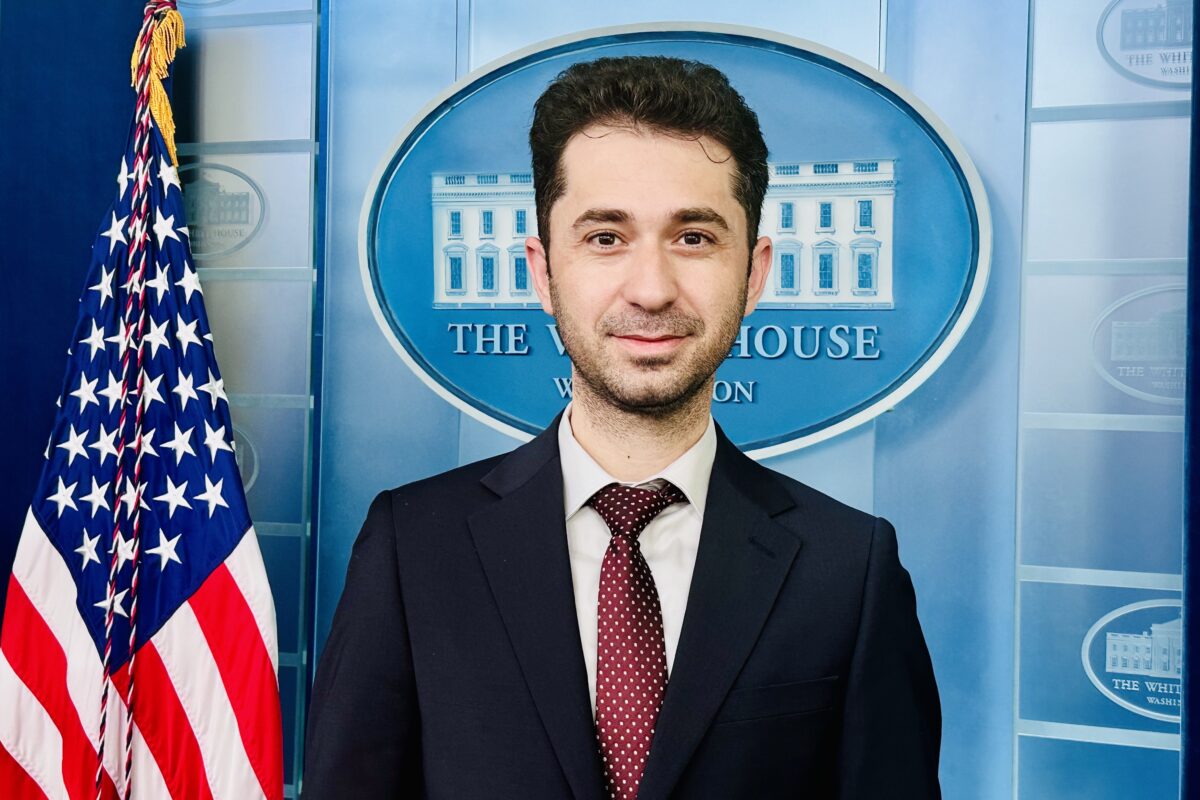
White House press access ruling affects journalists covering the briefing room

What the White House press access ruling actually says

US District Judge Timothy Kelly issued a 14-day temporary restraining order. It compels the administration to let the three outlets back onto White House grounds. He found the ban likely violated the reporters’ Fifth Amendment due-process rights. He also rejected the government’s stated justification. Administration lawyers had argued that “access to the White House is a privilege — not a right.” They accused the outlets of publishing classified details. CNN reported on bunker construction. MS NOW covered munitions used in the Iran conflict. Politico reported on Secret Service planning. Kelly noted that the president himself had instead pointed to “fake news” as his reason for the ban. That undercut the national-security defense.

How the ban started

The White House sent letters revoking the three outlets’ hard passes on September 22, 2026. CNN, MS NOW and Politico sued the next day. Kelly held an emergency hearing on September 23. He issued his order the following morning. Reporters from all three organizations had already been turned away from the grounds that morning. That prompted the outlets to file for emergency relief. They regained access under the court’s order by Thursday afternoon.

Why the White House press access ruling matters beyond three newsrooms

The case tests a legal doctrine that has protected reporters for nearly five decades. The administration is explicitly asking the courts to overturn Sherrill v. Knight. That 1977 ruling bars the White House from denying credentials to working journalists without a fair process. If that precedent falls, future administrations of either party would gain much wider latitude to exclude outlets they find unfavorable. Press-freedom groups and legal scholars are watching that shift closely.

What happens after the restraining order expires

A temporary restraining order is a short-term fix, not a final answer. Kelly’s order runs 14 days. During that window, the court will set an expedited schedule for arguments on a preliminary injunction. That injunction could keep the outlets’ access in place for the duration of the lawsuit. President Trump has said the administration will “go for appeal.” Kelly noted that temporary restraining orders are generally not appealable. That leaves emergency relief from a higher court, or the injunction hearing, as the administration’s more realistic options. Legal analysts say emergency relief is the harder bar to clear.

The bigger press-freedom picture

Global audiences following the story are watching for a signal. It concerns how far an elected government can go in policing its own press corps. Similar disputes have surfaced this year at statehouses and city halls. None has reached the scale of a sitting president trying to redefine credentialing rules at the White House itself. A ruling that survives appeal would likely be cited well beyond Washington, in disputes over government access to reporters in other democracies.

What happens next for CNN, MS NOW and Politico

For now, reporters from the three outlets can move around the White House grounds as before. Their lawyers are preparing for the preliminary-injunction phase. The administration will have to produce more than a letter citing “verifiable falsehoods” to justify a permanent ban. Readers should expect briefing schedules and possible appellate filings over the next two weeks. Those filings will determine whether Thursday’s order becomes a lasting rule or a temporary reprieve.

Frequently asked questions

What did the White House press access ruling change?

It temporarily restored building access and White House press credentials for CNN, MS NOW and Politico after a federal judge found the administration likely violated the outlets’ due-process rights when it revoked their hard passes.

Who issued the order and how long does it last?

US District Judge Timothy Kelly issued a 14-day temporary restraining order on September 24, 2026, with a hearing on a longer-term preliminary injunction to follow.

Why did the White House ban the three outlets in the first place?

The administration said the outlets published information it deemed classified or damaging, including reporting on bunker construction, military operations and Secret Service planning, and argued that White House access is a discretionary privilege.

Is the administration appealing the ruling?

President Trump said the administration would appeal, though the judge noted that temporary restraining orders are generally not appealable, leaving emergency relief or the injunction hearing as the likelier next steps.

What legal precedent is at stake?

The case puts pressure on Sherrill v. Knight, a 1977 ruling that requires the White House to follow a fair process before denying journalists credentials.

Does this affect journalists outside the United States?

Not directly, but legal observers say a ruling that survives appeal could be referenced in disputes elsewhere over government control of press access.

More from Washington this month

For more on how Washington’s institutions are being tested this month, see our coverage of the UN Security Council’s AI briefing and the UN General Assembly address by Israel’s prime minister, both part of a busy month for high-stakes institutional disputes.

Background: how White House credentialing normally works

Outside moments of open conflict like this one, White House credentialing is a routine administrative process. Reporters apply for a hard pass through the White House Correspondents’ Association and the Secret Service. That review runs standard background checks unrelated to the content of a journalist’s reporting. Once granted, a hard pass is rarely revoked. On the occasions it has been challenged before, courts have generally sided with reporters, citing the same due-process concerns Judge Kelly raised this week. That history explains why this case has drawn attention well beyond the three outlets involved. It tests whether that decades-old norm still holds when a president disagrees strongly with specific coverage, rather than with a journalist’s conduct.

Sources

A Hurricane Just Grounded Dozens of Hawaii Flights and Delayed a Cruise Ship

Hurricane Nolo Hawaii flights began being cancelled on September 25 as the slow-moving storm approached the Big Island. Hilo Airport lost at least 21 flights, and airlines across the state issued weather waivers ahead of what forecasters are calling potentially catastrophic rainfall.

How Hurricane Nolo Hawaii flights were affected first

Hawaiian Airlines cancelled 13 flights and Southwest cancelled 8 at Hilo Airport for Friday and Saturday, according to Hawaii News Now’s reporting. Hawaiian Airlines cancelled its final Hilo flight Thursday evening and its first Friday morning flight specifically to avoid having aircraft grounded on the tarmac during the worst of the weather. Airline CEO Diana Birkett Rakow said: “Our highest priority is to make sure that everybody is safe. That means our guests and our teams.”

Bigger carriers waived fees across multiple islands

Hurricane Nolo Hawaii flights airport terminal delays

Delta Air Lines issued weather waivers covering Honolulu, Kahului on Maui, and Kona on the Big Island for flights on September 26 and 27. American Airlines extended similar waivers to the same three airports plus Lihue on Kauai, according to TravelPulse’s coverage. Both carriers are letting eligible travelers change flights without a change fee. American, Delta and United have all extended some form of flexible rebooking to passengers with weekend travel to the islands.

A cruise ship changed course too

Travel disruption has not been limited to flights. Norwegian Cruise Line postponed the September 26 departure of its Pride of America from Honolulu to September 28, shortening the itinerary from seven nights to five, citing “the approaching storm and related restrictions.” The change shows how far in advance cruise operators are adjusting schedules, given how slowly Nolo has been moving toward the islands.

Why this storm is different from a typical pass-through system

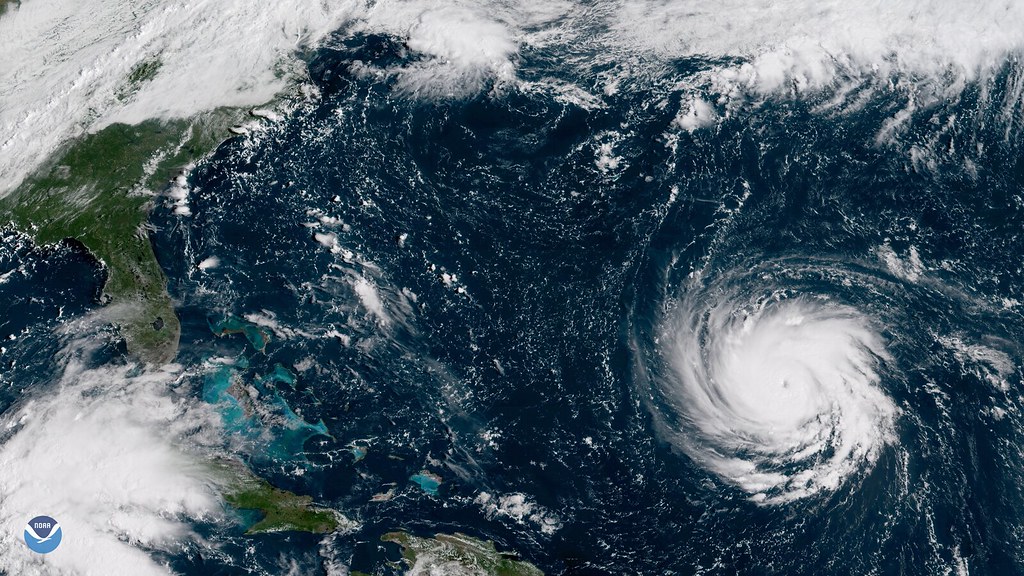
As of Friday morning, Nolo was positioned roughly 250 miles south of the Big Island and moving north at just 5 miles per hour. It had strengthened to Category 1 hurricane status Thursday night, with the potential to intensify further. That slow track matters because it gives the storm more time to dump rain over the same terrain. The National Hurricane Center has warned of “life-threatening, potentially catastrophic flash flooding and mudslides,” particularly in mountainous areas, alongside dangerous surf and damaging winds through the weekend.

Forecasters are projecting up to 35 inches of rain on the Big Island and up to 15 inches on parts of Maui. Those rainfall totals put this storm well beyond routine tropical weather disruption for the islands.

Hawaii County has opened nine shelters across the Big Island, four on Wednesday night and five more Friday morning, including sites in Hilo, Honokaa, Waimea and Ocean View, according to the Hawaii Tribune-Herald. Mayor Kimo Alameda urged residents to finish storm preparations, saying: “We are looking at both the possibility of life-threatening flash flooding and strong, damaging winds.”

What travelers should watch for next

With Nolo still crawling toward the islands rather than making a fast pass, airlines and cruise operators are likely to extend or adjust waivers as the forecast firms up over the weekend. Travelers with Hawaii trips booked in the coming days should check flight status directly with their airline, rather than assuming a booked flight will operate as scheduled. That is especially true for Big Island and Maui routes closest to the projected rainfall bands.

More travel disruption coverage

Related reading: Typhoon Dujuan’s disruption to Tokyo flights, flight disruptions across the northeastern US, and the new TSA REAL ID and ConfirmID fee.

Hurricane Nolo travel questions answered

How many flights have been cancelled so far?

At least 21 flights at Hilo Airport, made up of 13 Hawaiian Airlines flights and 8 Southwest flights scheduled for Friday and Saturday.

Which airlines are offering waivers?

Delta and American have issued fee-free rebooking waivers covering Honolulu, Kahului, Kona and, for American, Lihue, while United has offered some flexible rebooking as well.

Has the storm affected cruise ships?

Yes. Norwegian Cruise Line postponed the Pride of America’s September 26 Honolulu departure to September 28 and shortened the cruise from seven nights to five.

How strong is Hurricane Nolo?

It reached Category 1 strength Thursday night and was classified as a Category 2 storm as it moved slowly toward the Big Island, with forecasters warning it could strengthen further.

How much rain is expected?

Forecasters project up to 35 inches of rain on the Big Island and up to 15 inches on parts of Maui, with the National Hurricane Center warning of catastrophic flash flooding and mudslides.

Storm reporting sources