Two Drones Triggered a New Round of Airstrikes in Lebanon

The Israeli military struck southern Lebanon again on Sunday, September 6. Hezbollah had launched drones at Israeli soldiers stationed in the border security zone. The Israel strikes southern Lebanon operation killed four people and wounded at least 20 others, according to Lebanon’s Health Ministry, cited by Haaretz.

What triggered the strikes

The Israeli military said Hezbollah launched two drones toward its soldiers inside the security zone. No Israeli soldiers were hurt in that attack. Israel called the drone launch “a blatant violation.” It responded with strikes across several areas, including the town of Arab Salim. Residents there had already received evacuation warnings.
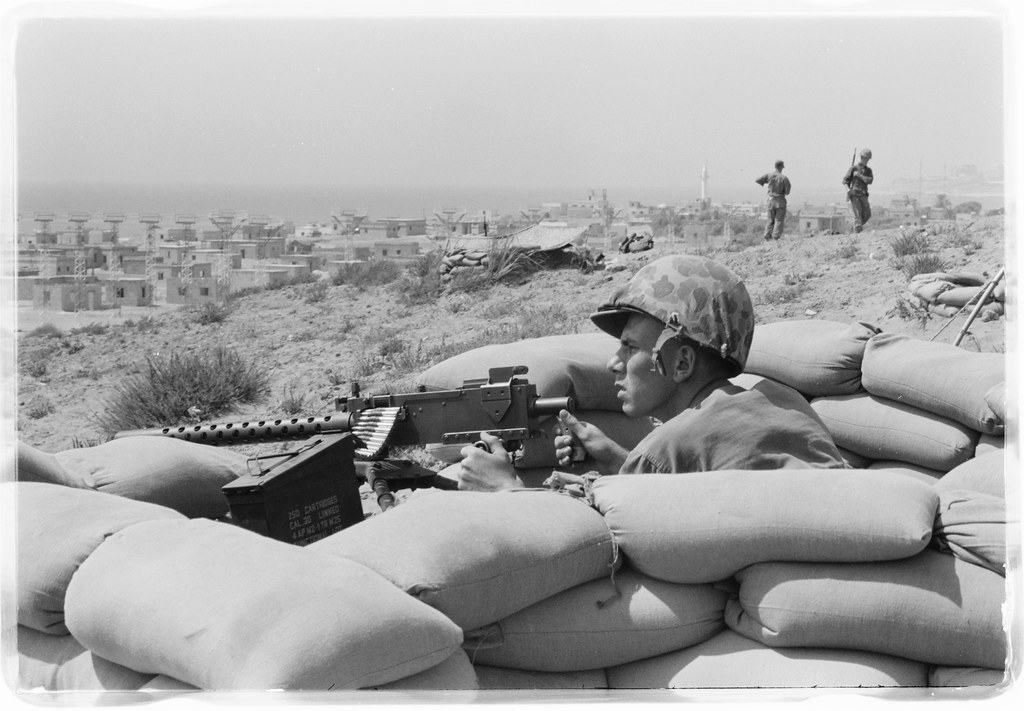
Israel strikes southern Lebanon
Southern Lebanon has seen repeated rounds of strikes despite a standing ceasefire framework.

Israeli warplanes also hit areas around Upper Nabatieh and the outskirts of Kfar Roummane. RTÉ reported the details. The Israeli military said the targeted buildings had links to Hezbollah activity, though it gave few specifics.

How this fits the current ceasefire arrangement

Israel and Hezbollah have operated under a US-mediated ceasefire for months. Both sides have accused each other of violations on a rolling basis throughout that period. Sunday’s exchange stands out. A drone launch from Hezbollah was followed within hours by lethal Israeli airstrikes. That is a sharper pattern than the smaller, contained incidents that have defined most of the ceasefire period.

France 24 separately reported that Lebanese sources put the recent death toll from Israeli strikes in the south at 13. That figure spans a broader window than Sunday’s operation alone. It shows how fluid casualty counts remain as reports arrive from multiple locations at once.

What civilians in the affected areas face

Residents of Arab Salim and nearby villages got Israeli evacuation warnings before the strikes hit. The Israeli military has used this pattern repeatedly in southern Lebanon operations. Warnings reduce casualties, but they do not eliminate them. Some residents cannot leave quickly. Others are unwilling to abandon homes and property on short notice.

What could happen next

Watch whether Hezbollah responds with more drone or rocket fire. That would test whether the broader ceasefire framework survives this exchange or unravels further. US mediators brokered the original ceasefire, and they have a direct interest in preventing a full return to open conflict. Diplomatic pressure on both sides typically intensifies within days of an incident this serious.

Lebanese officials will also face pressure to show they can restrain Hezbollah’s actions near the border, a demand Israel has repeated after nearly every recent incident in the security zone.

The ceasefire’s rocky history

The current Israel-Hezbollah ceasefire has never been fully quiet. Both sides have logged complaints against the other almost every month since it took effect. Most incidents involved small-scale fire that drew limited responses. Sunday’s exchange broke that pattern. A drone launch drew an immediate, lethal air campaign rather than a contained reply.

Lebanese officials have said before that they lack full control over Hezbollah’s actions near the border. Israeli officials counter that Lebanon’s government bears responsibility regardless. That disagreement has never been resolved, and it resurfaces after nearly every incident like this one.

Southern Lebanon’s residents live with that unresolved dispute day to day. Evacuation warnings like Sunday’s have become a recurring feature of life near the security zone. Each new round of strikes adds pressure on families deciding whether returning home is worth the risk.

US mediators face a narrow path here. Push Israel too hard and risk looking weak on security guarantees it has offered in the past. Push too little and risk watching the ceasefire erode incident by incident until it is a ceasefire in name only.

Hezbollah, for its part, faces its own balancing act. It answers to a domestic audience that expects a response to Israeli strikes, while also operating under a Lebanese government that wants to avoid a full return to war. That tension shapes how measured or aggressive its next move is likely to be.

Neither side has framed Sunday’s exchange as a turning point so far. History in this conflict suggests that framing can shift quickly if either side reads the other’s next move as an escalation rather than a one-off response.

For residents in the border villages, the label diplomats choose matters less than whether the strikes stop. That distinction, between a policy debate in distant capitals and daily life under threat, is easy to lose in coverage of any single incident.

Common questions

What started the September 6 strikes in southern Lebanon?

Hezbollah launched two drones at Israeli soldiers in the border security zone. Israel responded with airstrikes across several areas of southern Lebanon.

How many people were killed or wounded?

Lebanon’s Health Ministry reported four people killed and at least 20 wounded in the strikes, according to Haaretz.

Is there still a ceasefire between Israel and Hezbollah?

A US-mediated ceasefire has held for months. Both sides have repeatedly accused each other of violations, and incidents like this one test whether it holds.

Did Israel warn residents before striking?

Yes. The Israeli military issued evacuation warnings for areas including Arab Salim ahead of the strikes.

Where exactly did the strikes hit?

Reported strike areas include Arab Salim, Upper Nabatieh and the outskirts of Kfar Roummane in southern Lebanon.

Sources

  • Haaretz — IDF says it struck southern Lebanon after Hezbollah launched explosive drones. haaretz.com
  • RTÉ — Israel launches fresh strikes on southern Lebanon. rte.ie

Related coverage on Tamara News: the Strait of Hormuz tanker attack and Russia’s latest strikes on Kyiv.
Iran Just Fired on Three US Allies at Once — Here’s Why

Iran fired missiles and drones at three US-allied nations on September 2. The conflict with Washington had already widened fast. The Iran strikes Jordan Bahrain attacks followed new American strikes on Iranian military sites just a day earlier. It marks one of the broadest single-day escalations of the conflict so far, according to Gulf News.

What happened in each country

Jordan’s military said 13 Iranian ballistic missiles entered its airspace. Air defenses intercepted ten of them. Three landed in remote areas, and no one was hurt. Kuwait’s military said its air defenses engaged incoming missiles and drones over its territory. Bahrain reported that its systems intercepted and destroyed Iranian drones before they reached populated areas.

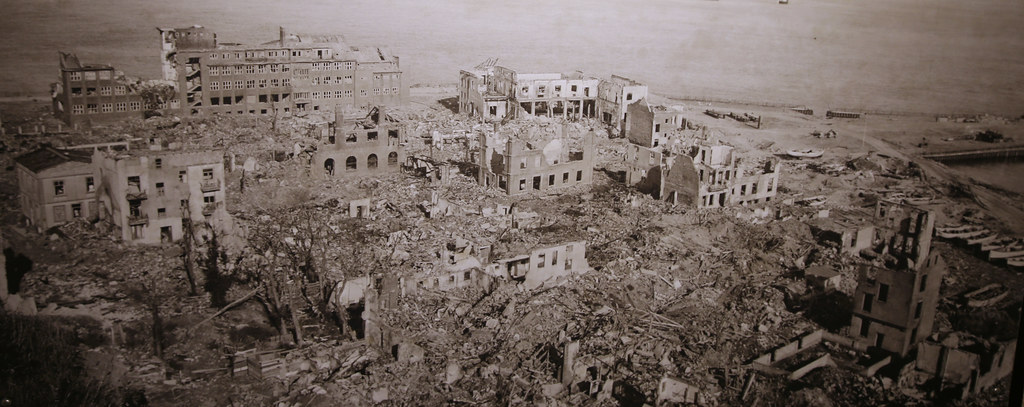
Iran strikes Jordan Bahrain
Regional air defense systems intercepted most of the missiles and drones fired during the exchange.

Al Jazeera reported the strikes followed US attacks on September 1. Tehran says those attacks killed 11 people inside Iran. The retaliation came fast, within roughly a day of the initial US strikes.

Why the Iran strikes Jordan Bahrain wave escalated so fast

Iranian state media framed the attacks as direct retaliation. Officials vowed “severe” consequences for what they called renewed American aggression. None of the three targeted countries hosts large numbers of US combat troops, unlike Iraq or Syria. That is what made the spread notable. Tehran chose to strike US-aligned governments broadly. It did not concentrate fire on American bases alone.

Regional air defense networks intercepted most of the incoming projectiles. Many of these systems were built or upgraded with US and European support over the past decade. That interception rate kept casualties at zero across all three countries, even as more nations were drawn into direct fire.

The bigger picture in the region

This exchange sits inside a wider war. It began after the US and Israel struck Iranian nuclear-linked sites earlier this year. Tehran had declined to halt uranium enrichment under US pressure. Fighting has flared and cooled in cycles since then. Diplomats on multiple sides say intermittent pauses look more likely than a durable ceasefire in the near term.

Where this goes from here

Jordan, Kuwait and Bahrain have not announced retaliation of their own. That is a signal. Each country appears to be avoiding direct combatant status, positioning itself instead as a target rather than an active participant. Airlines serving the Gulf have already adjusted routes because of the wider conflict. Further Iranian strikes on neighboring airspace would likely speed up those changes. Watch closely for any US response to this specific wave. A US counterstrike would mark another rung up the escalation ladder, not a step toward calm.

Insurance costs for shipping and aviation through the region have also climbed with each new round of strikes. That economic pressure adds a quieter but steady incentive for a wider truce, even as the military picture stays tense.

Airlines and shipping firms operating in the region have adjusted routes before during past rounds of this conflict, adding cost and travel time to avoid contested airspace. A wider strike pattern like this one tends to push more carriers toward the same caution, even without a formal government warning telling them to do so.

Governments in Jordan, Kuwait and Bahrain now face a harder balancing act than before. Each depends on close security ties with Washington. Each also wants to avoid becoming a recurring target simply by hosting American interests. That tension is unlikely to ease as long as the broader US-Iran conflict continues.

How the wider war reached this point

This war did not start with the September 2 strikes. It traces back to earlier in the year, when the US and Israel struck Iranian nuclear-linked sites. Tehran had refused to halt uranium enrichment despite US pressure. Iran responded with its own attacks in the following months. Each round has drawn in more of the region.

Gulf states have tried to stay out of direct combat while hosting US military assets. That balancing act got harder this week. Missiles crossed into the airspace of three countries that are not formal combatants in the US-Iran conflict. Analysts say this pattern raises the odds that a miscalculation, rather than a deliberate decision, could widen the war further.

Frequently asked questions

Which countries did Iran target on September 2?

Iranian missiles and drones hit toward Jordan, Kuwait and Bahrain. Each country’s military confirmed the attacks, as did Iranian state media.

Were there any casualties?

No casualties were reported in Jordan, Kuwait or Bahrain. Air defense systems intercepted most of the incoming missiles and drones.

Why did Iran strike these three countries specifically?

Iranian state media described the strikes as retaliation for US attacks on Iranian military targets a day earlier. Officials framed the three nations as hosts to American-aligned interests.

Did the US strike Iran first?

Yes. US forces struck Iranian military installations on September 1. Tehran says the strikes killed 11 people before Iran launched its retaliation the next day.

Is this part of a wider war?

Yes. This exchange is the latest flare-up in a conflict that began earlier in 2026. It followed US and Israeli strikes on Iranian nuclear-linked sites, with fighting easing and resuming in cycles since.

Sources

  • Gulf News — US Strikes Kill 11 in Iran as Tehran Retaliates With Missile and Drone Attacks on Kuwait, Bahrain and Jordan. gulfnews.com
  • Al Jazeera — Iran, US exchange new attacks: Who was hit in latest strikes? aljazeera.com

Related coverage on Tamara News: the Strait of Hormuz tanker attack and how Gulf flight schedules are being affected.

Trump’s Envoys Spent Three Hours With Putin — Here’s What They Want

US special envoys Steve Witkoff and Jared Kushner landed in Moscow on Saturday, September 5. They came to restart stalled Ukraine peace talks. The Witkoff Kushner Moscow talks mark the first face-to-face session between senior Trump administration officials and President Vladimir Putin in months. Negotiations had been frozen for roughly eight months. The Washington Post called the trip the clearest sign yet that Washington wants a deal before winter.

Why the Witkoff Kushner Moscow talks happened now

Russian presidential envoy Kirill Dmitriev met the two Americans on arrival. Putin then spoke with Witkoff and Kushner for three hours inside the Kremlin. Kremlin aide Yuri Ushakov called the session “useful” afterward. He said the American side had “prepared seriously” for the trip. That is a rare public compliment from Moscow toward a US delegation this year.

Witkoff Kushner Moscow talks
Diplomatic visits like this one are increasingly where Ukraine ceasefire terms get decided.

Talks had gone quiet earlier in the year. Both Washington and Kyiv grew frustrated with the lack of progress. This trip signals real urgency from the White House. Officials want movement before fighting settles into another winter stalemate.

A pause in the fighting, tied to the visit

Putin ordered Russian forces to hold fire on Kyiv for three days. The pause began at midnight Saturday. Officials linked it directly to the envoys’ presence. Ukraine matched the gesture. It agreed to hold off on strikes against Moscow through Sunday and Monday. Kyiv said it expected Russia to extend the same restraint in return.

Neither government has called this a ceasefire. Both describe it as a goodwill gesture tied to one visit. It is not a change in broader policy. A three-day pause proves little about what happens once the envoys leave.

What the Americans reportedly brought with them

President Trump hinted before the trip that his envoys carried a written ceasefire proposal. Ukrainian officials said the same. Neither government has released its contents. CBS News reported that Witkoff and Kushner plan to travel on to Kyiv next. It would be their first joint visit inside Ukraine. They intend to present whatever terms Putin discussed directly to President Volodymyr Zelenskyy.

That itinerary matters more than it might seem. Past shuttle diplomacy stalled when messages passed through go-betweens. Nuance got lost along the way. Sometimes one side felt it heard only a filtered version of the other’s position. A direct Kyiv stop removes that risk, at least for this round.

The road from here

Three days buys very little on its own. What matters is whether Kyiv accepts terms Moscow will actually honor once the cameras leave. Ukrainian officials have said before that any ceasefire needs real enforcement. A handshake alone will not hold, they argue, after past pauses collapsed within days.

Watch two things closely. First, does the strike pause survive past Monday? Second, does Zelenskyy’s meeting produce a public response, or only silence? Congress and European capitals will also want to know what Washington offered Moscow for three hours of Putin’s time. Sanctions relief, territorial language, or NATO-related commitments would each reshape the diplomatic map well beyond this single visit.

How past ceasefires here have played out

This is not the first attempt to pause fighting in this war. Earlier rounds of shuttle diplomacy produced short truces that collapsed within days. Each side blamed the other for violations. Analysts who track the conflict say the pattern has repeated at least three times since the war began. A truce gets announced. Strikes pause for a few days. Then an incident, real or disputed, restarts the fighting at full intensity.

What is different this time, according to officials close to the process, is the direct Kyiv stop. Earlier rounds relied on intermediaries passing messages between capitals. That created room for miscommunication. A face-to-face meeting in Kyiv removes one layer of that risk, even if it does not guarantee a different outcome.

Quick questions answered

Who are Steve Witkoff and Jared Kushner?

Witkoff is President Trump’s special envoy for international negotiations. He has led prior Middle East diplomacy for the administration. Kushner, Trump’s son-in-law, now advises on both Middle East and Ukraine-Russia diplomacy.

Did Russia and Ukraine agree to a full ceasefire?

No. Both sides agreed only to a short, mutual pause in long-range strikes on Kyiv and Moscow. It is tied to the envoys’ visit, not a broader deal.

What happens if the talks in Kyiv fail?

Neither government has outlined a fallback plan. Previous failed rounds saw fighting resume at prior intensity within days. A similar outcome is possible here.

Why did talks stall for eight months?

Officials on both sides point to disagreements over territorial lines. Security guarantees have also been a sticking point since talks froze earlier in the year.

Is this the first Trump-era visit to both capitals?

Yes. This is the first trip where Witkoff and Kushner plan to visit Kyiv right after meeting Putin in Moscow, rather than relaying messages separately.

Sources

  • Washington Post — U.S. envoys meet Putin in Moscow, pressing Russia-Ukraine peace talks. washingtonpost.com
  • CBS News — Trump’s envoys Witkoff and Kushner visit Moscow in latest push to end war in Ukraine. cbsnews.com
  • CNN — Witkoff and Kushner to take US peace push to Kyiv after meeting Putin in Moscow. cnn.com

Related coverage on Tamara News: Russia’s latest strikes on Kyiv, the EU’s stalled Russia sanctions renewal, and Germany’s consulate closure with Russia.

Doha’s Entire Metro Network Costs Just QAR 6 a Day — Here’s the Catch

Doha Metro fares top out at QAR 6 a day. That’s true no matter how many times you tap in. It makes Qatar’s driverless rail network one of the cheapest ways to get around the capital. But the ticketing system has more moving parts than that headline number suggests. There are three carriage classes, two card types, and three lines that don’t all go where visitors expect. Here’s what actually happens at the gate.

How Doha Metro fares break down by class

Every station sells the same basic ticket in three flavours: Standard, Family and Goldclub. Doha Metro fares for Standard and Family carriages cost QAR 2 per journey. The system caps a full day of standard travel at QAR 6, no matter how many trips you take. Goldclub carriages cost more. A Goldclub journey runs QAR 10, capped at QAR 30 a day. The Goldclub card itself costs QAR 100. A Standard card costs QAR 10. Both card prices sit on top of the per-ride fares above. Riders load either card at station vending machines or licensed retailers before boarding. Qatar Rail runs a strict tap-in, tap-out system. There is no cash payment on the platform.

Interior of a Gold Class carriage covered by higher Doha Metro fares
Photo: Zairon / Wikimedia Commons, CC BY 4.0

Doha Metro travel cards and passes explained

A Standard card works for both Standard and Family carriages. It just doesn’t unlock the Goldclub option. That needs its own card, sold only at Goldclub desks inside stations. Frequent riders can skip the per-trip fare altogether. A weekly pass costs QAR 40. A 30-day pass costs QAR 120. An annual pass costs QAR 990. All three cover the metro and the connected Lusail tram. Cards top up at platform vending machines, through the Qatar Rail app, or online at the operator’s top-up page. Children under five ride free. From age five, they pay the same fare as an adult.

The three Doha Metro lines and where they go

Qatar Rail runs three lines across 37 stations. Together they cover roughly 76 kilometres of track. The Red Line is the longest, and it matters most for arrivals. It runs 40 kilometres from Al Wakra in the south to Lusail in the north. It also connects Hamad International Airport directly to the city centre. The Green Line runs from Al Mansoura in the east to Al Riffa’s Mall of Qatar in the west. It passes Education City, Hamad Hospital and the Qatar National Library. The Gold Line links Ras Bu Aboud to Al Aziziyah. Stops include the Qatar National Museum, Souq Waqif and the Khalifa International Stadium precinct at Sport City. Msheireb station connects all three lines. Al Bidda links only the Red and Green lines.

Getting through the Doha Metro gate without guesswork

Every gate needs a tap in and a tap out. That’s true even on a flat-fare day when the cost won’t change again. Skip the tap-out, and the system charges the maximum fare for that class on exit. Qatar Rail’s own advice is to check its app for exact daily hours. Hours shift around Friday prayers, Ramadan and major events. One thing stays fixed on every current schedule: a shortened Friday morning, with services starting only in the early afternoon after prayers.

Getting to the station is part of the cost equation too. Free Metrolink buses feed several outlying stations that sit beyond walking distance. Qatar Rail’s own metroexpress ride-share service covers the last mile for others. Both plug into the same ticketing system, and neither one changes the daily fare cap described above.

What happens next for Doha’s transport network

Qatar Rail has confirmed plans for a fourth line. Roughly 60 additional stations are planned, though no firm opening date has been published yet. Until then, the existing network already covers most of what a visitor or new resident needs, from the airport corridor to the museums along the Gold Line. The metro is also just one piece of a broader shakeup in how people move around the capital, alongside the ride-hailing apps Qatar licensed this year. Weighing the metro against Karwa’s metered taxi fares, or the door-to-door options from Hamad International Airport, shows why so many residents default to a Standard card for daily trips. Taxis stay the backup for late-night runs after the metro closes.

Doha Metro fares FAQ

How much are Doha Metro fares for a single ride?
Standard and Family class cost QAR 2 per journey, capped at QAR 6 for unlimited rides in one day.

What’s the difference between the Standard and Goldclub card?
The Standard card covers Standard and Family carriages at QAR 2 a ride. The Goldclub card unlocks the premium carriage at QAR 10 a ride. It costs QAR 100 to buy, against QAR 10 for a Standard card.

Do children pay Doha Metro fares?
Children under five travel free. From age five, they pay the same fare as an adult.

Which line goes to Hamad International Airport?
The Red Line connects the airport to the city centre and continues north to Lusail.

Are there weekly or monthly passes?
Yes. A weekly pass costs QAR 40, a 30-day pass costs QAR 120, and an annual pass costs QAR 990. All three cover the metro and the Lusail tram.

What happens if I forget to tap out?
The system charges the maximum fare for that class. Tapping out matters even on a day when the fare has already hit its cap.

Sources:

Missed the Disney Settlement? You’ve Still Got Time for This One

Several class action settlements September consumers have been watching are now moving through their claim windows. Payouts tie to Disney, Equifax and Tesla this round. Two of the three deadlines have already passed as of this week. One major settlement, though, remains open for claims right now.

The class action settlements September deadlines already closed

Disney agreed to a $50 million partial settlement fund. It resolves allegations that its conduct raised prices for streaming live pay-TV services. That claim deadline was September 3, and it has now passed, according to Yahoo Finance. A second settlement closed even earlier. The Equifax settlement covers consumers mailed a Duplicate Reporting Letter in August or September 2022. It required an official notice ID beginning with “EQB” plus a PIN to file a claim online. That window closed September 1. Anyone who missed either date is no longer eligible for a payout.

The Tesla settlement still accepting claims

US dollar bills, representing payouts from this round of class action settlements September consumers can still claim

Tesla’s settlement remains open through September 25, 2026. That gives affected owners more time to file a claim. The case concerns specific allegations against Tesla. It allegedly charged Supercharger idle fees improperly to early vehicle purchasers. Those purchasers had been promised free lifetime Supercharging. Tesla then disabled or threatened to disable their Supercharger access over unpaid fees, according to Top Class Actions.

Who actually qualifies for the Tesla payout

The Tesla settlement is narrowly defined, so read the fine print carefully. It applies only to a specific California class. Eligible owners received a Tesla before December 16, 2016, and continued owning it after that date. They also needed to be California residents as of June 21, 2021. On top of that, they must have purchased under one of three specified Supercharger contract descriptions. Owners outside California do not qualify. Neither do those who bought vehicles after the cutoff date.

Settlement funds that go unclaimed after the deadline typically revert to the defendant company or get redirected to a court-approved charity, depending on the terms of each individual settlement agreement. That structure gives companies an incentive to keep notice periods relatively short, since the earlier a claims window closes, the sooner any unclaimed funds settle their final disposition.

Why so many settlements land in the same month

September’s cluster of settlement deadlines is partly coincidental. It is also partly a function of how class action timelines actually work. Cases that settled months or years earlier often converge on similar notice-and-claim periods. That happens as courts finalize approval and administrators open claim portals around the same time. Consumers should expect a similar wave of unrelated settlements most months, not just September specifically.

Both cases remain subject to final court approval before any money moves, a step that typically follows the claims deadline by several months. Class members who did file on time should expect payment notices only after a judge signs off on the settlement’s final terms.

What to do if you missed the Disney or Equifax deadlines

Missing the September 1 or September 3 windows means no late filing, typically. Once a settlement’s claims-administration deadline passes, there is usually no way around it. The practical next step is simple: watch for future settlements in the same space. Both credit-reporting and streaming-pricing litigation remain active legal areas. Filing promptly whenever a new claim period opens is the best strategy going forward.

Consumer advocates recommend signing up for settlement-tracking alerts through nonprofit or legal-aid organizations, since notice letters mailed by administrators do not always reach current addresses. Missing a filing window over an outdated address is one of the most common reasons eligible consumers never collect money they are owed, according to consumer attorneys who handle these cases regularly.

FAQ: what’s covered and what’s not

Can I still file for the Disney or Equifax settlements?
No. The Disney claim deadline was September 3, 2026. The Equifax deadline was September 1, 2026. Both have already passed.

Is the Tesla settlement still open?
Yes, the claim deadline for the Tesla Supercharger settlement is September 25, 2026.

Who qualifies for the Tesla settlement?
Only a defined California class qualifies. Eligible owners received a Tesla before December 16, 2016, kept it past that date, were California residents as of June 21, 2021, and had one of three specified Supercharger contracts.

What was the Disney settlement about?
It resolved allegations that Disney’s conduct raised prices for streaming live pay-TV services, with a $50 million partial settlement fund.

What was the Equifax settlement about?
It covered consumers mailed a Duplicate Reporting Letter by Equifax in August or September 2022.

Where can I check for new class action settlements?
Settlement administrators and consumer-law trackers regularly publish new claim windows as cases finalize. Checking periodically is the only way to catch a new filing period in time.

For related consumer and business coverage, see our reporting on the FTC’s case against Amazon over advertiser overcharging and Microsoft’s September cloud outage.

Featured image: Joe Gratz, CC0, via Wikimedia Commons.