
Author: Francisca Samuel

Francisca Samuel is an editor at Tamara News, where she covers immigration, travel, business and technology news for readers across Africa and the Gulf.

Russia Just Hit Kyiv for a Sixth Straight Night — Six of the Dead Were Rail Workers

Russia Kyiv strikes September attacks killed at least 12 people on Tuesday. Dozens more were wounded as Moscow’s bombardment of the Ukrainian capital entered a sixth consecutive night. Ukrainian officials said the barrage mixed jet-powered drones with ballistic missiles. It hit a rail depot and an ordinary five-story apartment building in the same wave.

President Volodymyr Zelensky said six of the dead were railway workers caught at the depot. The toll underscores a shift: the strikes increasingly target infrastructure that keeps the country running, not only military sites.

Russia Kyiv strikes September: what was hit and who died

Bloomberg reported that Tuesday’s attack was the sixth straight night of bombardment against Kyiv and its suburbs. Air defense crews described an unusually dense mix of decoy drones and live warheads designed to overwhelm interceptors. The Kyiv Independent put the confirmed death toll at 12, including the six rail workers. The number of wounded kept climbing as rescue crews cleared rubble.

Kyiv skyline pictured during the period of Russia Kyiv strikes September escalation

Kyiv cityscape photo: Valerii Tkachenko, CC BY 2.0, via Wikimedia Commons.

Why the bombardment is escalating now

Russian President Vladimir Putin claimed his forces have seized roughly 270 square kilometers of territory in Donetsk in recent weeks. He said they have surrounded a large group of Ukrainian troops there. Kyiv disputes the scale of those claims. But the ground fighting in the east has coincided with a sharp rise in long-range strikes on the capital. Ukrainian officials read this as pressure meant to force concessions at the negotiating table rather than on the battlefield alone.

Ukraine’s air force says it intercepted most of the incoming drones and missiles. The sheer volume of the barrage let a portion through, including the warhead that struck the residential building. Kyiv has repeatedly asked Western partners for more Patriot interceptor batteries. Tuesday’s strikes renewed that appeal.

The human cost beyond the death toll

Rail workers make up an unusually large share of Tuesday’s victims. Russian missiles have repeatedly targeted freight and passenger rail infrastructure this year. The goal appears to be disrupting the movement of both military supplies and civilians. Local officials say several rail lines out of Kyiv remain suspended while crews inspect damaged track and signaling equipment.

City authorities have opened additional shelters for residents whose homes were damaged. Utility crews are working to restore power to blocks near the residential strike site. Ukrainian officials have not said whether the rail depot will be back in service within days or weeks.

How the war economy is absorbing the damage

Ukraine’s rail operator has diverted freight through alternate routes to keep grain and fuel shipments moving despite the damaged depot. Insurers covering Ukrainian infrastructure have flagged rising claims tied to repeated strikes on transport and energy sites this year. Reconstruction planners say each new wave of damage adds to a rebuilding bill that independent estimates already put well into the hundreds of billions of dollars. Kyiv’s city government has asked international donors for emergency generators and rail-repair equipment on top of existing aid packages.

The war has now stretched well past initial expectations on both sides. Repeated rounds of talks have failed to produce a lasting ceasefire. Ukrainian officials say they remain open to negotiations but will not accept terms that reward continued strikes on civilian infrastructure. Western governments have periodically floated new sanctions packages targeting Russia’s energy exports, though enforcement gaps mean Moscow has continued to find buyers for its oil. Kyiv’s allies say the current strikes make it harder to build political support at home for further sanctions relief discussions. Public attention keeps returning to civilian casualties rather than battlefield lines.

What comes next as the barrage continues

Ukrainian officials expect the current wave of strikes to continue as long as Russia keeps making battlefield claims in Donetsk it wants to reinforce politically. Diplomatic channels remain open, including discussions on the sidelines of recent multilateral meetings. Neither side has signaled a near-term ceasefire. Related coverage includes our reporting on the Ukraine weapons depot strike earlier this year and the opening of the UN General Assembly, where the war is expected to feature prominently.

Western allies have condemned the strikes on civilian infrastructure. Several governments have repeated calls for additional air-defense support to Kyiv. Ukraine’s rail network carries not just passengers but also grain exports that move through Black Sea ports. Repeated strikes on depots raise concerns about wider disruption to Ukraine’s agricultural trade. Officials in Kyiv say they are prioritizing repairs on lines that connect directly to export routes, even as strikes continue elsewhere in the network.

Common questions about the strikes

How many people died in the latest Kyiv attack?
At least 12 people were killed, including six railway workers, with dozens more wounded.

What did the strikes target?
Ukrainian officials say the barrage hit a rail depot and a residential apartment building among other sites across the capital region.

Why has Russia intensified strikes on Kyiv?
The escalation follows Russian claims of territorial gains in Donetsk. Ukrainian officials view it as an attempt to add battlefield leverage ahead of any negotiations.

Is Ukraine’s air defense holding up?
Ukraine says it intercepts most incoming drones and missiles. Large mixed barrages have let some warheads through, prompting fresh requests for more Patriot batteries.

Are rail services disrupted?
Yes. Several lines out of Kyiv remain suspended while crews repair damaged track and signaling equipment.

Is a ceasefire close?
No. Diplomatic contacts continue, but neither Kyiv nor Moscow has signaled a near-term halt to strikes or ground operations.

Sources:

Nepal’s Flood Death Toll Just Passed 1,000 — Nearly 4,000 People Are Still Missing

The Nepal flood death toll has passed 1,000. Nearly 4,000 people remain missing after a glacial collapse sent a wall of water down the Bhotekoshi and Trishuli river corridors in late August. The disaster also struck across the border in Tibet, where Chinese authorities have confirmed a smaller but significant toll.

A rock-and-ice avalanche broke loose from a glacier near the Nepal-Tibet border. It blocked a mountain river, then the buildup burst downstream without warning. The surge tore through settlements along roughly 72 kilometers of the Trishuli River. It destroyed the Gyirong border checkpoint and buried whole stretches of road and farmland under mud.

What the Nepal flood death toll looks like right now

Nepal’s disaster authorities have confirmed more than 1,050 deaths inside the country. Nearly 3,900 people are still missing, according to CNN. Tibetan authorities have logged 16 deaths and more than 500 missing across the border. Mass burials began over the weekend after morgues in the affected districts ran out of space. Rescue teams from India and China have joined Nepali army units, and crews are working the debris fields by hand.

Himalayan river valley near the region hit by the Nepal flood death toll disaster

Himalayan river valley photo: Vyacheslav Argenberg, CC BY 4.0, via Wikimedia Commons.

CBS News reports that at least 700 of the missing are foreign nationals. Many are trekkers and guides who were caught along popular Himalayan routes when the water hit. Crews have airlifted eight foreign nationals to hospitals in Kathmandu so far, and several governments have confirmed citizens among the missing.

Why a glacier triggered this flood

Nepali geologists say the Lhende Khola river system has flooded twice in fourteen months. Unstable ice above the valley triggered both events. This time, a chunk of glacier calved off and dammed the river. The blockage then let go all at once, sending a flash flood downstream with almost no warning time for villages below. Scientists studying the region link the rising frequency of these glacial dam failures to a warming climate that is destabilizing high-altitude ice across the Himalayas.

The rescue and recovery effort underway

Helicopters are running repeated sorties into the Bhotekoshi and Trishuli valleys. Landslides have cut the main roads in several places, so crews now carry supplies in on foot. Nepal’s government has declared the affected districts disaster zones and asked for international help with search equipment and temporary shelter. Tens of thousands of people have lost homes, farmland, or both.

Health officials are racing to prevent outbreaks of waterborne disease in crowded relief camps. Clean water and sanitation remain scarce a week after the flood hit. Aid groups expect the confirmed death toll to keep climbing for weeks, since search crews may never recover many bodies from the river system.

The economic toll beyond the missing-persons count

Local officials estimate thousands of hectares of farmland now sit under silt and debris, wiping out crops just weeks before the autumn harvest. Small hydropower stations along the Trishuli River have also gone offline, cutting electricity to towns that were not directly hit by the flood. Insurance analysts say the rebuilding bill will likely run into hundreds of millions of dollars once damaged roads, bridges, and irrigation channels are added up. Nepal’s tourism board has already logged a wave of trekking cancellations for the autumn season. That period normally accounts for a large share of annual visitor income.

What happens next for Nepal’s flood response

Nepal’s parliament is expected to debate emergency relief funding this week. Donor governments have begun pledging money and equipment. Rebuilding the destroyed Gyirong checkpoint and the roads feeding the valley will likely take months. That work will cut off a stretch of the China-Nepal trade and trekking route in the meantime. Meteorologists are also watching the wider Himalayan glacier belt, since similar unstable conditions exist in several other valleys.

Travelers with existing bookings in the affected trekking regions should check with tour operators directly. Several routes remain closed for safety inspections. Related coverage on natural hazards and travel safety is available in our report on the Grand Canyon flash flood and our rolling Middle East travel advisory.

Nepal’s mountainous terrain makes this kind of disaster especially hard to manage. Steep valleys limit vehicle access. The same slopes that funneled the floodwater downstream now block relief convoys with fresh landslides. Search teams say each new landslide can erase hours of progress toward reaching isolated villages. Additional rain could destabilize slopes that are already saturated. Regional trade has also slowed, since the Kathmandu-Kerung highway that normally carries goods between Nepal and Tibet runs directly through the damaged corridor. Local traders say they are rerouting shipments through longer, more expensive paths while repair crews assess the road.

Quick answers on the Nepal floods

How high is the confirmed Nepal flood death toll?
Nepali authorities have confirmed more than 1,050 deaths inside Nepal, plus 16 in Tibet. Officials expect the number to rise as search teams reach more debris fields.

How many people are still missing?
Close to 3,900 people are listed as missing in Nepal and more than 500 in Tibet. Officials caution some names may be duplicated across lists.

What caused the flooding?
A glacier near the Nepal-Tibet border partially collapsed. It temporarily dammed a river, and the blockage then failed, releasing a flash flood downstream.

Are foreign tourists affected?
Yes. At least 700 of the missing are believed to be foreign nationals, many caught on Himalayan trekking routes when the flood hit.

Is it safe to travel to the region now?
Several trekking routes and roads remain closed. Travelers should confirm current conditions with tour operators and local authorities before departure.

Could a similar flood happen again nearby?
Scientists say similar unstable glacier and ice-dam conditions exist elsewhere in the Himalayas. A repeat event in another valley has not been ruled out.

Sources:

The Grand Canyon Flood Nobody Saw Coming

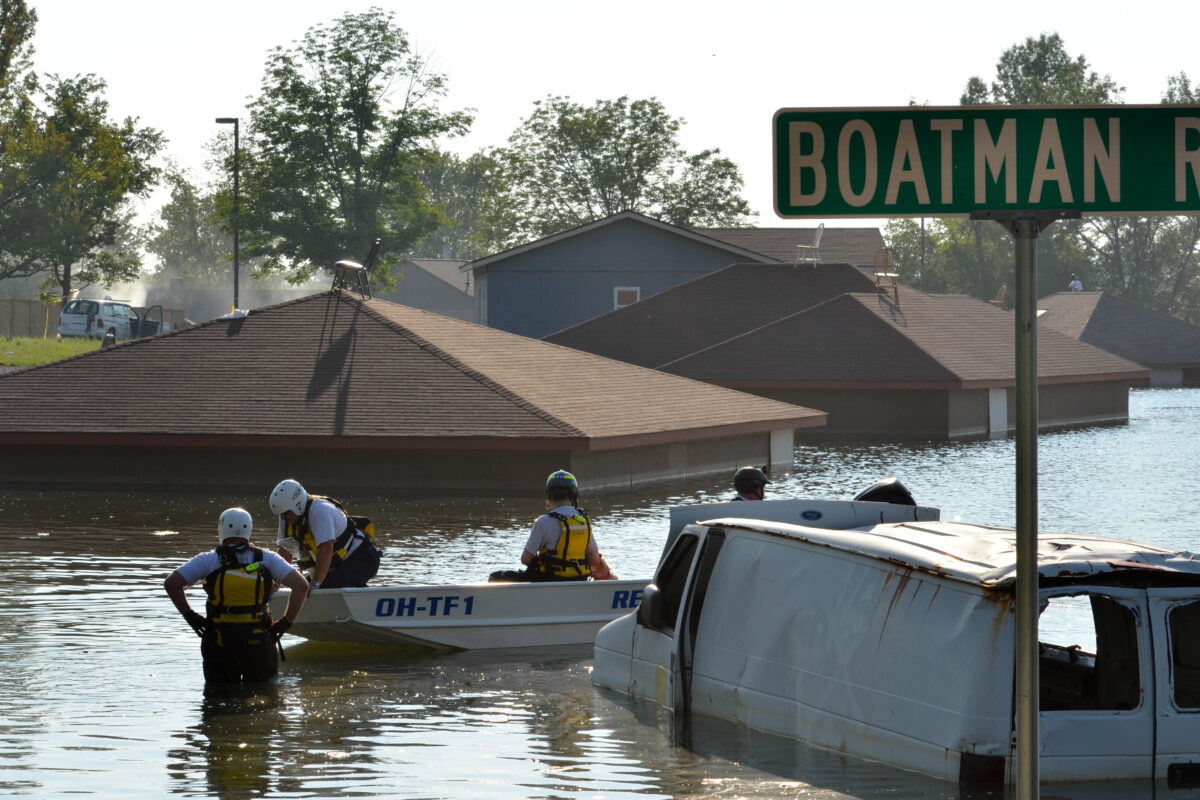
A wall of water hit one of the Grand Canyon’s most popular backcountry areas without much warning. The Grand Canyon flash flood struck Bright Angel Creek at roughly 2:30 p.m. on August 29. It killed at least one person. The National Park Service airlifted 62 people to safety from the Phantom Ranch camping area and the lower North Kaibab Trail.

Severe monsoonal storms triggered the flood. Rain fell at up to one inch per hour in places. About half an inch to a full inch fell in just 30 minutes, in a steep, rocky stretch of the canyon, according to the National Park Service’s own incident report.

Grand Canyon flash flood

What caused the Grand Canyon flash flood

Arizona’s summer monsoon season regularly brings intense, short-lived storms to the Grand Canyon region. This one landed directly over Bright Angel Canyon’s drainage. The terrain amplified the danger. Steep walls funnel rainfall into narrow creek beds fast. Hikers and campers get little time to reach higher ground once a storm cell develops overhead.

The Park Service called the damage to water infrastructure “extensive.” Pipes and pumping systems serving the Phantom Ranch area took the brunt of it. Those systems supply drinking water to one of the canyon’s only backcountry lodges.

How the rescue operation unfolded

Park rangers and emergency crews moved quickly once the flood hit. Helicopters lifted 62 people out of Phantom Ranch and the lower North Kaibab Trail. Roughly 15 people went missing in the chaos that followed, per ABC News’s reporting on the search effort. Crews located all but one of them by the following Monday night, according to updated CBS News coverage.

The National Park Service closed Phantom Ranch and the North Kaibab Trail entirely. Crews needed the closure to assess damage and search the area safely. Both closures remained in effect as of early September. Officials have not announced a confirmed reopening date.

What happens next for canyon visitors

The Park Service has warned that additional thunderstorms remain possible through the rest of the monsoon season. Officials flagged ongoing risk of more flash flooding, debris flows and rockfall in the affected area. Trail and river conditions could keep changing with little notice.

Visitors with permits or reservations tied to Phantom Ranch or the North Kaibab corridor should check the park’s official alerts before traveling. Backcountry rangers are advising hikers canyon-wide to build extra buffer time into any trip through narrow drainages during the remaining monsoon weeks. This flood developed unusually fast, and rangers want that lesson to stick.

Why this flood was harder to predict than most

Monsoon flash floods are a known summer risk at the Grand Canyon. This one’s speed still stood out. Storm-to-flood timing in narrow slot terrain can run under an hour. That leaves a much smaller warning window than flooding on open ground. Hydrologists who study the region point to the canyon’s geology. Sheer walls funnel rain into narrow channels fast. That geology is exactly what makes the canyon so exposed to fast floods, even from storms that would cause only modest flooding elsewhere.

Search and rescue coordinators at Grand Canyon National Park say the same drainage pattern has produced dangerous flash floods before. This combination of rainfall intensity and visitor density in one place at one time is rare. Phantom Ranch sits at the bottom of the canyon along a popular corridor trail. A flood there can catch far more people at once than a flood in a less-visited side canyon. It is another reminder that US travel disruptions this season are not limited to airlines managing overseas security risk or regional travel advisories; domestic weather can ground a trip just as fast.

What backcountry travelers should know before their next trip

Grand Canyon rangers recommend checking the park’s flash flood potential rating before any hike into narrow canyon terrain during monsoon season, which typically runs from June through September. That rating updates daily and reflects current soil saturation and storm forecasts together, not just rainfall alone. Hikers already inside a narrow drainage when a storm builds should move to higher ground immediately. Don’t wait to see how heavy the rain gets. This flood’s warning window was measured in minutes, not hours. Park staff say that single habit, moving early rather than waiting to confirm danger, is the biggest factor separating close calls from tragedies in canyon terrain.

FAQ

When did the Grand Canyon flash flood happen?

On August 29, 2026, at approximately 2:30 p.m. MST.

Where did the flood strike?

Bright Angel Creek, near the Phantom Ranch camping area and the lower North Kaibab Trail.

How many people were evacuated?

Sixty-two people were airlifted to safety by the National Park Service.

Were there any deaths?

Yes, at least one person died. As of the following Monday night, all but one of the initially missing had been accounted for.

What caused the flood?

Severe monsoonal storms dropped up to an inch of rain per hour over a steep section of the canyon.

Is Phantom Ranch open to visitors now?

No. The National Park Service closed Phantom Ranch and the North Kaibab Trail, with no confirmed reopening date as of early September.

Flying Through Beirut? Here’s KLM’s New Extended Alert

Travelers booked through Beirut have another month of uncertainty ahead. KLM Beirut flight disruptions now extend through Monday, September 28, 2026, according to KLM’s own travel alert page. The airline has kept an active disruption notice in place since late February because of the security situation in the region. Passengers holding tickets to, from or via Beirut (BEY) within the affected window can access rebooking and refund options directly through the airline.

KLM is not flying solo in this caution. Air France suspended routes to Riyadh, Dubai and Beirut in July. A broader group of international carriers has cancelled or suspended Middle East flights at various points. That follows renewed US-Iran hostilities earlier in the year, according to reporting from Euronews and Gulf Business.

KLM Beirut flight disruptions

Why the KLM Beirut flight disruptions have lasted so long

The current disruption window traces back to February 2026. US and Israeli strikes on Iran triggered a wave of regional flight suspensions across multiple carriers that month. What began as a short-term precaution has become a rolling, repeatedly extended policy. That reflects how unsettled the security picture in Lebanese and wider Levantine airspace has remained through the year. The National reported that, as of September 1, several international airlines were still weighing which Middle East routes to resume and which to keep grounded.

The persistence of the disruption window is itself a data point. Airlines typically shorten these advisories once risk assessments improve. KLM extended rather than lifted its Beirut policy, which suggests carriers see continued volatility rather than a clear de-escalation trend.

How this fits the wider pattern of Middle East travel risk

Beirut is one entry on a longer list of regional disruptions travelers are navigating this year. Eleven countries carried a single coordinated advisory in August, a pattern covered in our August Middle East travel advisory report. The underlying driver, periodic exchanges of fire tied to the broader Iran conflict, has not resolved. Escalating strikes around the Hormuz Strait remain the single biggest variable shaping whether airlines extend, tighten or eventually lift these policies.

Travelers booking any Levantine or Gulf itinerary this fall should expect continued volatility rather than a fixed timeline. These advisories have already been extended past their original end dates several times.

What happens next for affected travelers

Passengers with existing Beirut-linked bookings should check KLM’s travel alerts page directly. They should not assume their original itinerary will operate as scheduled, since rebooking and refund windows shift each time the airline updates its policy. Travel advisers recommend booking refundable fares for any regional itinerary through at least the end of September. That is based on the pattern of rolling extensions seen since February.

Airlines have not indicated a firm date for resuming full Beirut service. Industry analysts say any resumption will likely be gradual. It would start with reduced frequency before returning to a normal schedule, rather than a single date when disruptions simply end.

How other regional carriers are handling the same risk

KLM’s approach is a single rolling alert covering rebooking and refunds, rather than an outright route cancellation. It is one of several strategies airlines have adopted for Levantine and Gulf routes this year. Air France chose full route suspension for Riyadh, Dubai and Beirut in July instead of a conditional alert. That is a more conservative stance, avoiding the operational complexity of standing ready to resume service on short notice. Gulf-based carriers have generally kept more Middle East routes active throughout the year. They adjust flight paths around specific airspace closures rather than suspending entire city pairs, according to Gulf Business’s ongoing tracking of the region’s flight status.

The divergence in approach reflects each airline’s own risk tolerance and hub geography, as much as a shared read on the underlying threat. Carriers based farther from the conflict zone, like KLM and Air France, have generally erred toward caution. Airlines headquartered within the region have continued operating with heightened but not halted schedules. That is a distinction worth knowing for travelers comparing options on the same route.

Travel insurers have also adjusted how they price policies covering the affected routes. Several major providers now require an explicit disclosure if a booked itinerary includes a Beirut connection during the active alert window. That comes from travel-industry reporting on the broader disruption pattern. Travelers should check their policy wording carefully. Some policies exclude claims tied to a destination already under a published travel alert at the time of booking. A quick call to the insurer before booking can settle the question either way. It is a five-minute check that can save a much longer dispute later.

FAQ

How long do the KLM Beirut flight disruptions run?

Through Monday, September 28, 2026, based on KLM’s current travel alert.

Can I rebook or get a refund if I’m affected?

Yes, KLM offers rebooking and refund options for tickets to, from or via Beirut within the disruption window.

When did the disruptions start?

Late February 2026, following US and Israeli strikes on Iran.

Are other airlines also affected?

Yes, including Air France, which suspended Riyadh, Dubai and Beirut routes in July.

Why does the disruption window keep getting extended?

Ongoing regional security volatility tied to the wider Iran conflict has kept risk assessments elevated.

Should I book a refundable fare for Middle East travel this fall?

Travel advisers recommend it, given the repeated pattern of extended disruption windows since February.

The Bank of England Vote Was Closer Than It Looked

The Bank of England’s next move is set for September 17. The Bank of England rate decision will be announced at 12:00 UK time. It follows a July vote that was closer than markets expected. The Monetary Policy Committee held Bank Rate at 3.75% on a 6-3 split. Three members dissented: Huw Pill, Megan Greene and Catherine Mann. All three wanted to raise the rate to 4%.

Markets currently see a hold as the likely outcome. Overnight index swap pricing implied a 72% probability of no change as of mid-August, according to rate forecasts tracked by HomeOwners Alliance. That probability has narrowed from earlier in the summer, not widened. Inflation data has come in hotter than expected since then.

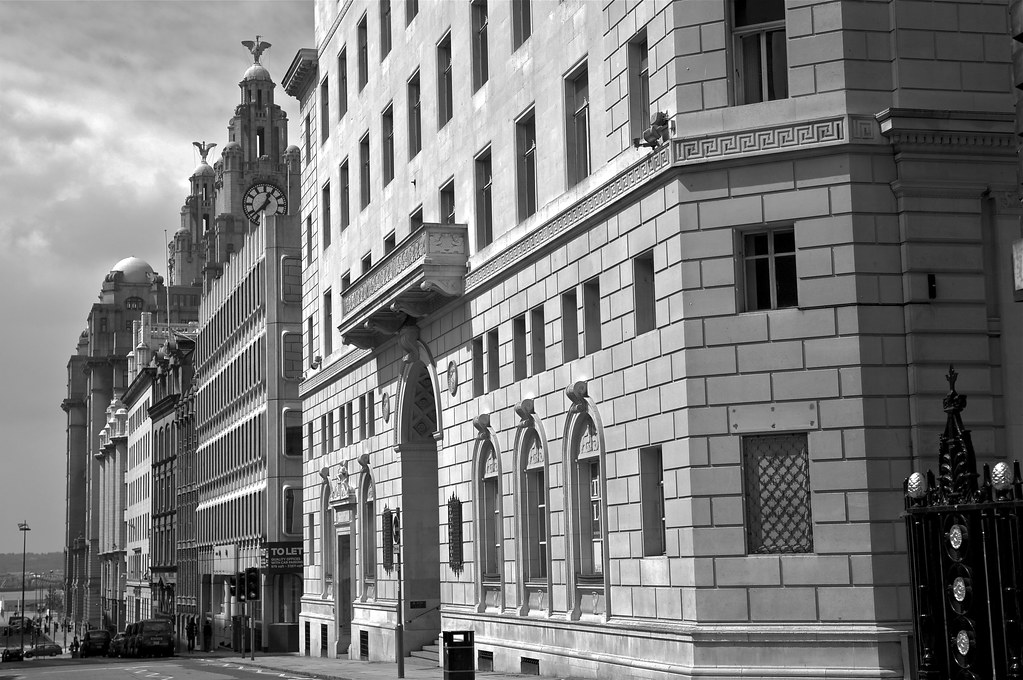
Bank of England rate decision

Why the Bank of England rate decision is harder to call this time

UK inflation rose to 2.9% in July. Higher energy costs pushed prices further above the Bank’s 2% target. The Middle East conflict drove much of that energy pressure. It is the same oil-price channel weighing on the Federal Reserve and the European Central Bank. All three major central banks now face an energy shock they did not generate. None can easily offset it with rate policy alone.

The three dissenting MPC members flagged a specific worry. They see energy-driven inflation becoming persistent, not temporary. Oil and gas prices could keep climbing through the autumn. If they do, that view could gain support among the committee’s other six members by September 17.

How this compares to the Fed and ECB’s own dilemmas

The Bank of England is not weighing this alone. The Federal Reserve faces a similar bind. Fed Chair Kevin Warsh called US inflation “uncomfortably high” last week, a stance detailed in our coverage of the Fed’s own rate outlook. The European Central Bank is weighing a possible September hike of its own too, a decision covered in our ECB rate preview. Three major central banks are responding to the same geopolitical energy shock within weeks of each other.

That alignment is not a coincidence. Middle East oil supply risk does not respect national borders. It shows up in import costs almost everywhere at once. Currency traders are watching whether one bank moves first. A surprise hike from any of the three could shift capital flows and pressure the others to follow.

What happens next before September 17

The Bank publishes no scheduled speeches from MPC members in the two weeks before a decision. That is standard under its quiet-period rules. Incoming data becomes the main signal instead. A fresh inflation reading and August energy price figures are due before the meeting. Both will shape whether the hawkish minority gains ground or stays isolated at three votes.

Mortgage lenders have already started pricing in a slightly higher chance of a rate rise. Several major UK lenders adjusted fixed-rate mortgage offers in late August. That is a small but real signal. Markets are hedging against a less dovish outcome than they expected a month ago.

Who feels a rate change first

Homeowners on variable-rate mortgages would feel a hike within weeks. Roughly 1.5 million UK households sit on trackers or standard variable rates. Those rates move directly with Bank Rate. Savers would see modestly better returns on cash savings accounts, which have lagged the current 3.75% base rate at many high-street banks. Businesses with variable-rate loans face the same near-term squeeze as mortgage holders. Smaller firms feel it hardest, since they rarely have the scale to hedge borrowing costs.

What economists will be watching for on the day

Beyond the headline vote count, analysts will parse the Bank’s updated inflation forecast closely. A upward revision to the projected inflation path would signal more hawkish intent even if the rate itself holds steady. The MPC’s minutes, published alongside the decision, typically reveal how close the committee came to a different outcome. Traders read those minutes almost as closely as the vote itself, since they shape expectations for the next meeting in November.

Sterling has traded in a tight range against the dollar and euro through most of August, reflecting genuine market uncertainty about which way September 17 will break. A hold with hawkish language in the minutes would likely support the pound. An outright rate rise would support it further still, though at the cost of tighter borrowing conditions for UK households already managing higher energy bills. Options traders have been paying up for protection against a surprise move in either direction, a sign the market genuinely does not know which way this one breaks.

FAQ

When is the next Bank of England rate decision?

September 17, 2026, announced at 12:00 UK time.

What did the Bank of England decide in July?

It held Bank Rate at 3.75% on a 6-3 vote, with three members favoring a rise to 4%.

Why might the Bank raise rates in September?

UK inflation rose to 2.9% in July, driven partly by higher energy costs tied to the Middle East conflict.

What do markets currently expect?

A hold was seen as most likely as of mid-August, with roughly a 72% implied probability, though that has narrowed.

Are other central banks facing a similar decision?

Yes. The Federal Reserve and European Central Bank are both weighing similar inflation pressure from Middle East energy prices this September.

Who is affected first if rates rise?

UK households on tracker or variable-rate mortgages, followed by businesses with variable-rate borrowing.