Waymo Taps Toyota bZ4X for Robotaxis in Japan and the UK

Waymo will use Toyota’s bZ4X as its next robotaxi, with vehicles destined for Japan and the UK, TechCrunch reported on 30 October 2026. The Waymo Toyota robotaxi deal means Waymo will begin testing self-driving bZ4X vehicles in Japan next year, according to TechCrunch.

In this article

What was announced

TechCrunch says Toyota will build the 2027 bZ4X and integrate Waymo’s self-driving system at its Takaoka factory.

Why Japan and the UK

The vehicles are intended for right-hand-drive markets including the UK. TechCrunch notes Waymo has tested Jaguar I-Pace cars in London and plans a launch once it receives permits. No launch date is given.

How the deal got here

The agreement comes 18 months after a preliminary Toyota-Waymo agreement signed in April 2025, per TechCrunch. Waymo’s own site, waymo.com, describes its service.

Example: a software specialist

As an illustration, not a real case: a Pakistani IT specialist tracking self-driving work might watch Japan and the UK as markets where this hardware is headed. Hiring plans were not part of the announcement, so none should be assumed. Workers considering a move can check routes with our visa eligibility checker. For other AI and hardware stories, see our coverage of the Mistral Large 4 release and the Apple and OpenAI trial date.

What to watch

Japan testing is expected next year, and UK service depends on permits. Both are conditional on regulators.

Robotaxi questions

Which vehicle will Waymo use?

The Toyota bZ4X, per TechCrunch.

Where will testing start?

In Japan, next year.

Which other market is named?

The UK, among right-hand-drive markets.

Where will Toyota build it?

At its Takaoka factory, which will integrate Waymo’s system.

Has Waymo tested in London?

Yes, with Jaguar I-Pace cars, per TechCrunch.

When did the partnership begin?

A preliminary agreement was signed in April 2025.

Sources

Image: Toyota bZ4X, Auto Zurich 2024, CC BY-SA 4.0, via Wikimedia Commons.

Lifelong Learning Entitlement Applications Now Open in England

Applications for the Lifelong Learning Entitlement (LLE) opened on 30 October 2026, according to GOV.UK. The Lifelong Learning Entitlement applications cover students in England starting undergraduate or certain postgraduate courses between 1 January 2027 and 31 August 2027.

In this article

Who can apply

GOV.UK says the window is for courses starting on or after 1 January 2027 and up to 31 August 2027. Applications for the 2027/28 academic year go live in spring 2027. Applicants need a GOV.UK One Login account.

How much you can borrow

For first-time users, the standard tuition fee loan is up to £39,160, which GOV.UK equates to about 480 credits. Maintenance loans are up to £15,415 per course year.

Repayment terms

Loans are repaid under Repayment Plan 5. GOV.UK says any outstanding balance is cancelled 40 years after the April you are first due to start repaying.

Example: a career changer

As an illustration, not a real case: a Colombian chef living in England who wants to retrain in a degree-level course starting in spring 2027 would first need to confirm eligibility on the GOV.UK student finance pages, because the announcement does not list residency or immigration conditions. Anyone planning study around visa rules can check options with our visa eligibility checker. For other funding deadlines, see our guides to the Chevening timetable and Gates Cambridge deadlines.

What happens next

Applicants for early 2027 starts can apply now. Those aiming for September 2027 should wait for the spring 2027 opening of the 2027/28 round.

LLE questions

When did LLE applications open?

30 October 2026, per GOV.UK.

Which courses start dates are covered?

Courses starting from 1 January 2027 to 31 August 2027.

How large is the tuition loan?

Up to £39,160 for first-time users, about 480 credits.

What is the maintenance loan?

Up to £15,415 per course year.

What do I need to apply?

A GOV.UK One Login account.

When is the loan cancelled?

40 years after the April you are first due to start repaying, per GOV.UK.

Sources

Image: Wolfson Building, Royal Holloway, University of London, CC0, via Wikimedia Commons.

Canada Immigration Fraud Penalties Reach $1.5 Million

Canada has introduced financial penalties of up to $1.5 million for immigration fraud and unauthorized consultants, in effect since 28 October 2026, according to Immigration.ca. The Canada immigration fraud penalties apply to representatives who give paid advice without authorization or submit false information.

In this article

Baseline penalties

Immigration.ca lists three starting amounts: $5,000 for paid advice without authorization, $15,000 for knowingly providing false information, and $10,000 for failing to provide documents at a compliance inspection. Combined penalties under one notice can reach $1.5 million.

How the total is set

The report describes the formula as (baseline + impact + financial advantage) multiplied by a factor. The multiplier is 0.5 with no prior findings, 1.0 with one and 1.5 with two or more.

Process and registry

Representatives have 30 days to respond to a preliminary notice. IRCC plans a public registry of penalized representatives in 2027, per the same report. The report also mentions Canada Gazette Part II publication on 4 November 2026; that detail came from a summary and we could not confirm it in the article text.

Example: an applicant using a consultant

As an illustration, not a real case: an Indian engineer applying for Canadian permanent residence should confirm that any adviser is authorized before paying, using the official guidance on the IRCC website. You can also test your own options with our visa eligibility checker. For recent selection results, see our report on Express Entry draw 453.

Fraud penalty questions

When did the penalties take effect?

28 October 2026, per Immigration.ca.

What is the maximum?

Combined penalties under one notice can reach $1.5 million.

What is the lowest baseline?

$5,000 for paid advice without authorization.

How long do representatives have to respond?

30 days to a preliminary notice.

Will there be a public list?

IRCC plans a registry of penalized representatives in 2027.

How can applicants protect themselves?

Check that your representative is authorized before paying.

Sources

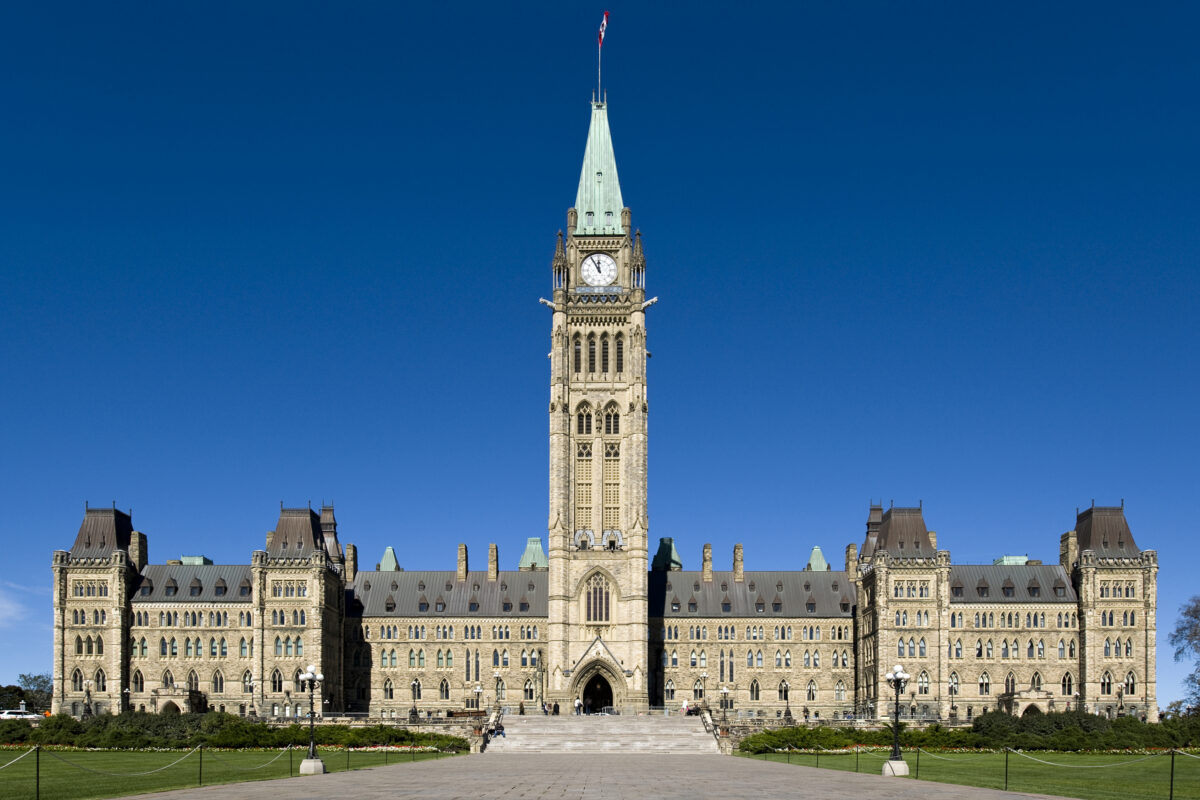
Image: Centre Block, Parliament Hill, Ottawa, CC BY-SA 3.0, via Wikimedia Commons.

Poland Constitutional Tribunal Crisis: President Turns Back

Poland’s president turned his plane around mid-flight on 30 October 2026 as a dispute over the Constitutional Tribunal escalated, according to Euronews. The Poland Constitutional Tribunal crisis saw riot police deployed outside the court in Warsaw on Friday.

In this article

What happened

Euronews reports Tribunal President Bogdan Święczkowski was suspended, a suspension announced by judge Anna Korwin-Piotrowska. President Karol Nawrocki, travelling to Senegal, wrote on X that he was cutting his flight short and returning. Justice Minister Waldemar Żurek asked for the immunity of Święczkowski and his deputy, Bartłomiej Sochański, to be lifted.

The competing claims

The headline describes allegations of a “coup d’état”. The Euronews report we read does not settle who is right, and the legal standing of the suspension is contested between the sides, so treat each claim as that party’s position. The Tribunal’s own site is at trybunal.gov.pl.

Why it matters beyond Poland

Courts decide on laws that touch residents, investors and foreign workers alike. A prolonged standoff over who controls the Tribunal can affect confidence in legal certainty, though the sources we read do not report any immediate change to rules for foreigners.

Example: a family living in Poland

As an illustration, not a real case: a Ukrainian family with residence in Poland would not see any change to their status from this report alone. They should rely on official notices for residence rules and could test other options with our visa eligibility checker. For other European politics, see our reports on the UK-EU summit and the ECB decision.

What to watch

Watch for whether parliament lifts the immunity requested by the justice minister, and for the president’s next statement after his return.

Tribunal questions

What happened in Warsaw on 30 October?

Riot police were deployed outside the Constitutional Tribunal, per Euronews.

Who was suspended?

Tribunal President Bogdan Święczkowski.

What did the president do?

He turned his plane back from a trip to Senegal.

What did the justice minister ask for?

That the immunity of Święczkowski and his deputy be lifted.

Has anything changed for foreign residents?

Not according to the sources we read.

Who announced the suspension?

Judge Anna Korwin-Piotrowska, per Euronews.

Sources

Image: Constitutional Tribunal building, Warsaw (2022), CC0, via Wikimedia Commons.

EU Parcel Handling Fee of €2 Starts on 1 November

The European Union will charge a €2 handling fee on every package entering the bloc from 1 November 2026, whatever its value, according to Euronews. The EU parcel handling fee sits on top of a €3 customs duty that has applied since July to parcels worth under €150, which Euronews describes as temporary until 2028.

In this article

What is changing

Euronews reports the €2 fee applies to all packages regardless of value, starting 1 November. The €3 duty for parcels under €150 has been in force since July. Taken together, a low-value parcel can now carry both charges, though the report does not set out how they are combined at the border, so check the customs guidance on the European Commission’s taxation and customs site before shipping.

The numbers behind it

Euronews says small-parcel imports fell 60% between July and September, yet about 5 million parcels still enter the EU every day. It adds that 91% of 2024 shipments came from China.

Where the money goes

Per Euronews, 75% of the fee revenue goes to the EU budget and 25% stays with member states.

Example: a small overseas seller

As an illustration, not a real case: a Vietnamese seller who ships handmade goods to customers in Germany and France should expect each parcel to cost €2 more to land from 1 November, plus the €3 duty if the item is under €150. Whether to raise prices or batch orders is a business decision; sellers weighing a local presence in Europe can compare options in our company formation guide. For related policy coverage, see our reports on the ETIAS delay and the UK-EU summit talks.

What to watch next

The €3 duty is described as temporary until 2028, so a permanent customs regime is the next step to follow. No further dates are given in the sources we read.

Parcel fee questions

When does the EU parcel fee start?

1 November 2026, per Euronews.

How much is it?

€2 per package, regardless of value.

Does the €3 duty still apply?

Yes. It has applied since July to parcels under €150 and is temporary until 2028, per Euronews.

Who receives the revenue?

75% goes to the EU budget and 25% to member states.

Have imports changed?

Small-parcel imports fell 60% between July and September, per Euronews.

Where do most parcels come from?

91% of 2024 shipments came from China, according to Euronews.

Sources

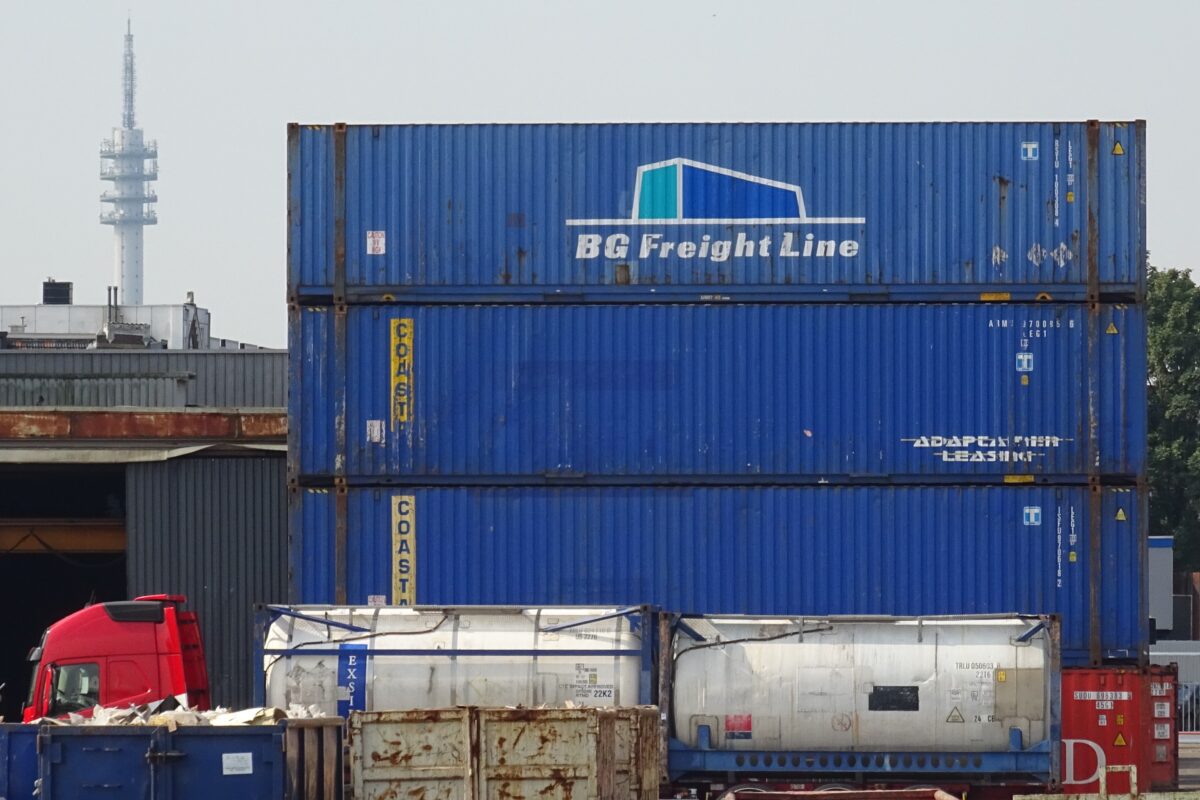
Image: Shipping container, Port of Rotterdam (2017), CC BY-SA 4.0, via Wikimedia Commons.