New Zealand Already Started Voting — Here’s What’s Actually at Stake

New Zealanders are already voting, days before the formal election day arrives. The New Zealand 2026 election reaches its climax on 7 November, but advance voting opened on 26 October. That gives voters nearly two weeks to cast a ballot before polls officially close.

Prime Minister Christopher Luxon announced the 7 November date back in January. He spoke to reporters at the National Party’s caucus retreat in Christchurch, according to interest.co.nz’s report on the announcement. He told coalition partners ACT and NZ First about the date the day before his public announcement. Luxon explained the timing simply: “that was the logical time.” He added that most New Zealand elections have landed in late October or early November historically. That makes this date unremarkable by past standards, even as the race itself looks closely contested. Officials also said setting the date early avoids clashes with major sporting and cultural events on the calendar, a point also covered by Sun Live.

What’s actually at stake in the New Zealand 2026 election

Luxon has been clear about his coalition preferences heading into the vote. He said National would work with ACT and NZ First again if the numbers allow it. He ruled out working with Labour, the Greens or Te Pāti Māori. His preference, in his own words, is “maximising the National Party vote.” He put it this way: “I can make a coalition work if I have to, my preference would be to make sure I’m maximising the National Party vote.”

Voters face a real choice. One path continues the current National-led coalition. The other shifts toward an alternative government built from Labour, the Greens and Te Pāti Māori. New Zealand’s mixed-member proportional voting system makes an outright majority unlikely for any single party. Coalition arithmetic will matter as much as any single party’s vote share once results come in. Minor parties crossing or missing the threshold could end up deciding which bloc actually governs.

The calendar that got New Zealand here

A specific sequence of dates shaped this election cycle. Parliament rose on 24 September. It formally dissolved on 1 October. Writ day fell on 4 October, the formal start of the campaign period. Candidate nominations closed at noon on 8 October. Advance voting began on 26 October, two days before this article published. That gives most voters a long window to cast an early ballot if they prefer avoiding election-day lines. The last day to return the official writ, closing out the formal process, is 3 December.

New Zealand’s enrollment rules also matter here. Under current electoral law, enrollment closes 13 days before election day. That cutoff point falls in late October this cycle, well before voters head to the polls on 7 November itself.

How this election fits into a busy global season

New Zealand is not the only country working through a political transition this season. Tamara News has also covered a very different kind of political transition unfolding in Venezuela this same week. Readers following immigration policy can also see how New Zealand’s own graduate work visa changes, due 16 November, will land just days after this election. Whichever government takes office will be the one implementing them.

What happens after New Zealanders finish voting

Final results typically take time to confirm fully once election day passes. Special votes and overseas ballots need processing after the initial count. If no single party wins a majority, which is the normal outcome under New Zealand’s voting system, coalition negotiations begin once preliminary results are clear. Luxon’s stated preference for a National-ACT-NZ First arrangement gives one likely template. Final seat counts will decide whether that combination actually reaches a workable majority once every vote is counted. A government typically takes office within a few weeks of a confirmed result, once coalition negotiations wrap up and ministerial positions get settled among the governing partners.
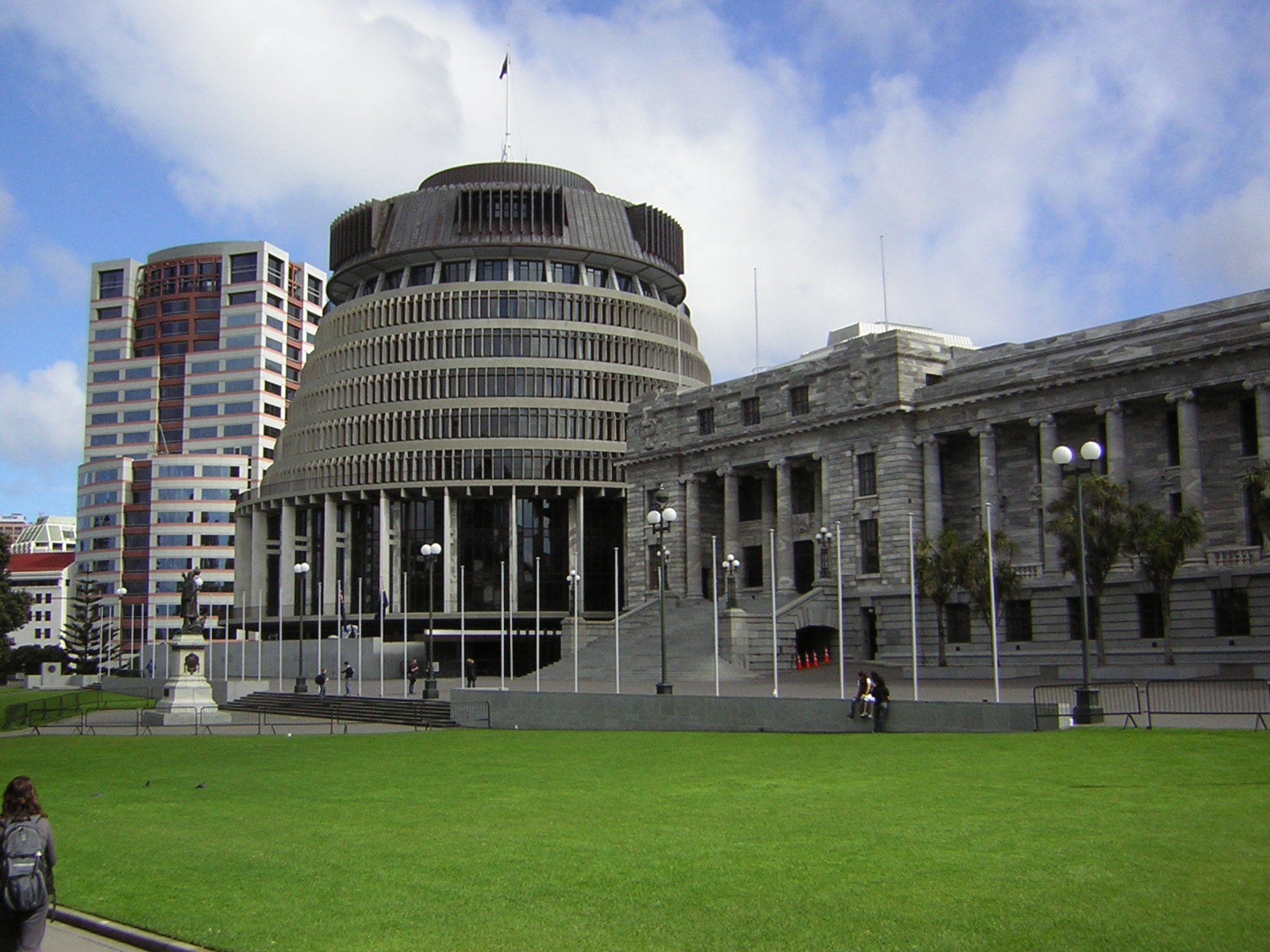
The Beehive in Wellington, the backdrop to the New Zealand 2026 election

FAQ: New Zealand 2026 election

When is New Zealand’s 2026 election?
Election day is 7 November 2026, with advance voting already open since 26 October.

Who announced the election date?
Prime Minister Christopher Luxon announced the date in January 2026, at a National Party caucus retreat in Christchurch.

Which parties does Luxon want to govern with?
Luxon has said National would work again with ACT and NZ First, while ruling out Labour, the Greens and Te Pāti Māori.

When does enrollment close for this election?
Enrollment closes 13 days before election day under current law, which falls in late October this cycle.

Will one party win a majority outright?
Unlikely. New Zealand’s mixed-member proportional system usually produces coalition governments rather than single-party majorities.

When will final results be confirmed?
Final counts typically take time after election day, since special votes and overseas ballots require additional processing before certification.

Can New Zealanders still enroll to vote?
Enrollment closed 13 days before election day under current electoral law, so late enrollment options were limited by the time advance voting opened on 26 October.

What is the mixed-member proportional system?
It is New Zealand’s voting system, which allocates parliamentary seats roughly in proportion to each party’s share of the national vote, making single-party majorities uncommon.

Britain and Brussels Just Set a Date — And Migration Is on the Table

Britain and the European Union have locked in a date for their next major summit. The UK EU summit migration agenda is already taking shape before the two sides even sit down. The summit is set for 20 November 2026 in Brussels. Migration sits alongside trade as a top priority for the UK side.

UK officials confirmed the date after reports raised Russian meddling concerns around the original Brexit referendum. That added urgency to closer coordination with Brussels. Manchester mayor Andy Burnham is a prominent voice pushing for closer UK-EU ties. He has said he intends to prioritize trade and migration at the summit, according to EUobserver’s reporting on his remarks. The UK prime minister has separately said the “status quo” with the EU is “not good enough.” That signals London wants more than symbolic cooperation out of the meeting. AJ Bell’s report on the summit date carried that same line directly from the prime minister.

What the UK EU summit migration talks could actually produce

Migration cooperation between the UK and EU since Brexit has mostly meant information-sharing and limited returns agreements. It has not meant a shared asylum system. A summit focused partly on migration could still produce something real. New commitments on returning failed asylum seekers are one possibility. Cooperation on cross-Channel smuggling networks is another. Data-sharing on criminal records could also feature. A full return to EU-wide freedom of movement is unlikely. Neither side has signaled any appetite for reopening that debate.

Trade sits alongside migration on the announced agenda. Burnham has argued that closer alignment on both fronts strengthens Britain’s hand against outside interference. That framing ties migration cooperation to broader security concerns, rather than treating it as a separate issue. It also gives the UK government cover to deepen EU ties without reopening the free-movement debate that dominated the original Brexit campaign. That debate still carries real political weight on both sides of the English Channel, which is why officials keep steering the conversation toward narrower, practical fixes instead.

Why this summit matters more than past post-Brexit meetings

Several UK-EU meetings since Brexit produced modest, technical agreements rather than major shifts. This one carries different weight. It follows direct accusations of foreign interference in the original Brexit vote. That claim has reopened UK domestic debate about the EU relationship generally. A summit billed around rebuilding trust sets a higher bar than one focused only on leftover trade disputes. Success on 20 November will mean more than a polite joint photo.

The timing also overlaps with wider European political turbulence. Tamara News has covered cost-of-living protests in France and the EU’s new power to fine AI companies this same month. Both are signs of an EU juggling multiple pressures at once, heading into a summit that is already drawing outsized attention.

What happens between now and the summit

Expect preparatory talks between UK and EU officials in the weeks leading up to 20 November. Those talks will shape the detailed text both sides actually negotiate over. Migration and trade are described as priorities, not confirmed outcomes. The specific commitments on the table could still shift considerably before the summit itself. A joint statement or communique is the most likely public output on the day. Any binding agreements will probably follow in separate technical talks afterward, rather than being signed on the spot.

Both sides have strong incentives to show some concrete result. The political attention this summit has already drawn makes a purely symbolic outcome a harder sell than usual. Officials on both sides know a vague outcome would draw immediate criticism at home.

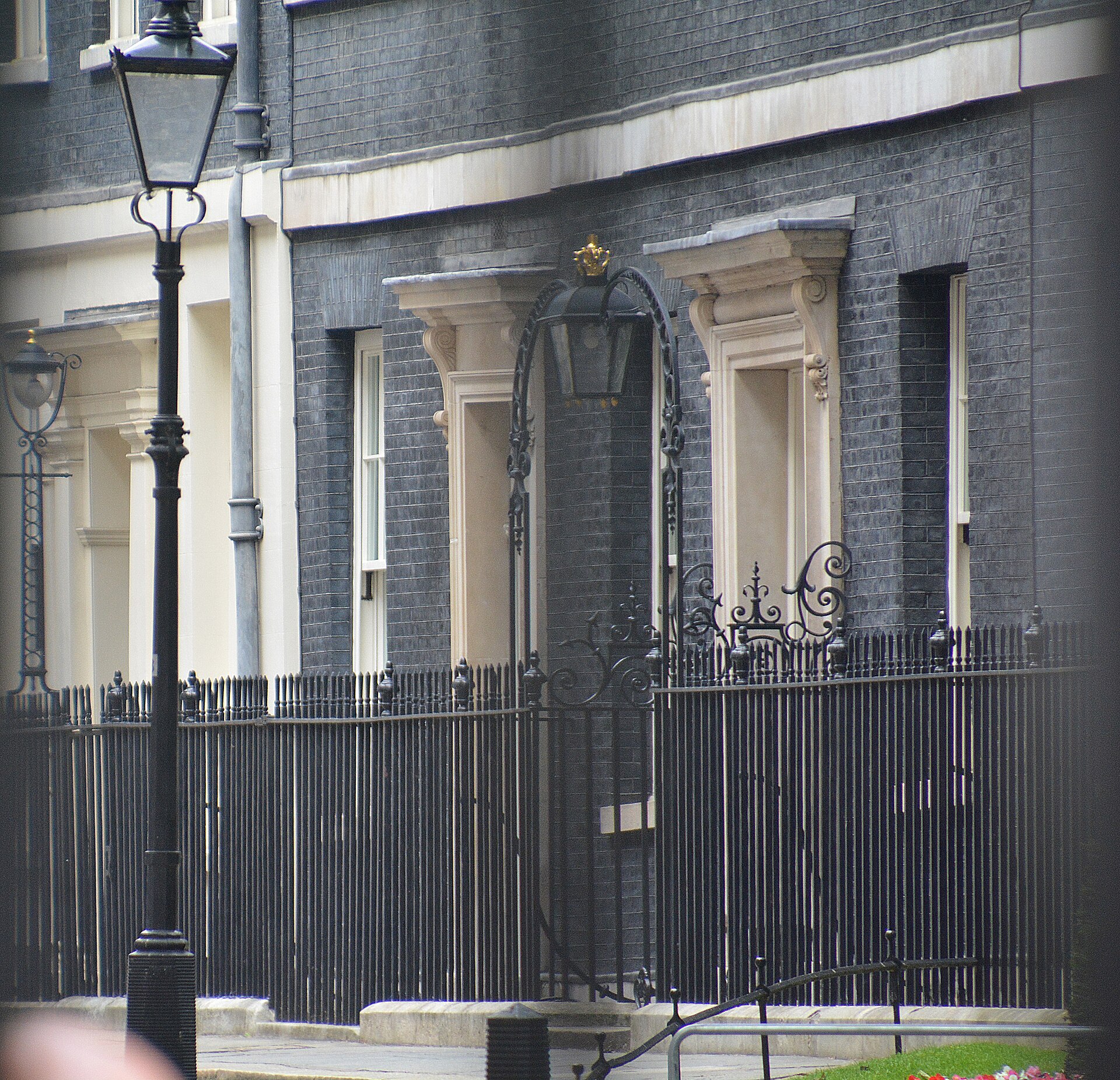
Downing Street in London before the UK EU summit migration agenda

FAQ: UK EU summit migration

When is the UK-EU summit?
The summit is scheduled for 20 November 2026 in Brussels.

Is migration the only topic on the agenda?
No. Trade sits alongside migration as a top priority, according to officials quoted in coverage of the summit’s planning.

Will the summit bring back free movement between the UK and EU?
There is no indication of that. Discussions appear focused on narrower cooperation, such as returns agreements and information-sharing, not a return to pre-Brexit freedom of movement.

Why did Russian interference claims come up around this summit?
A UK figure pushing for closer EU ties cited concerns about Russian meddling in the original Brexit referendum as part of the case for deeper cooperation now.

Who is pushing hardest for migration cooperation?
Manchester mayor Andy Burnham has publicly prioritized trade and migration ahead of the summit, according to reporting on his comments.

Will any agreements be signed on the day of the summit?
That is unclear. A joint statement is the most likely immediate output, with detailed agreements more likely to follow in later technical negotiations.

Does this summit affect UK visa rules for EU citizens?
Nothing announced so far points to new visa rules for EU citizens visiting the UK. The agenda as described focuses on cooperation measures rather than visa policy changes.

How does this summit connect to wider EU politics this month?
It lands during a period of broader EU strain, including cost-of-living protests in France and new enforcement powers under the EU’s AI Act. Brussels is managing several pressures at once heading into November.

Netanyahu’s Bloc Just Won the Most Seats — But Not the Majority He Wanted

Israel’s Central Elections Committee was still counting ballots before dawn on 28 October 2026. The early tally already told a mixed story. The Netanyahu bloc election results released overnight gave the pro-Netanyahu bloc the lead over its rivals. But the margin kept narrowing as more boxes opened. Neither side had the 61 seats needed to govern alone.

One update from the Times of Israel’s live count covered roughly a third of ballot boxes. It put the pro-Netanyahu bloc at 59 seats against 46 for the opposing bloc. An earlier count, with about a quarter of boxes opened, had the pro-Netanyahu bloc ahead 63 to 49. The nonaligned Joint List held the rest. The gap moved both ways as counting continued. That is normal this early. It meant Israel woke up on 28 October without a declared winner.

What the Netanyahu bloc election results actually show so far

Likud remains the largest single party. Prime Minister Benjamin Netanyahu addressed supporters at Likud headquarters in Jerusalem overnight. He said the right-wing bloc held a “decisive majority” among what he called the Zionist public. He told the room “we are still waiting for the true results.” He called for a “right-wing, national, strong government.” He also criticized parties willing to work with Arab-led factions, calling it a “shame.”

Several small parties sat near the electoral threshold. The Reservists party polled around 2.7%. People of Israel polled around 1.8%. The Charedi Public list sat around 0.3% in the update reviewed. Each falls below the 3.25% cutoff a party needs to enter the Knesset. Soldiers’ ballots and double-envelope votes could still push one of them over that line. A single seat moving either way matters when coalition math is this tight.

Why the count keeps moving

Israeli election law counts regular ballot boxes first. It leaves military votes and “double envelope” ballots for later. Those are cast by people voting away from their registered polling station. This category has swung the final seat count in past Israeli elections, sometimes by several seats. Officials and party strategists treat early percentages as provisional for that reason. The Central Elections Committee has not set a date for final certified results as of this writing.

The opposition bloc is led by former military chief Gadi Eisenkot. It had not issued a public statement matching Netanyahu’s in the hours covered by available reporting. Some commentary, including from CNN’s live results coverage, framed the overnight numbers as a setback for Netanyahu’s governing coalition. That is despite his bloc holding the largest share of seats. In Israel’s proportional system, “largest bloc” and “governing majority” are not the same thing.

The coalition fight behind a close Netanyahu bloc election results count

Israel’s president formally invites a candidate to try to form a government once results are certified. That usually goes to whoever a majority of incoming Knesset members recommend. Both blocs sat short of 61 seats in the numbers reviewed. Attention now turns to the parties outside the two main camps. The Joint List and Ra’am, both Arab-led, have in the past signaled they might back a government from the outside. Neither would need to join a coalition to do it. That outside support could decide who actually forms the next government.

That kind of arrangement has collapsed before in Israeli politics. Netanyahu’s own remarks overnight suggested he plans to campaign against relying on it. A government built on narrow, shifting support has struggled before to pass a budget or survive a full term in Israel. Even a bloc that edges past 61 seats on paper may find governing harder than winning.

What happens before Israel has a government

Three things happen next, in order. First, the Central Elections Committee finishes counting double-envelope and military ballots. It then certifies final results, typically within about a week of election day. Second, Israel’s president consults the heads of every party that won seats. The president then designates someone to try to form a government, usually the leader with the best shot at 61 votes. That person gets a window of several weeks. Third, the designated leader negotiates coalition deals over ministries, policy commitments and budget priorities. Only then does a government go to the Knesset for a confidence vote.

Given how close the overnight numbers were, a drawn-out negotiation looks more likely than a quick handover. No outcome is locked in yet. Israel has gone to a second election before when coalition talks failed completely.

Voters casting ballots as Netanyahu bloc election results come in

For readers following other elections this season, Tamara News also covered the coalition math behind Tuesday’s vote and the pre-election polling that set expectations heading into election day. Readers tracking broader shifts in global politics can also see how the political transition in Venezuela is unfolding on a very different continent this same week.

FAQ: Netanyahu bloc election results

Did Netanyahu win the election outright?
No single bloc had reached the 61 seats needed for a majority in the counts reviewed. Likud was the largest individual party, and the pro-Netanyahu bloc led the opposing bloc, but neither had secured a governing majority.

When will Israel know the final result?
Final certified results typically follow about a week after election day, once double-envelope and military ballots are added to the count.

What is a “double envelope” ballot?
It is a vote cast by someone away from their registered polling station, sealed in an extra envelope so officials can verify eligibility before it is counted with the final tally.

Could smaller parties decide the outcome?
Yes. Several parties sat close to the 3.25% threshold needed to enter the Knesset, and whether they clear it can shift the final seat count enough to change who can realistically form a government.

What role could Arab-led parties play?
The Joint List and Ra’am have previously signaled they might support a coalition from outside without formally joining it, a dynamic that has decided past Israeli coalition fights.

What happens if no one can form a government?
Israel has gone to repeat elections before when coalition negotiations collapsed, though that outcome typically follows weeks of failed talks, not an immediate call for a new vote.

Maduro Faces a Second Set of Charges — And They’re Worse Than the First

The man US forces captured in a January raid on Caracas now faces a second set of federal charges. Manhattan federal court unveiled the Maduro torture indictment on October 8, 2026. It adds a conspiracy-to-commit-torture charge. That charge sits alongside the drug trafficking case Nicolás Maduro and his wife, Cilia Flores, already face. Both have pleaded not guilty to the drug charges.

What the Maduro Torture Indictment Alleges

Federal prosecutor Jamie McDonald announced the revised indictment at a news conference. He said the conspiracy’s members “were holding the shovel.” Prosecutors allege the scheme ran from at least 1999 through 2025. It drew in Venezuelan military, intelligence and law enforcement officials, according to Al Jazeera. Prosecutors say officials shocked and asphyxiated one detainee. That followed his arrest after a 2018 drone attack the Venezuelan government blamed on an effort to target Maduro.

Maduro torture indictment courtroom gavel symbolizing the case

The American Victims Named in the Case

Prosecutors cite three US citizens detained in Venezuela. Intelligence officers arrested one in January 2025 without even targeting him specifically. Officials allegedly beat him over two days, causing a permanent eye injury. They reportedly released him about a year later and warned him not to disclose what happened. Prosecutors allege Maduro personally directed, or was regularly briefed on, detainee abuse. In one instance, he allegedly ordered officials to “squeeze them harder” after a detained officer remained defiant. Flores allegedly attended some meetings where officials discussed detainee treatment.

How Maduro Ended Up in US Custody

Maduro served as Venezuela’s president from 2013 until his capture on January 3, 2026. US military forces seized him and Flores from their Caracas home that day. President Trump had authorized the raid, according to PBS NewsHour. Delcy Rodríguez now serves as Venezuela’s acting president. Brooklyn’s Metropolitan Detention Center holds both Maduro and Flores. Their drug trafficking trial is set for June 1, 2027. Maduro’s attorney, Barry Pollack, says his client denies the new torture allegations and looks forward to his day in court.

A Separate Fight Over Flores’s Detention

Judge Alvin Hellerstein denied a request to release Flores over medical concerns the same Thursday prosecutors unveiled the torture charges. Her lawyers told the court she is 69 and has lost 25 pounds. She may have suffered a minor heart attack in July. The court wasn’t persuaded that her condition justified release before trial. Her attorney said at the time he hadn’t yet reviewed the new torture allegations in detail.

What the New Charges Change Going Forward

The torture count doesn’t replace the drug trafficking charges. It sits alongside them, giving prosecutors a second and arguably more politically resonant case for the June 2027 trial. Venezuela is still adjusting to Maduro’s removal after more than a decade in power. The indictment keeps the accountability question in American courts rather than Venezuelan ones. That dynamic is likely to shape both the legal proceedings and the political transition under Rodríguez’s acting government. Venezuelan officials who served under Maduro now face a choice. They can cooperate with the broader investigation, or risk their own exposure if evidence implicates them directly.

What Happens Next in the Legal Process

A superseding indictment like this one does not restart the case from scratch. It adds the torture conspiracy charge to proceedings already underway over the drug trafficking allegations. Both sets of charges are set for the same June 2027 trial. Between now and then, prosecutors and defense attorneys exchange evidence through discovery. Courts also hear pretrial motions over what evidence can be used at trial. Maduro and Flores are expected to formally respond to the amended charges at an arraignment in the coming weeks. The allegations span more than two decades and involve multiple co-conspirators and overseas witnesses. Prosecutors have signaled that pretrial proceedings alone could take months. Judge Hellerstein denied Flores’s separate request for release pending trial, citing her medical condition. That ruling suggests both defendants will likely stay in federal custody at the Metropolitan Detention Center through pretrial proceedings. Federal criminal trials in the Southern District of New York are open to the public and press, so each stage of the case, from arraignment through jury selection, is likely to draw significant attention. US media outlets covered the January 2026 capture and the original drug trafficking charges heavily, and interest in the case has stayed high since.

Related Coverage on Tamara News

For more on Venezuela’s post-Maduro transition, see our coverage of the nationwide protests demanding new elections. We’ve also reported on the proposed window for Russia-Ukraine peace talks, another case testing what follows a change at the top.

Maduro Torture Indictment: Questions Readers Are Asking

What is the Maduro torture indictment?
A federal indictment unveiled October 8, 2026, in Manhattan. It adds a conspiracy-to-commit-torture charge to Nicolás Maduro’s existing drug trafficking case.

Is Maduro still president of Venezuela?
No. US forces captured him in January 2026, and he remains in federal custody in New York. Delcy Rodríguez is Venezuela’s acting president.

Who else was charged alongside Maduro?
His wife, Cilia Flores, faces the same torture conspiracy charge along with the existing drug trafficking charges.

What do the torture charges allege?
That Venezuelan officials tortured detainees between 1999 and 2025. Prosecutors say Maduro directed or was briefed on the abuse, and at least three victims were US citizens.

Where is Maduro being held?
At the Metropolitan Detention Center in Brooklyn, New York.

When is the trial scheduled?
June 1, 2027, according to court filings reported by PBS NewsHour.

Israel Votes Tomorrow — And the Polls Say Netanyahu’s Coalition Could Lose

Israel goes to the polls on October 27, 2026. It is the first national election since the October 7, 2023 Hamas attack. Wars followed in Gaza, Lebanon and Iran. The Israel election 2026 vote is widely read as a referendum on Prime Minister Benjamin Netanyahu’s wartime leadership. Final surveys show his coalition narrowly trailing a rival bloc led by a former military chief.

What’s at Stake in the Israel Election 2026

The Knesset has 120 seats. A governing coalition needs 61 of them for a majority. Parties must also clear 3.25% of the national vote to win any seats at all. Ofir Katz, who heads Netanyahu’s coalition in parliament, confirmed in July that the vote would go ahead on the date set by law. That came after the Knesset voted in May to disband, according to Arab News. Surveys since then have repeatedly found Israelis unhappy with how the government handled the aftermath of the war with Iran. Netanyahu’s security record is still marked by the intelligence failures that preceded October 7.

Israel election 2026 ballot box used for voting

Who’s Challenging Netanyahu in This Election

The clearest challenger is Gadi Eisenkot, a former Israeli military chief of staff. His new Yashar party has become a leading contender in the campaign’s final days. Eisenkot is running on accountability for the security failures before October 7. He is also campaigning on a more equal split of military service duty and on the cost of living. Naftali Bennett, a former prime minister, is contesting the vote in an alliance with Yair Lapid. Netanyahu’s Likud needs its usual religious and nationalist partners to have any realistic route back into government. Those partners are Shas, United Torah Judaism, Religious Zionism, and Otzma Yehudit, led by Itamar Ben-Gvir, according to Business Standard.

What the Final Election Polls Are Showing

Four polls published on October 25, two days before the vote, each put Yashar ahead of Likud. Channel 12 had Yashar on 23 seats to Likud’s 21. Channel 13 put it at 22 to 19. KAN 11 showed 22 to 20. Maariv gave Yashar 21 seats without naming a Likud figure, according to The Jerusalem Post. Averaged across the four polls, Yashar leads Likud by just over two seats.

Why an Election Deadlock Looks Likely

The seat math gets tighter at the bloc level. Averaging the same four polls, the opposition bloc sits at roughly 54 seats. Netanyahu’s coalition averages about 49.5, with Arab-led parties holding the remaining 14 to 16. Neither side reaches the 61 seats needed to govern alone. Two smaller lists sit right at the edge of relevance. The Reservists-Economic list averages just under the 3.25% threshold. Ofer Winter’s People of Israel list falls short in every poll surveyed. If neither bloc can govern alone, coalition talks could drag on for weeks after the ballots are counted.

How Israel’s Coalition System Works

Israel’s parliamentary system makes a single-party majority essentially impossible. With 120 seats split among more than ten parties clearing the 3.25% threshold, no governing coalition has formed without several partners in recent decades. That is why Netanyahu’s bloc counts on Shas, United Torah Judaism, Religious Zionism and Otzma Yehudit rather than Likud’s own seats alone, and why Eisenkot’s Yashar party would need its own set of allies to reach 61. The arithmetic also explains why Arab-led parties, which neither major bloc has included in government for most of the last decade, could matter more this time if the vote is as close as the final four polls suggest. A bloc that falls just short of 61 seats typically spends weeks negotiating portfolios and policy concessions before a government is sworn in, and sometimes fails to form one at all.

What Happens After the Election Closes

Exit polls are expected shortly after voting ends on October 27. The real seat count follows over the next day or two. Israeli governments rarely finish a full four-year term. Netanyahu is the country’s longest-serving prime minister, and Reuters still calls him an “unmatched political survivor.” Whether that survival continues depends on coalition arithmetic neither side controls outright. A deadlocked result would likely mean weeks of negotiation. It could also mean a repeat election, a scenario Israel has lived through before.

Related Coverage on Tamara News

For more on the region’s shifting conflicts, see our coverage of the fragile Gaza ceasefire, the proposed window for Russia-Ukraine peace talks, and the protests demanding elections in Venezuela.

Israel Election 2026: Common Questions

When is the Israel election 2026 vote held?
Israel holds its national election on October 27, 2026.

Why is this election being called a test for Netanyahu?
It is the first national vote since the October 7, 2023 attack. Polls have repeatedly found Israelis unhappy with his handling of the war’s aftermath.

Who is Gadi Eisenkot?
A former Israeli military chief of staff whose Yashar party leads Likud in final pre-election polls. He is campaigning on accountability for pre-war intelligence failures.

Could the election end in a deadlock?
Yes. Averaged polling puts neither Netanyahu’s coalition nor the opposition bloc at the 61 seats needed for a majority.

What role could Arab-led parties play?
If neither major bloc reaches a majority, parties such as Ra’am could become pivotal to forming a government. Opposition parties are divided on relying on them.

When will the results be known?
Exit polls are expected shortly after voting closes on October 27. Final counts follow over the next day or two.

1 2 3 … 7