Microsoft Just Offered a Quarter of Its Workforce a Way Out

Microsoft sent a short note to employees this week. It could reshape a quarter of its workforce. The Microsoft voluntary buyout offer went out to roughly 60,000 workers on Monday. That is out of a global headcount of about 223,000 as of June. It is the company’s largest effort yet to cut costs without mass layoffs.

Chief people officer Amy Coleman described the offer in a note. Microsoft also published it on its company blog. She called it a way of “creating greater flexibility and, where possible, more ways for employees to shape their next chapter.” She added a blunt line: “The Voluntary Exit Offer is new for us.” TechCrunch confirmed the details with Microsoft on Monday, after Business Insider first reported the plan.

Who the Microsoft voluntary buyout offer actually covers

The offer targets employees at the vice president level and below. It covers select teams in the United States, Canada, India and the United Kingdom. Bloomberg reported that Xbox, Windows, Copilot and Finance are among the participating teams. Microsoft excluded some groups entirely. That includes staff in data centers and in sales and marketing roles. Eligible workers received an email on Monday with a link to their personal offer details. The terms track Microsoft’s standard severance package. They do not introduce a new formula.

This is not Microsoft’s first buyout round this year. Earlier in 2026, the company offered buyouts to retirement-age employees. More than 30% of the roughly 8,750 eligible workers took that deal. The new offer is far larger in scale. It also reaches deep into teams still central to Microsoft’s product roadmap, not just staff nearing retirement.

Why Microsoft is doing this instead of layoffs

A voluntary exit lets Microsoft trim headcount differently. It can skip some of the legal process, public backlash and severance disputes that often follow mass layoffs. Employees choose to leave rather than get selected for a cut. That spreads the decision across the workforce itself, not just Microsoft’s management. Microsoft has framed the move as part of a broader effort to “rework its workforce.” The company is pouring money into AI infrastructure and cloud capacity at the same time. Heavy capital spending on data centers and chips leaves less room in the budget. Headcount growth gets squeezed across every team at once, even at a company still growing revenue.

The timing lines up with a wider pattern across the sector. Tamara News covered the trillion-dollar earnings reports landing this same week from Microsoft’s peers. Investors are pressing every major tech company on how AI spending affects margins. A workforce reduction ahead of that scrutiny is unlikely to be a coincidence.

The visa angle few buyout stories mention

A voluntary exit offer does not sit in a vacuum for Microsoft’s foreign-born workforce. The company already lost part of its green card pipeline this year. The Department of Labor suspended PERM certifications affecting several large employers, a move Tamara News reported on in late October. Newsweek has also flagged H-1B visa uncertainty tied to the buyout. Workers on employer-sponsored visas generally get a limited window to find new sponsorship if they leave a role voluntarily. CNBC’s own reporting on the offer, which covered the announcement the same day, noted Microsoft has not detailed separate terms for visa-holding staff who accept it. The standard severance terms may not address that risk at all.

What happens once workers decide

Employees who receive the offer typically get a set window to accept or decline. That window often runs several weeks before the offer expires. Microsoft has not published an exact deadline publicly. What happens next depends heavily on uptake. If acceptance tracks closer to the 30% rate seen in the earlier retirement-age buyout, Microsoft keeps most of the 60,000 eligible staff. That would mean only a modest headcount reduction. If far more workers take the deal, Microsoft could face a bigger staffing gap than planned. That risk is highest on teams like Xbox and Windows, just as the company leans harder on AI products like Copilot.

Microsoft’s next earnings call will be the first real test of whether this buyout round shows up in the numbers investors are watching. Wall Street will want a headcount figure, not just a policy description. Expect analysts to ask about it directly on the call.

Office building illustrating the scale of the Microsoft voluntary buyout offer

FAQ: Microsoft voluntary buyout offer

How many Microsoft employees are eligible for the buyout?
Around 60,000 employees at the vice president level and below, on selected teams in the US, Canada, India and the UK, are eligible.

Is this the same as a layoff?
No. Employees choose whether to accept the offer. Microsoft is not selecting individuals for termination through this program.

Which teams are excluded?
Microsoft excluded staff in data centers and in sales and marketing roles from this round, based on reporting cited above.

Why is Microsoft offering buyouts now?
Microsoft has described it as part of a wider effort to cut costs and reshape its workforce as AI infrastructure spending grows.

Does this affect H-1B visa holders differently?
Visa-sponsored employees who leave voluntarily generally have a limited window to secure new sponsorship, which creates added risk the standard severance terms may not cover.

Has Microsoft done this before?
Yes. Microsoft offered a smaller buyout to retirement-age employees earlier in 2026, with just over 30% of eligible staff accepting.

Will Microsoft still hire while offering buyouts?
Microsoft has not said it is freezing hiring company-wide. Large employers often keep hiring in priority areas, such as AI infrastructure, even while trimming headcount elsewhere.


Netanyahu’s Bloc Just Won the Most Seats — But Not the Majority He Wanted

Israel’s Central Elections Committee was still counting ballots before dawn on 28 October 2026. The early tally already told a mixed story. The Netanyahu bloc election results released overnight gave the pro-Netanyahu bloc the lead over its rivals. But the margin kept narrowing as more boxes opened. Neither side had the 61 seats needed to govern alone.

One update from the Times of Israel’s live count covered roughly a third of ballot boxes. It put the pro-Netanyahu bloc at 59 seats against 46 for the opposing bloc. An earlier count, with about a quarter of boxes opened, had the pro-Netanyahu bloc ahead 63 to 49. The nonaligned Joint List held the rest. The gap moved both ways as counting continued. That is normal this early. It meant Israel woke up on 28 October without a declared winner.

What the Netanyahu bloc election results actually show so far

Likud remains the largest single party. Prime Minister Benjamin Netanyahu addressed supporters at Likud headquarters in Jerusalem overnight. He said the right-wing bloc held a “decisive majority” among what he called the Zionist public. He told the room “we are still waiting for the true results.” He called for a “right-wing, national, strong government.” He also criticized parties willing to work with Arab-led factions, calling it a “shame.”

Several small parties sat near the electoral threshold. The Reservists party polled around 2.7%. People of Israel polled around 1.8%. The Charedi Public list sat around 0.3% in the update reviewed. Each falls below the 3.25% cutoff a party needs to enter the Knesset. Soldiers’ ballots and double-envelope votes could still push one of them over that line. A single seat moving either way matters when coalition math is this tight.

Why the count keeps moving

Israeli election law counts regular ballot boxes first. It leaves military votes and “double envelope” ballots for later. Those are cast by people voting away from their registered polling station. This category has swung the final seat count in past Israeli elections, sometimes by several seats. Officials and party strategists treat early percentages as provisional for that reason. The Central Elections Committee has not set a date for final certified results as of this writing.

The opposition bloc is led by former military chief Gadi Eisenkot. It had not issued a public statement matching Netanyahu’s in the hours covered by available reporting. Some commentary, including from CNN’s live results coverage, framed the overnight numbers as a setback for Netanyahu’s governing coalition. That is despite his bloc holding the largest share of seats. In Israel’s proportional system, “largest bloc” and “governing majority” are not the same thing.

The coalition fight behind a close Netanyahu bloc election results count

Israel’s president formally invites a candidate to try to form a government once results are certified. That usually goes to whoever a majority of incoming Knesset members recommend. Both blocs sat short of 61 seats in the numbers reviewed. Attention now turns to the parties outside the two main camps. The Joint List and Ra’am, both Arab-led, have in the past signaled they might back a government from the outside. Neither would need to join a coalition to do it. That outside support could decide who actually forms the next government.

That kind of arrangement has collapsed before in Israeli politics. Netanyahu’s own remarks overnight suggested he plans to campaign against relying on it. A government built on narrow, shifting support has struggled before to pass a budget or survive a full term in Israel. Even a bloc that edges past 61 seats on paper may find governing harder than winning.

What happens before Israel has a government

Three things happen next, in order. First, the Central Elections Committee finishes counting double-envelope and military ballots. It then certifies final results, typically within about a week of election day. Second, Israel’s president consults the heads of every party that won seats. The president then designates someone to try to form a government, usually the leader with the best shot at 61 votes. That person gets a window of several weeks. Third, the designated leader negotiates coalition deals over ministries, policy commitments and budget priorities. Only then does a government go to the Knesset for a confidence vote.

Given how close the overnight numbers were, a drawn-out negotiation looks more likely than a quick handover. No outcome is locked in yet. Israel has gone to a second election before when coalition talks failed completely.

Voters casting ballots as Netanyahu bloc election results come in

For readers following other elections this season, Tamara News also covered the coalition math behind Tuesday’s vote and the pre-election polling that set expectations heading into election day. Readers tracking broader shifts in global politics can also see how the political transition in Venezuela is unfolding on a very different continent this same week.

FAQ: Netanyahu bloc election results

Did Netanyahu win the election outright?
No single bloc had reached the 61 seats needed for a majority in the counts reviewed. Likud was the largest individual party, and the pro-Netanyahu bloc led the opposing bloc, but neither had secured a governing majority.

When will Israel know the final result?
Final certified results typically follow about a week after election day, once double-envelope and military ballots are added to the count.

What is a “double envelope” ballot?
It is a vote cast by someone away from their registered polling station, sealed in an extra envelope so officials can verify eligibility before it is counted with the final tally.

Could smaller parties decide the outcome?
Yes. Several parties sat close to the 3.25% threshold needed to enter the Knesset, and whether they clear it can shift the final seat count enough to change who can realistically form a government.

What role could Arab-led parties play?
The Joint List and Ra’am have previously signaled they might support a coalition from outside without formally joining it, a dynamic that has decided past Israeli coalition fights.

What happens if no one can form a government?
Israel has gone to repeat elections before when coalition negotiations collapsed, though that outcome typically follows weeks of failed talks, not an immediate call for a new vote.

India Quietly Fixed the Most Annoying Rule on Its Tourist e-Visa

India has removed one of the more awkward limits on its most commonly used tourist e-visa. The India multiple entry e-visa change means travelers on the 30-day e-Tourist Visa, officially category e-T1 V, can now enter and leave the country more than twice during the visa’s validity period, according to reporting from Passport Index. The update applies to e-visas approved from 12 June 2026 onward.

What changed with the India multiple entry e-visa

Under the previous rules, the 30-day tourist e-visa capped travelers at two entries into India during the authorization’s validity window. The updated policy lifts that cap entirely for newly approved e-visas, so approved authorizations now simply show “Multiple entries” rather than a fixed count. Crucially, the per-visit stay limit hasn’t moved: travelers are still restricted to 30 days in India counted from the date of each entry. What’s changed is purely how many times a traveler can cross the border on the same visa, not how long they’re allowed to stay once they’re in the country.

Why this is a bigger deal than it sounds

For a single-country holiday, a two-entry cap rarely mattered much. But India sits at the centre of a popular regional travel circuit that includes Nepal, Sri Lanka, the Maldives and Bhutan, and plenty of travelers build itineraries that hop between India and one or more of those destinations. Under the old rule, a traveler doing India, then Nepal, then back into India for a few more days before flying home would have burned through both of their entries just on that one loop, with no flexibility for an unplanned return trip. The change, confirmed separately by iVisa, removes that constraint for anyone applying from mid-June 2026 onward.

This builds on an earlier adjustment from December 2025, when India extended the window for making a first entry on this e-visa category from 30 to 120 days after approval. That change gave travelers more flexibility on when to start their trip; this one gives them more flexibility on how many times they can come and go once the trip is underway. Neither change affects the underlying 30-day stay limit, which remains the one fixed constraint travelers need to plan around.

What travelers should still check before booking

The 30-day e-Tourist Visa remains non-extendable and non-convertible, meaning travelers can’t apply to extend their stay past 30 days or convert the visa into a different category once they’re in the country. For travelers who know they’ll need more flexibility than even the new multiple-entry rule provides, such as a trip lasting several months with multiple regional side trips, India’s one-year and five-year tourist e-visas also allow multiple entries, though total time spent in the country is capped at 180 days per calendar year under those longer categories.

One step hasn’t changed at all: every traveler using any of these e-visa categories still needs to complete an e-Arrival Card online within 72 hours before landing in India. And approval of the e-visa itself is not a guarantee of entry, since immigration officials retain final discretion at the border regardless of what the visa paperwork shows.

What travelers should do from here

Travelers who already hold a 30-day e-visa approved before 12 June 2026 are still bound by the old two-entry limit for that specific authorization; the new rule only applies going forward. Anyone planning a multi-country South Asia itinerary from this point on should factor the updated rule into their routing, since it removes what was previously one of the more common planning headaches for travelers mixing India with a side trip to a neighboring country.

Frequently asked questions

What changed with India’s 30-day tourist e-visa?
India’s 30-day tourist e-visa, officially the e-T1 V category, now allows multiple entries during its validity period. Previously, this visa category was capped at two entries, even though the stay limit per visit remained 30 days.

When did the India multiple entry e-visa rule take effect?
The change applies to e-visas approved from 12 June 2026 onward. Travelers with authorizations issued before that date were still subject to the old two-entry cap.

Does the India multiple entry e-visa change the 30-day stay limit?
No. The stay limit per visit remains 30 days from the date of entry. What changed is how many separate times a traveler can enter and re-enter India during the visa’s validity window, not how long each individual stay can be.

Why does this matter for travelers visiting more than one country?
The change is particularly useful for itineraries that combine India with short trips to neighboring countries such as Nepal, Sri Lanka, the Maldives or Bhutan, since travelers can now leave and re-enter India on the same e-visa without needing a fresh application.

Are there longer India e-visa options with multiple entries?
Yes. Travelers who need more flexibility can apply for India’s one-year or five-year tourist e-visas, which also allow multiple entries, though total time in India is capped at 180 days per calendar year under those longer visas.

Do I still need to complete an arrival form before landing in India?
Yes. All travelers using these e-visas must still complete an e-Arrival Card online within 72 hours before arriving in India, and approval of the e-visa itself doesn’t guarantee entry, since immigration officers make the final decision at the border.

For more on visa rules shaping travel this season, see our coverage of the November 2026 US Visa Bulletin and the proposed changes to US work visa extensions.

India Gate in Delhi, relevant to the India multiple entry e-visa update for 30-day tourist visas

USCIS Is Raising Fees Again on October 16 — Here’s Exactly What Changes

USCIS quietly raised four immigration fees on 16 October 2026, under a new annual inflation adjustment rule that most applicants have never had to deal with before. The USCIS fee increase October 2026 is small in dollar terms, but it carries a hard deadline: get the new amount wrong and the agency says it will reject the filing outright.

The USCIS fee increase October 2026: what exactly went up

According to an official bulletin confirmed through USCIS’s own notification system, four specific fees changed. The annual asylum application fee rose from $102 to $105. The Form I-131 fee, used for immigration parole documents, rose from $1,020 to $1,050. The Form I-765 fee for an initial Employment Authorization Document, filed by asylum applicants, parolees and Temporary Protected Status holders, rose from $560 to $570. And the Form I-821 fee for Temporary Protected Status itself rose from $510 to $520. As Cronista reported, no other immigration fees changed in this round.

Why these four fees and why now

The increases implement a provision in the One Big Beautiful Bill Act, which requires the Department of Homeland Security to adjust certain immigration fees for inflation every fiscal year starting with FY 2026. USCIS first laid out these fee categories in a Federal Register notice back on 22 July 2025, and this particular round, covering FY 2027, reflects inflation measured from July 2025 through July 2026. In practical terms, that’s a legally mandated, formula-driven update rather than a discretionary policy choice, which is part of why the dollar amounts involved are modest, ranging from a $3 bump on the asylum fee up to a $30 increase on the parole document fee.

The deadline that actually matters

The fee amounts only matter if applicants get the timing right. USCIS has stated plainly that any request postmarked on or after 16 October 2026 must include the new, higher fee, and that submissions sent on or after that date with the old, lower amount will be rejected rather than processed with a request for the difference. For applicants and their attorneys, that makes the mailing date, not the date the form was filled out, the operative deadline. Anyone who prepared paperwork before the change took effect should double-check the fee amount before it actually goes in the mail.

Who should pay attention

This round of changes is narrowly targeted. Asylum applicants, people applying for or holding Temporary Protected Status, and immigration parolees are the groups directly affected, since those are the categories tied to the four forms involved. Most other visa categories and USCIS forms are untouched by this specific update, so the vast majority of applicants filing green card, work visa or naturalization paperwork won’t see any change from this particular notice.

What this means going forward

USCIS has described these as minor adjustments, but the inflation-linked mechanism behind them means this almost certainly won’t be the last update under the One Big Beautiful Bill Act’s fee provisions. Expect a similar round of smaller increases roughly every fiscal year going forward, which makes checking the official USCIS fee schedule immediately before filing, rather than relying on a figure from months earlier, the safest habit for anyone navigating these four forms.

Frequently asked questions

Which USCIS fees are increasing in October 2026?
Four fees rise effective 16 October 2026: the annual asylum application fee from $102 to $105, the Form I-131 parole document fee from $1,020 to $1,050, the Form I-765 initial work permit fee from $560 to $570, and the Form I-821 Temporary Protected Status fee from $510 to $520.

Who is affected by the USCIS fee increase October 2026?
Asylum applicants, immigration parolees, and Temporary Protected Status holders and applicants are affected, since the increases apply specifically to the annual asylum fee, parole document requests, initial work permit filings tied to these categories, and TPS applications.

Why is USCIS raising these fees now?
The increases implement an annual inflation adjustment required under the One Big Beautiful Bill Act, which directs the Department of Homeland Security to adjust certain fees for inflation each fiscal year starting in FY 2026. This round covers inflation measured from July 2025 through July 2026.

What happens if I send the old, lower fee after October 16?
USCIS says applications postmarked on or after 16 October 2026 that include the outdated, lower fee amount will be rejected outright, so applicants need to confirm the current fee before mailing any affected form.

Are other USCIS fees changing too?
No. USCIS has described this round of adjustments as minor, and the agency says other immigration fees outside these four forms remain unchanged for now.

Where can I confirm the exact current fee before filing?
Applicants should check the official USCIS fee schedule directly before submitting any affected form, since fee amounts can be updated again in future inflation adjustment cycles.

For more on US immigration costs and deadlines this season, see our coverage of the November 2026 Visa Bulletin and the $750 expedited visa interview pilot winding down in December.

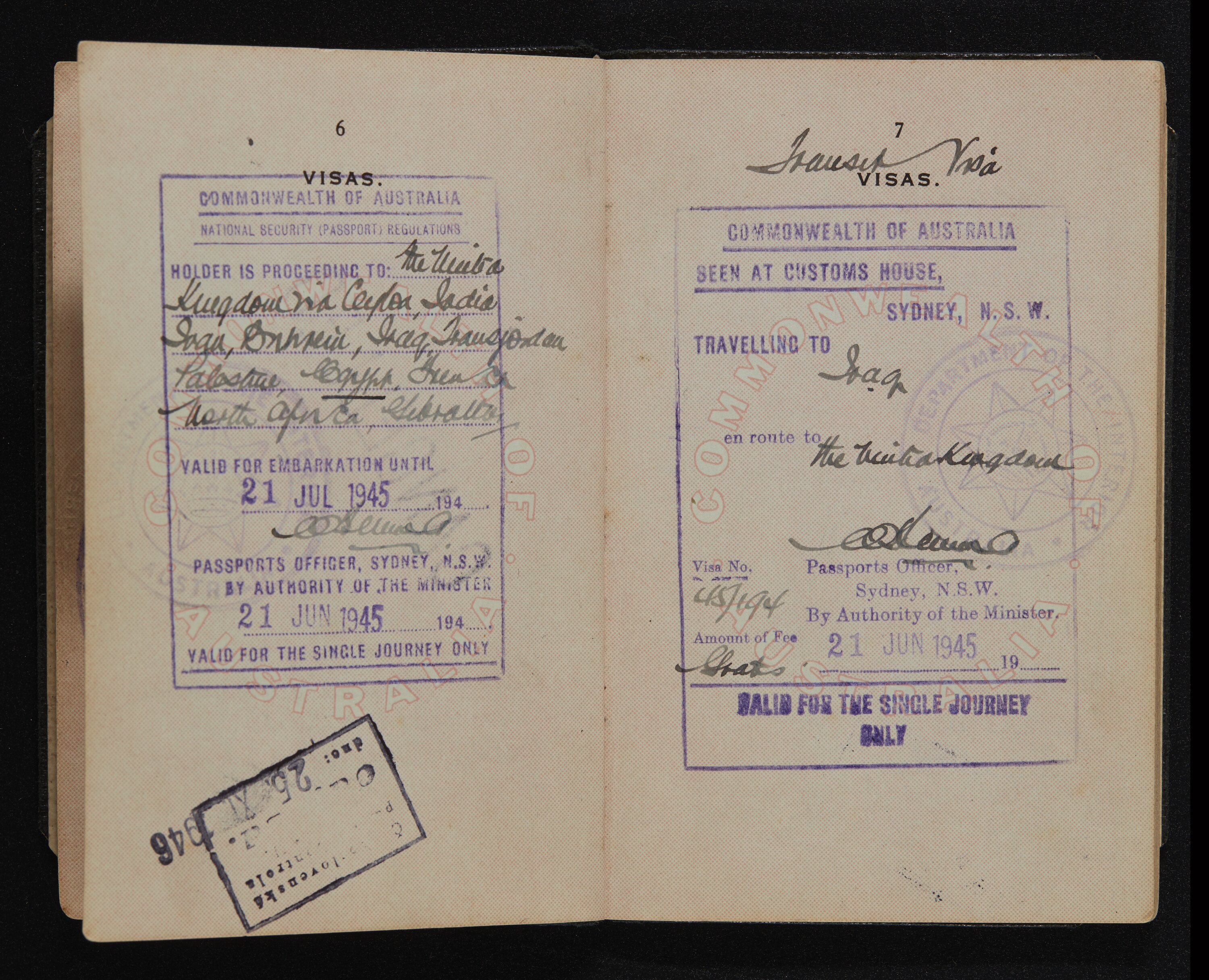
A travel document stamp, symbolising the paperwork affected by the USCIS fee increase October 2026 rule

The $100,000 H-1B Fee Is Dead for Now — But Don’t Celebrate Yet

The $100,000 fee the Trump administration tried to attach to many H-1B petitions remains blocked, but the H-1B visa fee court fight is nowhere near settled. On 24 July 2026, the US Court of Appeals for the First Circuit denied the federal government’s motion to pause a lower court ruling that had vacated the fee, according to reporting from SHRM. That leaves the fee unenforceable while the broader legal battle continues.

How the H-1B visa fee court fight got here

President Trump issued a proclamation on 19 September 2025 requiring an extra $100,000 payment for H-1B petitions processed through consular notification, a filing route commonly used by employers sponsoring workers applying from outside the United States. A Massachusetts district court, in a lawsuit brought by attorneys general from 20 states, ruled on 8 June 2026 that the fee effectively functioned as a tax and violated the Administrative Procedure Act, the federal law governing how agencies issue binding rules. US District Judge Leo Sorokin, who issued that ruling, found the fee exceeded the president’s authority, according to Staffing Industry’s reporting on the case. The district court then stayed its own ruling, which, somewhat counterintuitively, let USCIS keep collecting the fee while the government pursued its appeal.

What the appeals court actually ruled

That is where the First Circuit’s July decision changes the picture. The appeals court found the government unlikely to succeed in overturning the district court’s underlying ruling, and on that basis refused to let the fee collection continue during the appeal. Crucially, the court did not decide whether the $100,000 fee policy is ultimately lawful, only that the government hadn’t shown enough likelihood of winning to justify keeping it in force while the case plays out. That is a narrower, more procedural ruling than a final verdict on the fee’s legality, even though its practical effect right now is the same: employers don’t have to pay it.

What employers should actually do

For companies filing new H-1B petitions, including cap petitions, the immediate guidance is straightforward: the fee cannot currently be enforced, so petitions can move forward without it, though consulting immigration counsel before filing remains sensible given how quickly this status could change. For employers who already paid the fee before the ruling, the picture is murkier. They should hold on to proof of payment and wait for formal agency guidance, since it isn’t yet clear whether, or how, that money could be recovered. USCIS is expected to issue its own instructions on resuming H-1B filings in light of the ruling.

Why this almost certainly isn’t the end of it

One attorney quoted in the SHRM reporting expects the government to seek an emergency stay directly from the Supreme Court, which could act on such a request at any time regardless of the normal appeals calendar. If the Supreme Court grants a stay, the fee could come back into force while the underlying legal questions are still being litigated. The fee could also return outright if the government eventually wins its appeal, or if Congress passes legislation authorizing a similar charge through ordinary lawmaking rather than executive proclamation.

The broader legal landscape adds more uncertainty. Several related cases are still working their way through the courts, including State of California v. Markwayne Mullin, Chamber of Commerce v. DHS now on appeal at the DC Circuit, and Global Nurse Force v. Trump in the Northern District of California. Any one of those could shape how, or whether, a version of this fee eventually survives in some form.

What to watch in the weeks ahead

Watch for two things in the coming weeks: whether the government actually files for an emergency Supreme Court stay, and whether USCIS issues the formal filing guidance it’s expected to produce. Until either happens, H-1B sponsors can treat the $100,000 fee as paused rather than cancelled, and should plan filings with the possibility that the rules could shift again on short notice.

Frequently asked questions

Is the $100,000 H-1B fee currently in effect?
No. The fee cannot currently be enforced. The First Circuit Court of Appeals denied the federal government’s request to pause a lower court ruling that vacated the fee, so USCIS cannot collect it while the government’s appeal continues.

What did the First Circuit actually decide?
On 24 July 2026, the US Court of Appeals for the First Circuit denied the government’s motion to stay a 8 June 2026 district court order. It found the government unlikely to succeed on appeal, but it did not rule on whether the fee policy itself is ultimately lawful.

Where did the $100,000 H-1B fee come from?
President Trump issued a proclamation on 19 September 2025 requiring an extra $100,000 payment for H-1B petitions processed through consular notification. A Massachusetts district court later ruled on 8 June 2026 that the fee functioned as a tax and violated the Administrative Procedure Act.

Could the H-1B visa fee ruling still be overturned?
Yes. One attorney quoted in reporting on the case expects the government to seek an emergency stay from the Supreme Court, which could act at any time. The fee could also return if the government wins its appeal outright, or if Congress separately authorizes it.

What should employers do if they already paid the fee?
Keep proof of payment and wait for formal USCIS guidance, since it remains unclear how the ruling affects an employer’s ability to recover money already paid. Employers currently filing new H-1B petitions can do so without the fee for now, though consulting immigration counsel first is advisable.

Are other lawsuits challenging similar fees?
Yes. Separate related cases, including State of California v. Markwayne Mullin, Chamber of Commerce v. DHS at the DC Circuit, and Global Nurse Force v. Trump in Northern California, remain pending and could affect how this fight ultimately resolves.

For more on how US work-visa policy has been shifting, see our coverage of the DHS proposal to end deference on work visa extensions and the PERM suspension affecting major employers.

Visa and passport paperwork relevant to the H-1B visa fee court fight