
The UK Immigration Rules HC 584 package, published by the Home Office on 3 September 2026, has now taken effect for most of its changes, with the main provisions applying to applications and entries from 8 October 2026, according to a Lewis Silkin summary. The package widens what visitors can do in the UK, adds Erasmus+ to the rules and tightens how the system treats people who have previously frustrated immigration controls. The official statement is listed on GOV.UK, which shows it was last updated on 22 October 2026 without explaining why.
Contents
- Visitor rules now more permissive
- Erasmus+ enters the Immigration Rules
- Where the rules tighten
- What it looks like for a student
- What happens next
- Questions on HC 584
Visitor rules now more permissive
Lewis Silkin reports that for visa applications or entries on or after 8 October 2026, all visitors may take part in workshops and debates and attend skills competitions. Visitors who come to train in the UK no longer have to show the training is unavailable in their home country. Visiting artists, entertainers and musicians may attend rehearsals as well as performances, and a new “entertainment staff” definition lets people employed outside the UK by a visiting performer assist with the same creative activities.
Erasmus+ enters the Immigration Rules
For applications made on or after 8 October 2026, Erasmus+ is added to the Government Authorised Exchange requirements, according to the same summary. A new visitor activity category, “Erasmus+ activities”, covers programme-related training, education and work experience. Visitors on an Erasmus+ project may study at UK state-funded schools and academies for up to six months, subject to child safeguarding and other eligibility requirements, and students on Erasmus+ courses can be sponsored whether or not the course leads to an approved qualification. Lewis Silkin states that the UK rejoins Erasmus+ on 1 January 2027, which is when these provisions are designed to operate.
Where the rules tighten
Two changes point the other way. In-country applicants who have previously frustrated immigration controls, for example by failing to report for or absconding from bail, will be treated as having breached immigration law, which aligns in-country refusals with entry clearance. And for variation applications made on or after 8 October 2026, biometrics must be enrolled by the deadline for the previous application, leaving a single enrolment period. A further change lets Skilled Workers recognised as modern slavery victims, through a positive Conclusive Grounds decision, take other work for the rest of their visa; professional sport and sports coaching stay barred and the public funds restriction is unchanged. Lewis Silkin notes the Home Office has not yet published how that process will work.
What it looks like for a student
As an illustration, not a real case: a Brazilian university student whose home institution joins an Erasmus+ project with a UK partner would, from 2027, fall under the new Erasmus+ activities category rather than a general visitor route. They should confirm the exact route, fees and documents with the sponsor and with GOV.UK before booking travel. Students planning longer study should also see our guide to the UK student visa funds increase and use the visa eligibility checker to plan a route.
What happens next
The Home Office will need to publish guidance on the modern slavery work process, and the Erasmus+ provisions are tied to the 1 January 2027 start. Other dated items in the package, such as later student maintenance changes, should be checked against the primary statement before you rely on them; we did not verify them against the statement’s PDF for this report.
Questions on HC 584
When did HC 584 take effect?
Most changes apply to applications or entries from 8 October 2026, according to Lewis Silkin. The statement itself was published on 3 September 2026.
What can visitors now do?
Attend workshops, debates and skills competitions; trainees no longer need to show training is unavailable at home; artists may attend rehearsals.
When does the UK rejoin Erasmus+?
Lewis Silkin states 1 January 2027.
Is there a new Erasmus+ visa route?
There is a new visitor activity category called Erasmus+ activities, plus changes to the Government Authorised Exchange rules.
Who is affected by the biometrics change?
People making variation applications on or after 8 October 2026, who now get a single enrolment period tied to the earlier application’s deadline.
Where is the official text?
On GOV.UK under Statement of changes to the Immigration Rules HC 584.
Sources
- Home Office — Statement of changes to the Immigration Rules: HC 584. https://www.gov.uk/government/publications/statement-of-changes-to-the-immigration-rules-hc-584-3-september-2026
- Lewis Silkin — Summary of Autumn 2026 immigration rule changes. https://www.lewissilkin.com/insights/2026/09/30/summary-of-autumn-2026-immigration-rule-changes-102o3xt
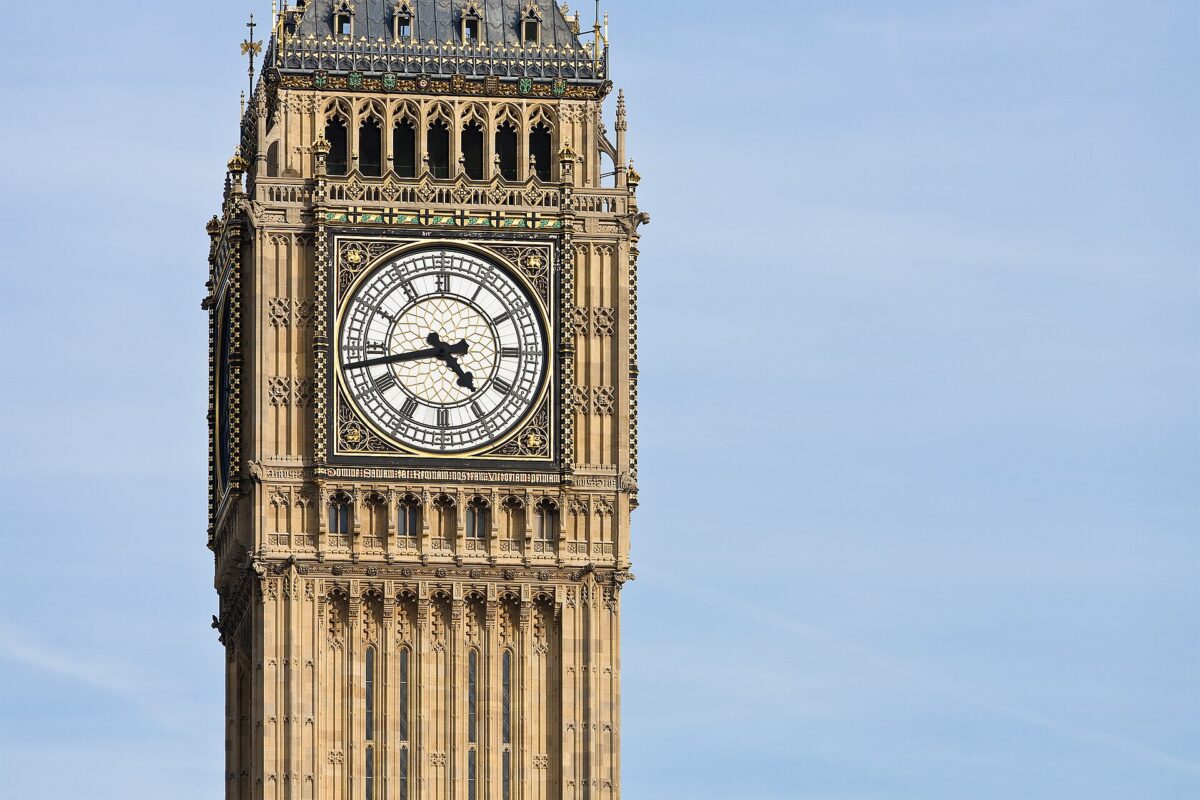
Image: Palace of Westminster clock tower by Diliff, CC BY 3.0, via Wikimedia Commons.
