Saudi Property Company Registration: What Foreign Firms Must File

Saudi property company registration is now a defined process for foreign firms that want to own property without running a business in the kingdom. Gulf Business reported on 6 June 2026 that the Ministry of Investment added a chapter on registering non-Saudi companies for property ownership to its Investor Guide 2026. The service was available through the ministry’s electronic portal at the time. The piece cites a Saudi Gazette report, and the ministry’s own pages are the place to confirm current rules.

Contents

Who this route is for

The rule covers non-resident foreign companies that want to own property in Saudi Arabia “without engaging in economic activities,” in Gulf Business’s words. It does not cover a firm that wants to trade, hire or run operations in the kingdom. Those firms follow the ministry’s investment licensing process, which the Ministry of Investment site links to.

Saudi property company registration covers foreign firms that want to own property in Riyadh
The north side of Riyadh.

The Saudi property company registration checklist

According to Gulf Business, a foreign company needs six items. It needs a commercial registration certificate from its home country, translated by an accredited office and authenticated by the Saudi Embassy. It needs its articles of incorporation, put through the same translation and authentication process. It needs an authorisation document appointing a company representative, again authenticated. It needs a natural person named as authorised representative through a certified power of attorney. A company without a Saudi-recognised identification document must first get a digital identity through a Saudi diplomatic mission abroad. For annual updates, the ownership structure or management must not have changed since the original registration.

Think of the process as three layers: corporate proof, a named human representative, and an identity the Saudi system recognises. A gap in any layer stops the file.

How this differs from an operating licence

A firm that wants to trade, hire staff or open an office in Saudi Arabia needs an investment licence from the ministry, not this property registration. The two routes answer different questions. The property route asks who owns the real estate and who acts for the owner. The operating route asks what the business will do in the kingdom.

The distinction matters because the property route is limited by design. A company that registers only to own property cannot use that registration to run commercial activity. A company that later wants to earn rent as part of a wider business should speak to a Saudi lawyer before it signs anything.

After registration

The new chapter also covers property management and disposal obligations, bank account procedures, and updates to company and representative details. Each of those steps carries its own paperwork, so plan for ongoing filings rather than a one-time registration.

Take a hypothetical case. Camila is a Colombian investor who owns a holding company in Bogotá and wants to buy an office floor in Riyadh. She would start with her home-country certificate and articles. She would then arrange translations, Saudi Embassy authentication and a power of attorney for a named representative. Camila is an illustration only.

A sensible order for the paperwork

The order below is practical advice, not an official sequence. Start by naming the representative, because that person’s power of attorney and identity documents shape the rest of the file. Next, order certified copies of the home-country registration certificate and articles. Then book accredited translation, because the Saudi Embassy authenticates translated documents. Finally, allow time for the digital identity step if the company has no Saudi-recognised ID, since it runs through a Saudi diplomatic mission abroad.

Keep a single folder with originals, translations and authentication stamps. The annual update rule also means you should keep the company’s ownership and management records stable. A change in either can reopen the process.

What the guide does not tell you

Gulf Business states no fee and no effective date beyond the service being available at the time of the report. Readers should not assume costs or timelines. The report also relies on the Saudi Gazette, and Tamara News has not seen the full Investor Guide chapter. A foreign company should also take local legal advice on tax, financing and title rules, because the chapter covers registration, not every legal question about buying property. This article is general information, not legal advice.

For wider context on how Gulf governments are reshaping business law, read our coverage of the UAE commercial companies law amendments and the latest on OPEC’s output decision. Founders comparing jurisdictions can start with our company formation service.

Saudi registration: quick answers

Who can use this registration route?

Non-resident foreign companies that want to own property in Saudi Arabia without engaging in economic activities.

Who issues the rules?

Gulf Business reports that the Ministry of Investment added the chapter to its Investor Guide 2026.

Do documents need translation?

Yes. The commercial registration certificate and articles of incorporation need accredited translation and authentication by the Saudi Embassy.

Do I need a local representative?

Yes. The company must appoint a natural person as authorised representative through a certified power of attorney.

What does it cost?

The report does not state any fee, so check the ministry’s portal.

Sources

Everyone Says AI Data Centers Are a Bubble. Spending Says Otherwise

AI data center spending by the biggest technology companies is accelerating faster than ever in 2026. Even as a growing chorus of investors. Bankers and at least one major tech executive warns that the industry is building capacity faster than it can justify financially.

Commercial real estate and finance outlets tracking the sector describe capital expenditure from the largest cloud and AI companies climbing well beyond what analysts projected a year ago. Driven by competition to secure the compute capacity needed to train and run increasingly large AI models.

How big AI data center spending has actually gotten

Despite repeated warnings about a bubble, spending has not slowed. Reporting on the sector describes big technology companies accelerating data centre buildouts rather than pausing. New facilities announced on a near-monthly basis through 2026. The scale of commitment has made data centre construction one of the largest single drivers of capital spending across the entire technology sector this year.

AI data center spending illustration

Much of this expansion is now being financed through complex debt arrangements rather than straightforward corporate cash. Analysts say raises the financial stakes if AI revenue growth fails to keep pace with the infrastructure bill.

Who is sounding the alarm

The chairman of Alibaba has publicly warned about a “swelling bubble” in AI data centres. A notable caution from an executive whose own company is a major cloud infrastructure player. Separate analysis has flagged potential air pockets in data centre debt markets heading into 2027 if financing costs rise or AI revenue disappoints.

The warnings echo a broader pattern already visible elsewhere in the AI sector this year. Including delayed plans for AI data centre IPOs amid valuation concerns. Investors are growing more selective even as headline spending keeps climbing.

Why spending keeps rising despite the warnings

Technology companies argue that falling behind on compute capacity now risks permanent competitive disadvantage later. Making continued investment a rational bet even amid uncertainty. That logic has so far outweighed caution at the corporate level. Even as individual executives and outside analysts raise concerns about whether current spending levels can be justified by realistic revenue projections.

The test still to come

The real test for AI data centre spending will arrive when the current wave of facilities comes fully online and companies must show that AI-driven revenue justifies the capital already committed. Until then, expect continued announcements of new projects alongside continued warnings from skeptics. Little sign either side is backing down.

Watch debt markets tied to data centre financing closely. A noticeable repricing there would be the clearest early signal that the bubble warnings are starting to bite rather than just circulating as commentary.

Further coverage

Our earlier report on AI data centre IPOs being delayed over valuation concernscovers the investor side of this story in more depth, and our piece on theFinland government halting a Google data centre projectshows how local pushback is becoming part of the picture too.

What a slowdown would actually look like

Analysts say the clearest early warning would not be a dramatic single event but a quieter shift. Fewer new project announcements, longer gaps between funding rounds. Lenders demanding tighter terms on data centre debt. None of those signals has shown up broadly yet. Is part of why the spending-versus-bubble debate remains unresolved.

The comparison investors keep reaching for

Some analysts have compared the current AI infrastructure build-out to earlier technology investment cycles. Including the fibre-optic buildout of the late 1990s, where genuine long-term demand eventually justified the infrastructure. Not before a painful shakeout among companies that overbuilt or overpaid for capacity in the meantime.

Whether AI follows that same arc, useful infrastructure surviving a financial reckoning. Something closer to a sustained boom without a correction. Remains the central unresolved question hanging over every new data centre announcement this year.

What smaller players are doing differently

While the largest cloud providers keep expanding. Some smaller or mid-sized technology firms have begun renting capacity rather than building their own facilities. A hedge against committing capital to infrastructure that could lose value quickly if the bubble warnings prove correct. That split between owners and renters of AI compute is becoming one of the clearer dividing lines in the industry this year.

That rent-versus-own divide is likely to sharpen further as financing conditions shift. Giving a clearer read on who within the industry genuinely believes the current spending pace is justified by future demand.

Frequently Asked Questions

Is AI data center spending actually a bubble?

That’s disputed. Spending is accelerating rather than slowing. Prominent voices including Alibaba’s chairman have warned publicly about a swelling bubble in the sector.

Why are tech companies still building so many data centers?

Companies argue that falling behind on AI compute capacity now risks permanent competitive disadvantage. Making continued investment worthwhile even amid bubble warnings.

How is this spending being financed?

A growing share is financed through complex debt arrangements rather than direct corporate cash. Analysts say increases financial risk if AI revenue underwhelms.

Has this affected AI-related IPOs?

Yes. Several planned AI data center IPOs have been delayed amid broader valuation concerns tied to the same spending debate.

What would show the bubble warnings are correct?

A visible repricing in data center debt markets. A slowdown in new project announcements. Would be early signs that financing concerns are starting to bite.

Sources

Your Next Laptop Is About to Cost More, and Memory Chips Are Why

A worsening memory chip price shortage has pushed the cost of DRAM and SSD storage sharply higher through 2026. Some component prices up more than 100% in just a few months as AI data centre demand collides with limited factory capacity.

Industry tracker TrendForce and multiple supply-chain reports describe a memory market caught off guard by how fast AI server buildouts have absorbed supply that used to go toward phones. Laptops and game consoles. The result is a squeeze that is now reaching ordinary consumer electronics. Not just data centre hardware.

How bad the memory chip price shortage has gotten

Reports tracking component pricing found RAM and storage costs rising by as much as 107% over a three-month stretch in mid-2026. DRAM contract prices alone projected to climb roughly 90% in a single quarter. Multiple supply-chain publications describe memory makers in South Korea and the United States halting routine price quotes altogether for stretches of the year. An unusual move that left module makers and PC builders unable to even get a firm number to plan around.

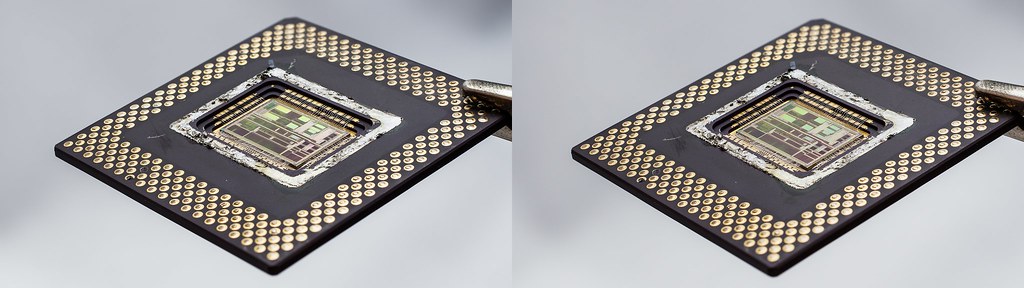
memory chip price shortage illustration

The driver is demand, not a single factory outage. AI companies are buying high-bandwidth memory and standard DRAM at a pace that memory manufacturers did not plan their factories around two or three years ago. When the current generation of fabrication capacity was being built.

Who actually pays for the shortage

PC and phone makers are the first to feel it. Memory and storage are built into nearly every device they sell. Consumer electronics brands have already signalled that higher component costs are working their way into retail prices. The squeeze is expected to persist through at least the first half of 2027 given how long it takes to add new memory fabrication capacity.

For AI companies themselves, the shortage cuts the other way. It is both a symptom of how much hardware they are buying and a rising cost line in their own infrastructure budgets. Adding to the broader debate over whether AI data centre spending is sustainable at its current pace.

Why this is not a simple supply-and-demand story

Semiconductor supply chains cannot expand overnight. Building new memory fabrication capacity typically takes one to two years and billions of dollars. Even if manufacturers commit today to new plants, relief for consumers would not arrive quickly. That lag is part of why industry trackers expect prices to keep climbing into 2027 rather than ease once current orders are filled.

Where memory prices go from here

Expect component costs to keep showing up in finished-product prices for laptops. Phones and game consoles through the rest of 2026 and into 2027. Memory makers have strong incentive to keep expanding capacity given the margins on offer. New fabrication plants take years to come online. The current squeeze is unlikely to ease quickly.

Buyers in the market for new devices or server hardware should expect list prices to track memory costs closely for the foreseeable future. Businesses planning data centre expansions should budget for storage and memory costs well above what they may have modelled a year ago.

Related reading

This shortage sits alongside a wider reckoning over AI infrastructure spending covered in our report ondelayed AI data centre IPOs amid valuation concerns, and our earlier coverage of Finland halting a Google data centre project.

How businesses are responding

Some device makers have started locking in longer-term supply contracts to protect against further price swings. Others are passing costs directly to consumers rather than absorbing them. Either approach reflects the same underlying reality. Nobody in the supply chain expects memory prices to return to 2024 levels while AI infrastructure spending keeps climbing.

What this means for the AI companies driving demand

Ironically, the same AI firms whose appetite for memory helped create the shortage are now paying more for the chips they need to keep expanding. That dynamic adds another cost pressure on top of the compute and power expenses already drawing scrutiny from investors watching overall AI infrastructure spending.

It also creates an incentive for AI companies to invest directly in memory supply. Whether through long-term purchase agreements or direct stakes in manufacturers. A strategy some chipmakers and cloud providers have already begun pursuing to lock in capacity rather than compete for it on the open market.

Frequently Asked Questions

Why are memory chip prices rising so fast in 2026?

AI data centre buildouts are consuming DRAM and high-bandwidth memory at a pace manufacturers didn’t plan their factories around. Leaving limited supply for phones, laptops and consumer electronics.

How much have memory prices increased?

Industry reports have tracked RAM and storage price increases of up to 107% over a three-month period in 2026. DRAM contract prices projected to rise roughly 90% in a single quarter.

Will laptop and phone prices go up because of this?

Likely yes. Consumer electronics makers have signalled that higher component costs are feeding into retail prices as the memory chip price shortage continues.

When will the memory shortage end?

Analysts expect the squeeze to persist through at least the first half of 2027. New memory fabrication capacity typically takes one to two years to come online.

Is this shortage connected to AI spending concerns?

Yes. The same AI infrastructure boom driving memory demand is also fuelling broader questions about whether current data centre investment levels are sustainable.

Sources

Singapore ONE Pass Replaces Tech.Pass, With a S$30,000 Bar

The Singapore ONE Pass will gain a dedicated AI and Technology track on 28 January 2027, and it replaces Tech.Pass. An EY tax alert says the Ministry of Manpower (MOM) confirmed the opening date and the eligibility rules. The same alert says the track was first announced on 3 March 2026. From 28 January 2027, the Economic Development Board (EDB) stops taking new and renewal Tech.Pass applications.

In this guide

What the Singapore ONE Pass AI and Tech track requires

The pay test is the first hurdle. Applicants must have earned at least S$30,000 a month, or the foreign-currency equivalent, for 12 consecutive months before applying. At least S$22,500 of that monthly figure must be fixed salary. The rest can come from vested non-cash pay such as employee stock options and share awards, and MOM assesses that portion.

The experience test is just as firm. Applicants need at least five cumulative years in the past ten as a founder, a C-suite officer, a technical professional, or a mix of those roles. The applicant’s current or most recent employer must be a tech company, the tech division of a larger company, or a tech venture capital firm.

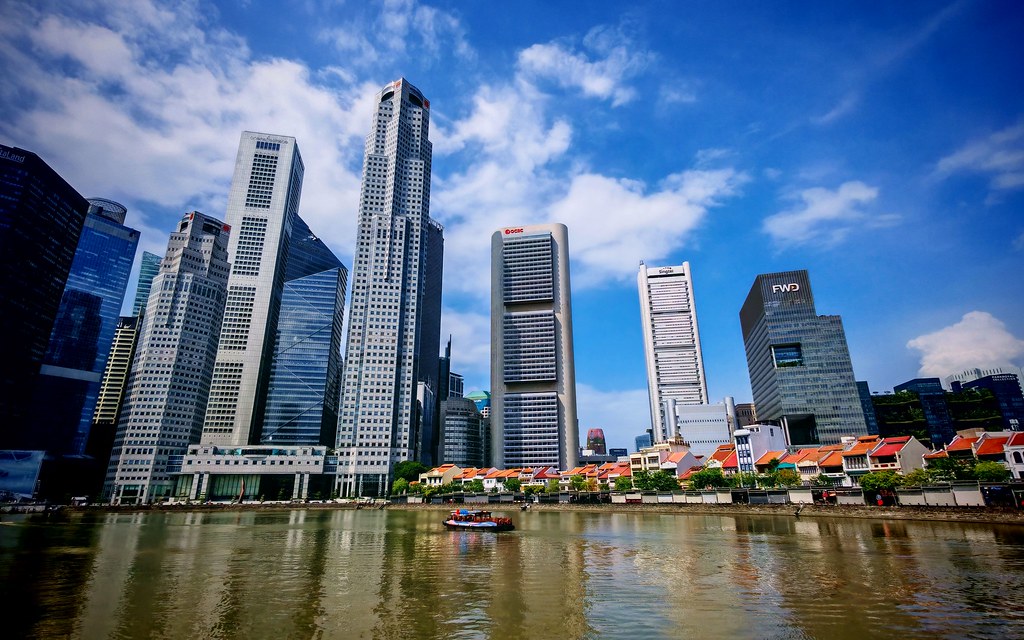
Singapore ONE Pass applicants will work in the Raffles Place financial district
Raffles Place, Singapore’s financial district.

The company-size test

The employer must also meet a scale threshold. It needs at least one of these: a valuation or market capitalisation of US$500 million, annual revenue of US$200 million, assets under management of US$500 million, or, for a tech start-up, US$30 million in funds raised. This rule screens out smaller employers even when the individual’s pay clears the bar.

Applicants must submit 12 months of payslips, proof of the qualifying founder, C-suite or technical roles, and recent financial information about the employer’s scale. The law-firm summary at Clark Hill lists the same documents and the same thresholds.

If you hold Tech.Pass today

Existing Tech.Pass holders keep their passes until those passes expire. The EY alert says eligible holders can then apply for the AI and Tech track or choose another work pass. The EDB’s own Tech.Pass page remains the place to confirm how the scheme winds down.

Consider a hypothetical case. Priya is a senior machine-learning engineer from Bengaluru who earns S$32,000 a month at a large AI company. Her fixed salary is S$24,000 and the rest is vested stock. She clears the pay test, because S$22,500 a month in fixed salary equals S$270,000 a year, and her total pay comes to S$384,000. She would still need to show that her employer meets one of the scale thresholds. Priya is an illustration, not a real applicant.

What the pass gives you

The pass runs for up to five years per issuance. According to EY, it is exempt from the Complementarity Assessment Framework (COMPASS) and the Fair Consideration Framework. Holders can take on several professional activities, or move between employers, without a fresh work pass application.

Renewal has two routes. A holder can show an average fixed monthly salary of at least S$30,000 over the preceding five years in Singapore. Alternatively, a holder can run a Singapore company with at least five local employees who each earn at least the prevailing Employment Pass qualifying salary.

Who will likely fall short

Many strong candidates will miss the bar. A founder whose start-up has raised less than US$30 million fails the scale test. An engineer paid mostly in cash below S$22,500 a month fails the fixed-salary test. A consultant who moved between non-tech employers fails the employer test. The pass targets a narrow group, so most skilled workers should look at other Singapore work passes instead.

Key dates and next steps

Three dates matter. Applications open on 28 January 2027. Tech.Pass stops accepting new and renewal applications the same day. Existing passes stay valid until they expire. If you plan to apply, start collecting 12 months of payslips now, and ask your employer’s finance team for the scale evidence.

The sources reviewed do not say how the pass treats dependants. Check MOM’s official guidance before you plan a family move. Readers who want a quick read on their own options can try our visa eligibility checker. Founders weighing a Singapore base can read our company formation guide.

Questions on the ONE Pass change

When does the AI and Tech track open?

Applications open on 28 January 2027, according to the MOM announcement summarised by EY. Tech.Pass stops taking new and renewal applications on that date.

What salary does the pass require?

Applicants need at least S$30,000 a month for 12 consecutive months. At least S$22,500 of that must be fixed salary, and vested non-cash pay can cover the rest.

Does my employer have to be a big company?

Yes. The employer must meet one scale test: a US$500 million valuation or market cap, US$200 million revenue, US$500 million assets under management, or US$30 million raised for a start-up.

What happens to my current Tech.Pass?

You keep it until it expires. After that, you can apply for the AI and Tech track if you qualify, or choose another work pass.

How long does the new pass last?

It is issued for up to five years at a time, with renewal rules based on salary history or on running a Singapore company with local staff.

Related coverage

For more on talent and business rules, read our report on the UAE commercial companies law changes and our explainer on Australia’s skilled visa salary thresholds.

Sources

Kevin Warsh Faces His Biggest Fed Decision Yet on October 27

The Fed October rate decision on October 27-28 will be the first real test of Kevin Warsh’s young tenure as Federal Reserve chair. Coming weeks after his first rate increase in September and with US inflation still running above the Fed’s target for a fifth straight year.

Warsh, confirmed by the Senate in a narrow 54-45 vote in May. Replaced Jerome Powell after eight years in the role and promised what he called “regime change” at the central bank. Criticising the institution as too political and too open in how it explains its decisions.

Why the Fed October rate decision matters this time

Warsh’s first meeting as chair, in June. Set the tone for a leadership style built on fewer public signals and more deference to incoming data. Since then, the Fed raised rates once, in September. Even as inflation has stayed stuck above the 2% goal. Economists tracking the Fed describe the US as lodged in what amounts to a 3% inflation regime rather than the 2% world the central bank officially targets.

Fed October rate decision illustration

That combination, a new chair, sticky inflation and a tightening bias. Has pushed the US 10-year Treasury yield up to around 5.25%. From roughly 4% a year earlier. Bond investors price in the chance of further increases rather than the rate cuts many had expected when Powell’s term ended.

What markets expect from the October 27 meeting

Officials tracking the Fed’s calendar say the central bank’s rate-setting committee meets on October 27 and 28. A decision due at 2pm Eastern time on the second day. Commentary circulating ahead of the meeting, including from the Official Monetary and Financial Institutions Forum. Suggests markets are bracing for further tightening rather than a pause. Given Warsh’s stated priorities and the inflation data so far.

The decision also lands squarely inside the week of the IMF and World Bank’s Annual Meetings in Bangkok. Where delegates are already discussing US fiscal deficits of roughly 6% of GDP and a Treasury market showing signs of strain.

The political backdrop Warsh cannot ignore

Warsh takes over an institution that had grown accustomed to detailed forward guidance under Powell. His pledge to pull back from that approach means each meeting now carries more uncertainty for markets trying to anticipate the Fed’s next move. His background, including time on the Fed’s Board of Governors from 2006 to 2011 and a stint in the George W. Bush White House, gives him institutional credibility. His public criticism of the Fed’s prior communication style marks a deliberate break from his predecessor.

What to watch once the decision lands

If the Fed raises rates again on October 27. Expect an immediate reaction in Treasury yields and mortgage rates. Along with renewed debate over whether a 3% inflation world is becoming the new normal rather than a temporary overshoot. If the committee instead holds steady, watch Warsh’s public remarks closely. He has promised a less chatty Fed. Markets will have less to go on between meetings than they are used to.

Either way, the decision will shape borrowing costs for mortgages. Business loans and government debt well into 2027. At a moment when several major economies are already navigating their own fiscal strain.

Also on Tamara News

For the view from this week’s global economic summit, read our report on theIMF and World Bank meetings in Bangkok, and for how markets have been pricing risk heading into earnings season. See our coverage of theOPEC decision to hold oil output steady.

How this compares with past Fed transitions

Chair transitions at the Fed have historically come with a period of market uncertainty as investors recalibrate how the new leadership will balance growth against inflation. Warsh’s preference for fewer public signals makes that recalibration harder than usual. Traders have less of the detailed guidance they leaned on under Powell to anticipate the October decision.

What a less talkative Fed means for everyone else

Markets have spent more than a decade building strategies around detailed Fed communication. From dot plots to carefully worded post-meeting statements. Warsh’s preference for a quieter approach forces investors. Mortgage lenders and corporate treasurers to rely more heavily on raw economic data between meetings. Rather than parsing central bank language for hints about the next move.

That shift could make markets more volatile around each rate decision. Including the one due October 27-28. Simply because there will be fewer advance signals to soften the reaction when the committee’s decision is finally announced.

Frequently Asked Questions

When is the Fed’s October 2026 rate decision?

The Federal Reserve’s rate-setting committee meets October 27-28, 2026. The decision expected at 2pm Eastern time on October 28.

Who is the current Federal Reserve chair?

Kevin Warsh, confirmed by the Senate 54-45 in May 2026, succeeded Jerome Powell. Who completed eight years in the role and remains on the Fed’s Board of Governors.

Has the Fed raised rates recently?

Yes. The Fed raised rates in September 2026 under Warsh. Analysts expect the October meeting to determine whether that tightening continues.

Why is US inflation still above target?

US inflation has run above the Fed’s 2% target for roughly five years. Some economists describing the economy as settled into a de facto 3% inflation regime.

How does the Fed decision connect to the IMF meetings in Bangkok?

The Fed’s October decision falls during the same week as the IMF and World Bank’s Annual Meetings. Where officials are already discussing elevated US fiscal deficits and bond-market stress.

Sources