
Meet someone near you.
Live video chat with people nearby. One tap, free to start.

John Healey delivered his first Autumn Budget as Chancellor of the Exchequer on October 28. He reversed several tax changes his predecessor had announced only a year earlier. He also raised taxes elsewhere to pay for energy and cost-of-living relief. The UK Autumn Budget 2026 drops Rachel Reeves’ planned cut to the cash ISA allowance. It freezes income tax thresholds for longer. And it pushes through a new income tax rise on savings and property income.
The trade-off is straightforward. Households get direct help with energy bills. Savers keep more flexibility. In exchange, higher earners and anyone with savings or rental income face a bigger tax bill than they did a year ago.
What the UK Autumn Budget 2026 changes on energy bills
Twenty million households in council tax bands A to D will get a one-off £100 payment. It lands directly in bank accounts from January 2027. Gas standing charges are being scrapped entirely. The government estimates 60% of households will save an average of £45 a year because of that change alone. A temporary cut of VAT on electricity to zero started on October 1. It will now run until July 2027 instead of reverting to 5% at the end of March. Officials expect that extension to shave around £50 off the annual Ofgem price cap when it would otherwise have climbed.
Savers keep their ISA allowance after all
The budget scraps, in full, a plan Reeves announced a year ago. That plan would have cut the cash ISA allowance from £20,000 to £12,000 for under-65s starting next April. Savers can keep putting up to £20,000 a year into a cash ISA instead. A separate plan would have taxed interest earned on uninvested cash sitting inside a stocks and shares ISA at 22%. That’s gone too, along with the “anti-circumvention rules” that were meant to go with it. The Treasury says it’s still exploring a new incentive to get first-time investors into stocks and shares ISAs. No details have been published yet.
Higher taxes on savings and rental income
To help pay for the energy and ISA concessions, tax rates on savings and property income are rising by two more percentage points. That’s on top of a two-point rise announced in last year’s budget. The basic rate on this income climbs from 20% to 24%. The higher rate rises from 40% to 44%. The additional rate goes from 45% to 49%. Income tax thresholds stay frozen until 2031 — the £12,570 personal allowance and the £50,270 higher-rate threshold don’t move. That means more people get pulled into higher tax bands as wages rise, even without any new rate change.
Smaller measures that still affect household budgets
Import tariffs have come off more than 100 everyday goods. The Treasury estimates that could save households up to £21 a year on groceries. Fuel duty stays frozen at its current rate, with the existing 5p cut remaining until July 2027. Business mileage rates rise to 55p per mile for the first 10,000 miles, then 35p after that, up from 25p. The national living wage climbs 3.9% to £13.21 an hour from April 2027. The rate for 18-to-20-year-olds rises to £11.27. Parental pay entitlements now reach more than 150,000 additional parents a year.
What households should watch for next
Most of the headline measures take effect from April 2027. That includes the £100 energy payment, the savings and property income tax rise, and the frozen thresholds. Households and employers have roughly five months to plan around them. One change is already moving faster: the electricity VAT extension took effect immediately. Tax advisers are urging anyone with significant savings or rental income to model the new 44% and 49% rates now, rather than waiting for April to arrive.
Tamara News has also covered other UK and EU policy moves from this period, including the opening of Lifelong Learning Entitlement applications and the UK-EU summit’s migration talks.
FAQ: the UK Autumn Budget 2026
- Who delivered the UK Autumn Budget 2026?
- Chancellor John Healey, in his first Autumn Budget since taking the role, delivered it to Parliament on October 28, 2026.
- Is the cash ISA allowance being cut?
- No. The budget scraps the previously announced cut from £20,000 to £12,000 for under-65s. The full £20,000 allowance stays.
- How much is the one-off energy payment and who gets it?
- £100, paid into bank accounts from January 2027, for 20 million households in council tax bands A to D.
- What is changing for savings and rental income tax?
- Rates are rising by two more percentage points: basic rate to 24%, higher rate to 44%, additional rate to 49%.
- Are income tax thresholds changing?
- No new cut, but they stay frozen until 2031. That draws more taxpayers into higher bands over time as incomes rise.
- When do most of these changes take effect?
- Most start in April 2027. The extended VAT cut on electricity is already in effect.
Sources
- Which? — Autumn Budget 2026: what changes did John Healey announce? which.co.uk
- House of Commons Library — Autumn Budget 2026. commonslibrary.parliament.uk
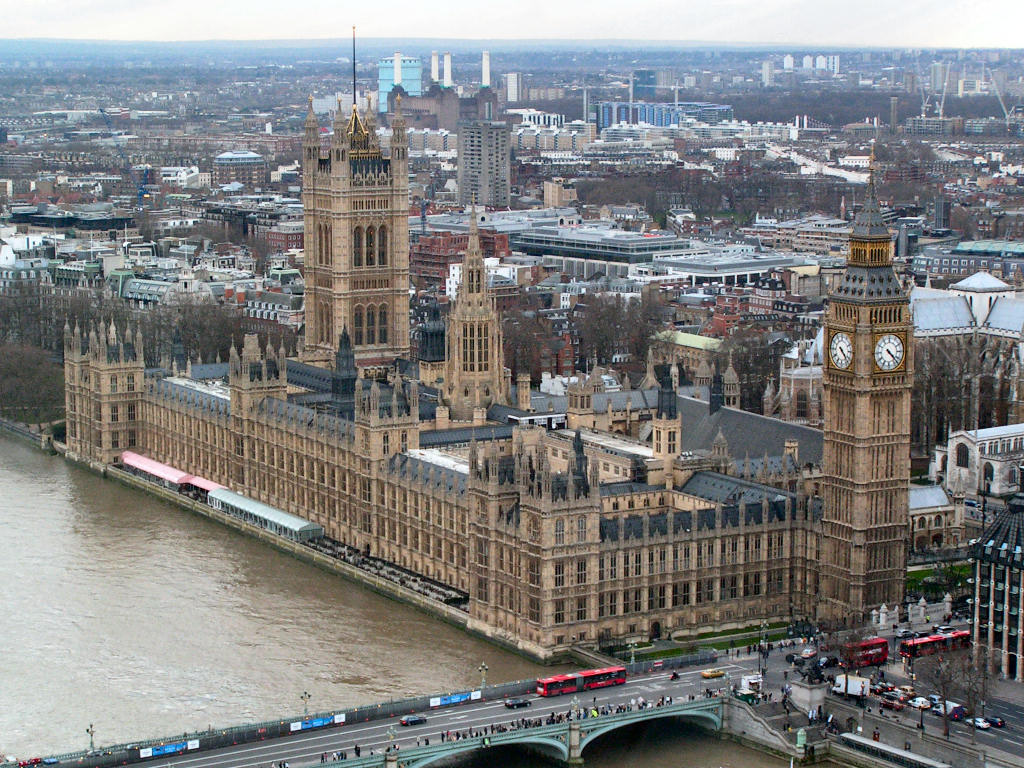
Image credit: featured photo by DaniKauf, Wikimedia Commons (CC BY-SA 3.0). In-content illustration is public domain.
Verification your users actually receive.
Send one-time passcodes over WhatsApp with a single API call. Replio can generate, hash and verify the code for you.
