
Meet someone near you.
Live video chat with people nearby. One tap, free to start.

Gaza’s ceasefire took hold on October 10, 2025. A year later, the deal’s biggest promises still haven’t happened. Israeli forces control more territory than the agreement originally allowed. Hamas still holds its weapons. Reconstruction funding exists on paper but hasn’t reached the ground. This Gaza ceasefire first year review draws on reporting from regional outlets marking the anniversary this month.
The deal did deliver on two fronts. It freed the remaining living Israeli hostages within three days. It stopped rocket fire from Gaza into Israel. Those results held. Much of the rest did not.
What the Gaza ceasefire first year actually delivered
Israeli forces now hold about 70% of Gaza. The original ceasefire terms set that figure at roughly 53%. Prime Minister Benjamin Netanyahu says Hamas must fully disarm before troops pull back further. He rejects the phased withdrawal the original deal described. Hamas hasn’t given up its weapons. It still controls security in parts of the territory it holds.
Gaza’s Health Ministry says Israeli strikes have killed around 1,450 people since the ceasefire began. That figure comes from the ministry itself, not an independent body, so treat it as one side’s count rather than a verified total. Still, it shows how far this arrangement sits from a genuine end to hostilities.

Reconstruction promised, reconstruction stalled
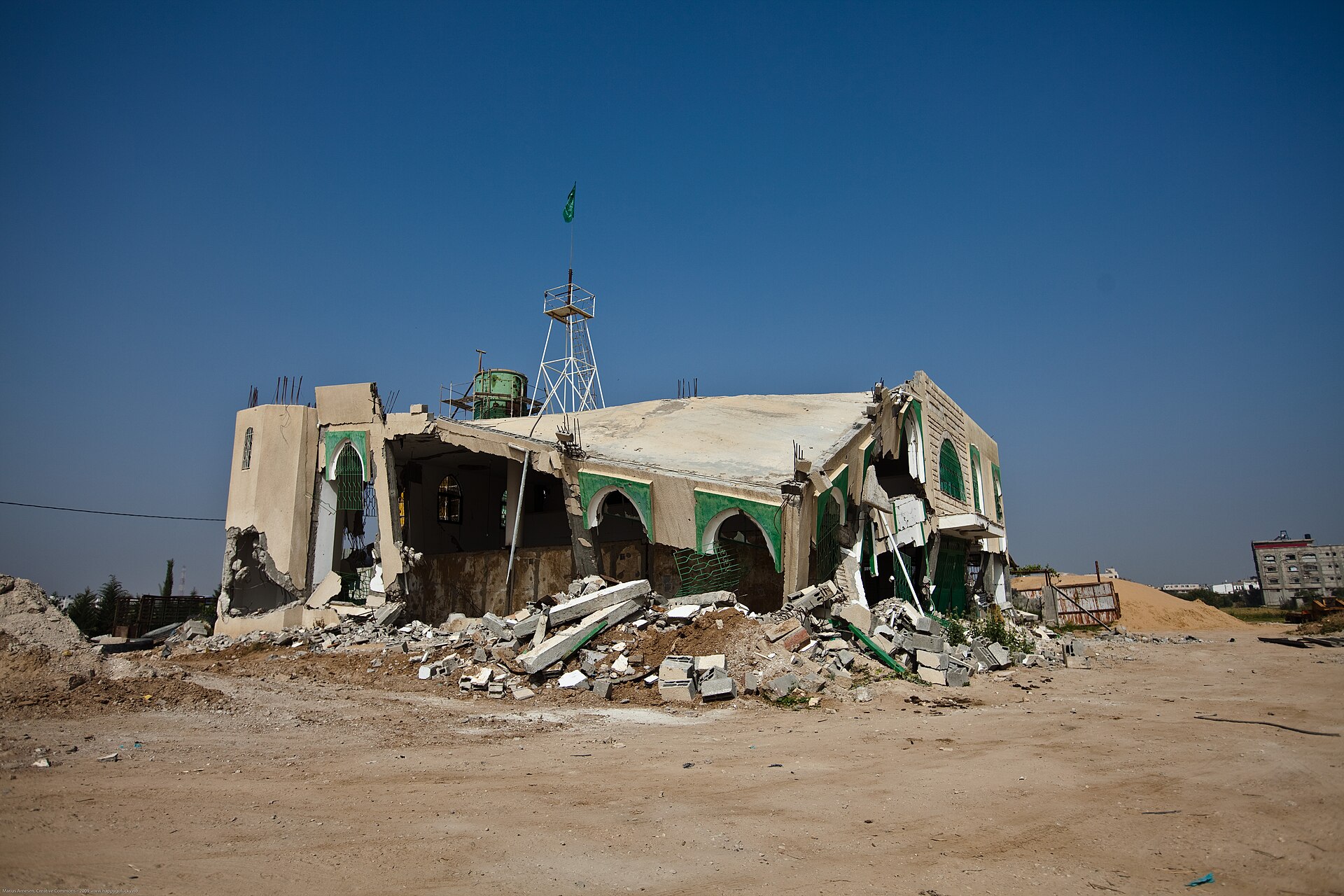
In September, the U.S.-led Board of Peace unveiled a $2.45 billion recovery plan. Officials said the projects would run over six months. None of that rebuilding has started. Most people in Gaza still live in tents, damaged buildings or temporary shelters. Winter is approaching. International donors have pledged money. The security deadlock has kept that money from turning into cleared rubble or new housing.
Who is running Gaza now
Hamas handed formal administrative control to a new Palestinian body in July. The National Committee for the Administration of Gaza, led by Ali Shaath, now manages civilian affairs. That handover was one of the ceasefire’s headline commitments. It hasn’t settled who controls security. Hamas kept its weapons and its presence in the areas it still influences.
Why the deadlock could last into 2027
Egyptian analyst Tarek Fahmy told Anadolu Agency the standoff could run at least three months past Israel’s late-October election. He said renewed pressure from Washington is the most likely way to break it. Other analysts floated a longer timeline. Israeli coalition talks could push real movement into early 2027, they told Anadolu. Mediators Turkey, Egypt and Qatar face pressure to boost aid in the meantime. No new aid figures have come with that push yet.
Where this standoff goes from here
Two things will signal real change. Watch whether Board of Peace funding starts moving before winter deepens the strain on displaced families. Watch whether Israel’s post-election government shifts away from Netanyahu’s disarm-first position. Neither has happened yet. Until one does, the ceasefire’s second phase sits where it has sat for months: agreed on paper, unmet on the ground.
For more on the region’s diplomacy and security picture, see Tamara News’ coverage of US-Iran diplomatic talks and the Gulf warning and the results of Israel’s bloc election.
FAQ: Gaza ceasefire first year
- When did the Gaza ceasefire take effect?
- October 10, 2025, according to Hürriyet Daily News’ reporting on the agreement’s anniversary.
- Has Hamas disarmed under the ceasefire?
- No. Hamas agreed to give up weapons in the deal’s second phase. That hasn’t happened. The group still holds security control in parts of Gaza.
- How much of Gaza does Israel currently control?
- Around 70%, up from the roughly 53% the ceasefire’s initial terms set, per Hürriyet Daily News.
- Who is administering Gaza day to day?
- The National Committee for the Administration of Gaza, a technocratic body led by Ali Shaath, took over after Hamas handed off administrative control in July.
- Is reconstruction funding available?
- Yes, on paper. The Board of Peace presented a $2.45 billion plan in September. Rebuilding hasn’t started amid the ongoing security deadlock.
- What could break the current deadlock?
- Analysts cited by Anadolu Agency point to renewed U.S. pressure after Israel’s late-October election. Some say Israeli coalition politics could delay progress into early 2027 instead.
Sources
- Hürriyet Daily News — Gaza ceasefire marks one year with key pledges unmet. hurriyetdailynews.com
- Khaleej Times — UN chief calls for Gaza ceasefire ahead of October 7 anniversary. khaleejtimes.com
Image credits: featured photo by Marius Arnesen, Wikimedia Commons (CC BY-SA 2.0). In-content photo by Ashraf Amra / UNRWA, Wikimedia Commons (CC BY-SA 3.0 IGO).
Verification your users actually receive.
Send one-time passcodes over WhatsApp with a single API call. Replio can generate, hash and verify the code for you.
