
Meet someone near you.
Live video chat with people nearby. One tap, free to start.

Washington avoided a shutdown in October. But the US government shutdown deadline everyone is now watching sits just six weeks away. Federal agencies are funded through 11 December 2026. That is under a continuing resolution President Trump signed on 2 September, after the House passed the Senate’s measure, H.R. 6500, by 370-48. A lapse would begin 12 December if Congress fails to act again. As of 28 October, none of the twelve full-year FY2027 spending bills had been enacted.
That sounds like routine Washington brinkmanship. But the backdrop is not routine. Federal employees have already lived through three funding lapses since October 2025. Together they total 122 days, including a 43-day shutdown last October, one of the longest in US history. The December cliff is the fourth test of the same fight in just over a year.
What actually happened to avert the shutdown
The path to the current calm took several turns. The House passed a clean continuing resolution, H.R. 9770, by 220-205 on 21 July. That bill had a 4 December funding date attached. The Senate then advanced its own version 89-4 on 3 August. It passed it 90-6 on 8 August, pushing the date to 11 December. Six senators voted no on final passage: Bill Cassidy, Rand Paul, Tim Kaine, Ed Markey, Elizabeth Warren and Bernie Sanders. The House ultimately accepted the Senate’s later date. Trump signed the bill on 2 September.
The core dispute has not gone away. House Republicans’ spending bills total roughly $1.856 trillion. That is about $217 billion, or 13%, above FY2026 levels. The Senate has not yet settled its own spending toplines. It has postponed committee markups twice over that gap. The current law also blocks a White House budget office rule. That rule would have required political appointees to sign off on grants until 11 December. The law also bars the Department of Homeland Security from shifting funds toward Border Patrol in the interim.
The US government shutdown deadline and federal workers
Federal employees have reason to watch the fine print as closely as the calendar. An Office of Management and Budget and Office of Personnel Management memo issued 23 October rescinded 2025 guidance. That guidance had allowed reductions in force during a funding lapse. The change followed a September settlement in the case AFGE v. OMB over shutdown-era layoffs. Separately, Trump’s 26 August alternative pay plan would hold 2027 civilian base and locality pay at 0%. That holds unless Congress sets a different figure. Law enforcement personnel would see 3.8%.
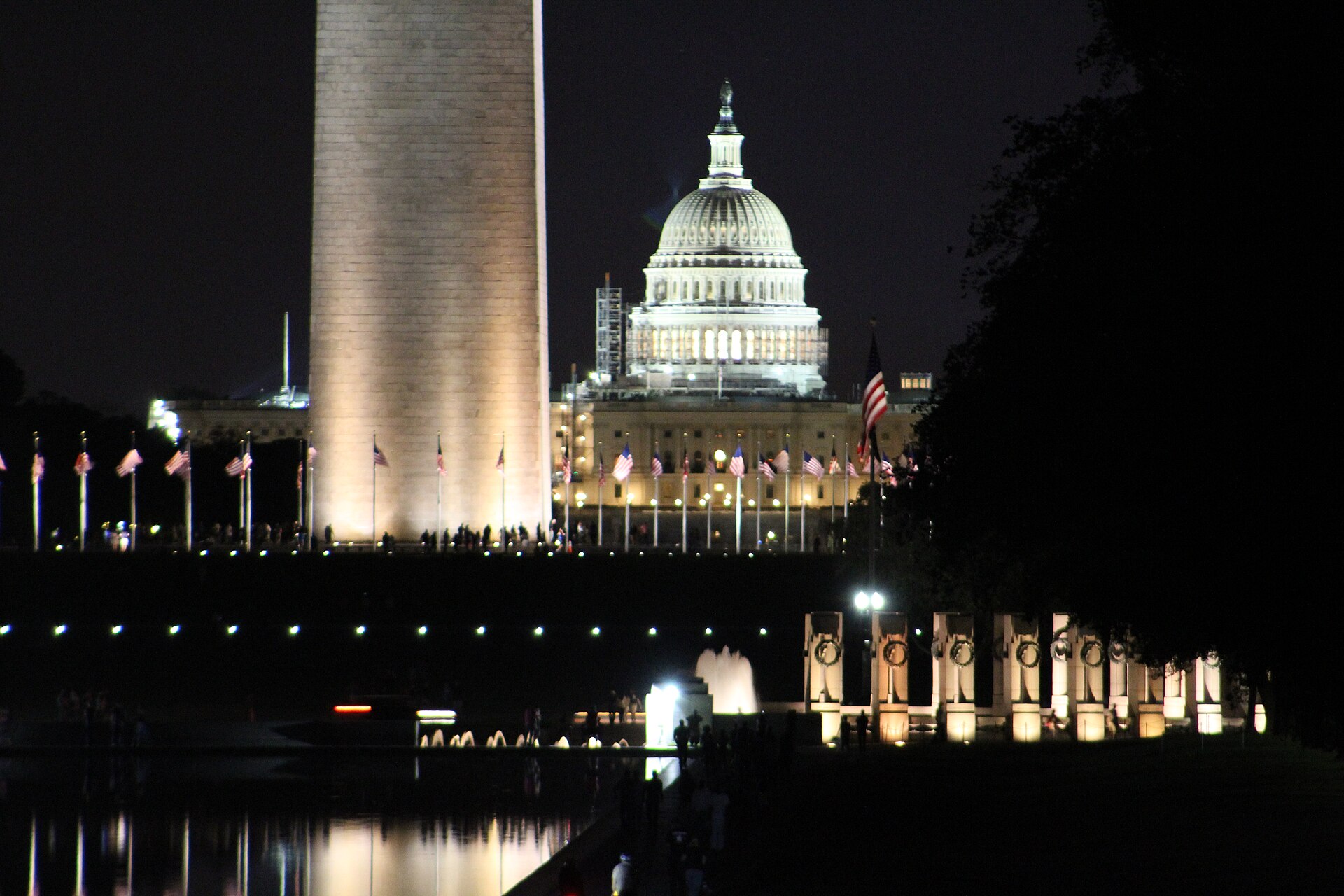
Photo: Dkallen78 / Wikimedia Commons (CC BY-SA 4.0)
None of these measures resolve the underlying fight. They simply define the terms of the next one. That assumes lawmakers need another stopgap rather than finishing full-year bills by 11 December. Most Capitol Hill trackers consider a further stopgap the likeliest outcome.
Why the midterms change the political math
The timing is not incidental. The 11 December deadline falls after the 3 November midterm elections. That leaves a lame-duck session as the main vehicle for either a fifth stopgap or a genuine spending deal. Lawmakers on both sides have strong incentives to avoid a shutdown fight before voters go to the polls. That is part of why September’s deal cleared with comfortable margins despite the underlying disagreement over spending levels.
Once the elections are behind them, that incentive structure changes. A lame-duck Congress facing a December deadline has historically been more willing to either strike a deal quickly or let brinkmanship run close to the wire. Control of one or both chambers could also shift in January, adding further pressure.
What happens between now and the deadline
Three signals are worth tracking. The first is whether a second short-term stopgap starts circulating before Thanksgiving. That would suggest leadership has already concluded full-year bills won’t be ready. The second is whether any of the twelve FY2027 appropriations bills reach the floor in November. Real movement there would be the clearest sign a deal is within reach. The third is whether federal agencies begin publishing updated shutdown contingency plans. That typically signals an administration bracing for a real possibility of a lapse.
Frequently asked questions
When does current government funding expire?
Federal agencies are funded through 11 December 2026 under the continuing resolution Trump signed on 2 September. A lapse would begin 12 December without further action.
Did a shutdown happen in October 2026?
No. Congress passed a continuing resolution before the prior deadline, avoiding a lapse, though the underlying spending dispute between the House and Senate remains unresolved.
How many shutdowns have there been since October 2025?
Three funding lapses have occurred since October 2025, totaling 122 days, including a 43-day shutdown that was among the longest in US history.
What happens to federal pay if there is another shutdown?
Trump’s alternative pay plan from 26 August would hold 2027 civilian base and locality pay at 0% unless Congress legislates otherwise. Law enforcement personnel would receive 3.8%.
Can federal workers be laid off during a future lapse?
An October 23 memo from the budget and personnel offices rescinded 2025 guidance that had permitted reductions in force during a shutdown, following a September court settlement on the issue.
Why does the December deadline matter politically?
It falls after the November 3 midterms, removing the pre-election incentive that helped produce September’s deal and shifting the fight to a lame-duck Congress with different pressures.
For related coverage of Washington’s fiscal and political calendar, see our reports on the Fed rate decision and the Nobel Prize in economics. For how this fits into broader US foreign policy bandwidth, read our coverage of US Iran diplomatic talks.
Verification your users actually receive.
Send one-time passcodes over WhatsApp with a single API call. Replio can generate, hash and verify the code for you.
