Putin Rules Out Ceasefire With Ukraine and Warns on Kaliningrad

Putin rules out ceasefire with Ukraine, telling the Valdai Discussion Club in Moscow on 1 October 2026 that proposals to trade a pause in refinery strikes for a pause in attacks on ships are “simply ridiculous”. He also warned that Russia would use every weapon it has if Kaliningrad faced a direct attack. The remarks, reported by Al Jazeera, close the door on the latest idea for a limited truce on energy targets.

Jump to

What Putin said at Valdai

Speaking in Moscow on 1 October, Putin dismissed the suggestion that Russia stop hitting Ukrainian refineries while Ukraine stops attacking ships. He called that kind of trade “simply ridiculous”, according to Al Jazeera’s account of the speech.

He said Ukrainian strikes on Russian oil refineries cost Russia about 1 percent of its GDP. That figure is Putin’s own claim, and the report does not give an independent estimate. He added that Russia is answering in kind, targeting Ukrainian steel companies and supply chains.

Putin also said Russia would prefer to settle the war through talks, with Ukraine staying neutral afterwards. He did not offer a ceasefire in the meantime.
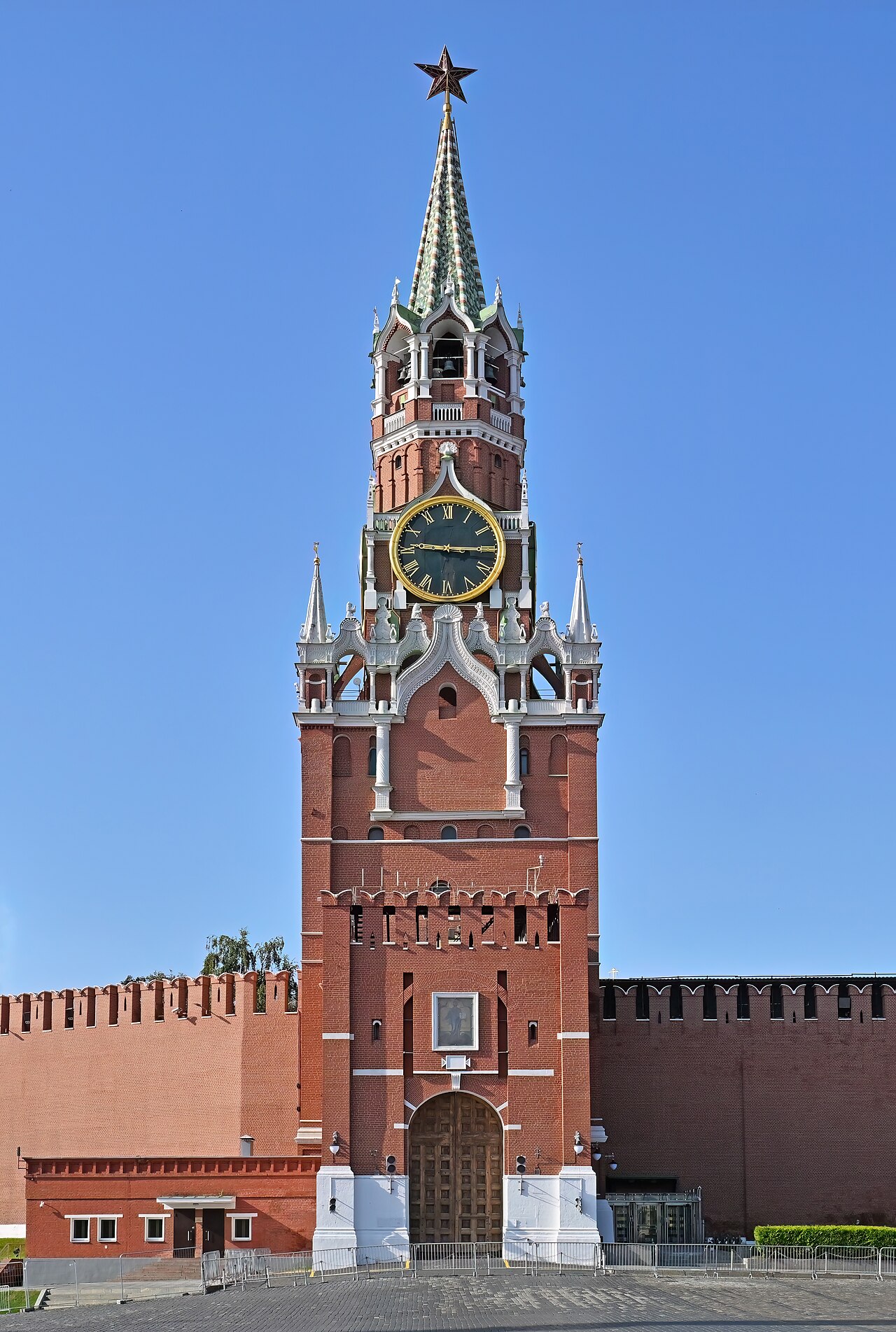
Putin rules out ceasefire - Spasskaya Tower on the Kremlin wall in Moscow

The Kaliningrad warning to NATO

The sharpest line in the speech concerned Kaliningrad, the Russian exclave on the Baltic Sea. Putin said that in the event of a direct attack on the Russian Federation, the question of using all weapons at Russia’s disposal would immediately be on the agenda. Al Jazeera reports that Russia has also passed diplomatic warnings to NATO about a possible nuclear response if Kaliningrad is threatened.

Warnings of this kind are a familiar part of Russian rhetoric. They are statements of intent, not announcements of a change in force posture, and the report does not describe any new deployment.

Why Putin rules out ceasefire on energy targets

The proposal Putin rejected traces back to a meeting on 22 September in New York. Al Jazeera reports that Ukrainian President Volodymyr Zelenskyy met US President Donald Trump there and proposed a mutual halt to attacks on energy infrastructure.

A limited truce on energy targets is often seen as easier to agree than a full ceasefire, because both sides could verify it from the sky. Putin’s answer suggests Moscow does not want that route for now.

Strikes continue on the ground. The report says a Russian drone hit a school in Kyiv on Thursday, with no casualties reported, as Russia escalated its aerial bombardment. For earlier coverage of the air campaign, see our report on missile strikes on Kyiv.

What to watch after the speech

Three things are worth tracking. First, whether Washington changes its approach after Putin’s public rejection. Second, whether Ukraine continues its refinery campaign, which Putin says is costly for Russia. Third, whether NATO responds publicly to the Kaliningrad language.

Sanctions are the other lever. Our coverage of new US sanctions on an Iran-linked network shows how Washington is using financial pressure in several conflicts at once.

We will update this story when governments respond.

Questions about the Putin ceasefire speech

Did Putin reject a ceasefire with Ukraine?

Yes. In his 1 October speech at the Valdai Discussion Club, Putin ruled out a ceasefire and called the idea of pairing a halt to refinery strikes with a halt to ship attacks “simply ridiculous”, according to Al Jazeera.

What did Putin say about Kaliningrad?

He said that if Russia faced a direct attack, the question of using all weapons at its disposal would immediately be on the agenda. He was speaking about the defence of Kaliningrad.

What was the energy truce proposal?

After a meeting with Trump in New York on 22 September, Zelenskyy proposed that both sides stop attacking energy infrastructure.

What does Putin want instead?

He said he prefers a settlement through talks, with Ukraine remaining neutral afterwards.

Is the 1 percent of GDP figure verified?

No. It is Putin’s own claim about the cost of Ukrainian refinery strikes. The report does not cite an independent estimate.

Sources

Image: Moscow Kremlin, photo by A.Savin, Wikimedia Commons, licensed CC BY-SA 3.0. Second image: Spasskaya Tower, photo by Юрий Д.К., Wikimedia Commons, licensed CC BY 4.0.

Russia Strikes Kyiv’s Science Academy, Then Strikes Again

Russia missile strikes on Kyiv killed two people and injured 26 others on Monday, September 28, 2026, after missiles hit civilian and scientific targets in the Ukrainian capital, including the National Academy of Sciences and the Dobrobut medical center. Hours later, in the early hours of Tuesday, Russia launched a renewed round of ballistic missile strikes on the city, extending an attack that had already drawn international condemnation.

Russia Missile Strikes on Kyiv: Science Academy and Hospital Hit

The Monday barrage struck a mix of civilian and scientific sites across Kyiv. Among the buildings damaged were Ukraine’s National Academy of Sciences, the country’s main scientific research institution, and the Dobrobut medical center, a hospital serving the capital. The strikes killed two people and injured 26 more across the city, according to live coverage from Kyiv Post.

Emergency crews responded across multiple districts. Authorities continued assessing damage through the day. Both the academy and the medical center are civilian institutions with no declared military function, a detail that shaped much of the reaction that followed.

Russia missile strikes on Kyiv

A Second Wave of Strikes Hits Kyiv Before Dawn

Kyiv did not have long to recover. In the early hours of Tuesday, September 29, Russia launched another round of ballistic missile strikes on the capital, just hours after the Monday barrage ended. The renewed strikes extended a pattern of attacks on the city that continued through the week. Full details on damage and casualties from the Tuesday strikes were still emerging as authorities worked through the aftermath.

Ballistic missiles travel fast and give air defenses little time to react. Repeated barrages like these strain a city’s air defense systems and its emergency services, and Kyiv has faced both kinds of pressure through years of war.

World Leaders Respond to the Attacks on Kyiv

European Commission President Ursula von der Leyen condemned the strikes. She said Ukraine’s scientific community “had itself become a target,” a direct reference to the damage done to the National Academy of Sciences.

The strikes on a hospital and a research institution also drew attention to the broader question of civilian infrastructure in the war. UN News has tracked international law concerns around the targeting of civilian infrastructure throughout the conflict, background that bears directly on strikes hitting a hospital and a scientific institution rather than declared military sites.

Neither institution has a military role. That distinction is central to why the strikes drew swift condemnation from European officials rather than routine wartime reporting.

Strikes on hospitals and research institutions carry a different legal weight than strikes on military infrastructure. International humanitarian law treats civilian medical facilities and non-military scientific institutions as protected sites in wartime, which is part of why a strike on a hospital draws a different, sharper reaction than a strike on a barracks or an air base. That legal backdrop shaped how quickly and how directly European officials responded to Monday’s barrage.

The pattern of the past two days also illustrates a broader feature of this stage of the war: strikes on Kyiv have not been limited to single, isolated incidents. A first wave hits the city, is followed by international condemnation, and then a second wave arrives before that condemnation has fully played out. That sequence repeated itself again this week, with Tuesday’s renewed missile fire landing before the world had finished reacting to Monday’s strikes on the academy and the hospital.

Where Diplomacy and the Kyiv Strikes Go From Here

The renewed strikes land at a delicate moment. As Tamara News reported, an earlier deadly strike on Kyiv had just restarted stalled ceasefire talks between Russia and Ukraine. Monday’s attack on the academy and the hospital, followed by Tuesday’s renewed missile fire, now tests whether those talks can hold while the fighting continues.

Wider geopolitical maneuvering continues alongside the diplomacy, including major-power arms discussions that Tamara News has also covered separately. For Kyiv, the immediate task is recovery: clearing damage, treating the injured, and preparing for the possibility of further strikes.

Officials in Kyiv continued assessing the damage to both the academy and the medical center as the week went on. Neither the scale of repairs needed nor a timeline for them had been detailed publicly.

Frequently Asked Questions About the Kyiv Strikes

What happened in Russia’s missile strikes on Kyiv this week?
Russia struck Kyiv on Monday, September 28, 2026, hitting civilian and scientific targets including the National Academy of Sciences and the Dobrobut medical center. Russia then launched a renewed round of ballistic missile strikes on the city in the early hours of Tuesday, September 29.

How many people were killed or injured?
Two people were killed and 26 were injured across Kyiv in Monday’s attacks, according to live coverage from Kyiv Post.

What specific sites were hit in the Ukrainian capital?
The strikes hit Ukraine’s National Academy of Sciences and the Dobrobut medical center, along with other civilian targets across the city.

Did the attacks continue after Monday?
Yes. Russia launched renewed ballistic missile strikes on Kyiv again in the early hours of Tuesday, September 29, just hours after the Monday barrage.

How has the international community reacted?
European Commission President Ursula von der Leyen condemned the strikes, saying Ukraine’s scientific community “had itself become a target.”

Are Russia-Ukraine ceasefire talks still happening?
Tamara News has reported that an earlier deadly strike on Kyiv had restarted stalled ceasefire talks between Russia and Ukraine. The renewed strikes this week raise questions about whether that diplomatic track can continue.

Sources

Ukraine Just Launched Its Biggest Drone Attack Ever — On Moscow

The Ukraine drone attack Moscow forces launched over the weekend was the largest single wave of drones Kyiv has sent at the Russian capital. It damaged one of the country’s biggest oil refineries. It killed at least three people.

Russia’s Ministry of Defense said its air defenses shot down more than 1,900 drones. They also downed eight guided aerial bombs, eight cruise missiles and four rockets overnight. The scale stood out, even in a war with near-nightly long-range strikes.

Fire and smoke rise from the Moscow oil refinery hit in the Ukraine drone attack Moscow

How Big the Ukraine Drone Attack Moscow Really Was

Ukraine’s General Staff named the main target as the Gazpromneft-Moscow Oil Refinery. It sits in the capital’s Kapotnya district. The facility ranks among Russia’s largest refineries by processing volume. Drones and debris also struck a residential building nearby, officials said.

Russian state media broadcast footage of fires burning through the night. Some Moscow-area airports faced temporary flight disruption as air defenses engaged the drones. That pattern has repeated through 2026 as both sides expand their long-range strike campaigns.

Casualties and Damage on the Ground

Regional officials confirmed at least three deaths linked to the strikes. Authorities have not released a full damage assessment for the refinery. Russian energy analysts say repeated strikes on refining capacity this year have already strained domestic fuel supply in several regions.

Ukraine has not detailed civilian casualties from the attack. Kyiv’s public statements instead focus on the strike’s military and economic significance.

The barrage’s scale also stands out against the war’s broader arc. Both militaries have steadily expanded their drone fleets over more than four years of full-scale fighting. Drones went from a niche weapon to the dominant feature of the war’s long-range campaigns. A single-night wave of 1,900 drones would have been unthinkable in the war’s early years, when strikes numbered in the dozens.

Why the Timing Looks Deliberate

The strike landed on the final day of Russia’s parliamentary elections. Voting included, for the first time, ballots cast in Ukrainian territory Moscow has illegally annexed. Moscow Mayor Sergei Sobyanin said the attack “was clearly planned with the aim of disrupting the elections.”

Ukrainian officials have not directly addressed that claim. They have long argued that refineries, not polling stations, are the real targets. Any overlap with the election calendar, they say, reflects operational timing rather than an attempt to interfere with the vote.

How Russia and Ukraine Are Each Framing It

Russian officials cast the strike as an attack on civilians and infrastructure, timed to embarrass the Kremlin during a national vote. Ukrainian officials frame it differently. They call it a legitimate strike on a facility that fuels Russian military logistics. Kyiv has hit dozens of refineries and depots since 2024.

Neither account has been independently verified by outside investigators as of publication.

The Broader Pattern of 2026’s Refinery War

This strike did not happen in isolation. Ukraine has spent much of 2026 targeting Russian refining capacity systematically. The goal: squeeze the fuel supply that keeps Russian military vehicles and aircraft running. Energy analysts say the cumulative effect has been real, even though any single strike rarely knocks a facility offline for long.

Russia has leaned harder on strikes against Ukraine’s power grid and gas network as winter approaches. That tit-for-tat dynamic has defined the war’s energy front since 2024. Each side appears to be betting that degrading the other’s infrastructure matters more than front-line gains alone. That calculation has held through multiple failed ceasefire attempts this year.

Western officials monitoring the war call the mutual infrastructure campaign a war of attrition on the home front. It is distinct from the static trench lines further south and east. Neither side has forced a decisive shift through infrastructure strikes alone. Yet both continue expanding the campaigns rather than scaling them back.

What Happens Next in the Drone War

Russian and Ukrainian long-range strikes have both intensified through September. Analysts tracking the war expect that pattern to continue. Russia has previously answered major Ukrainian refinery strikes with retaliatory barrages within days. Residents on both sides are watching for a response this week.

The attack also lands just as world leaders gather in New York for the United Nations General Assembly’s high-level week. The war is expected to feature heavily in floor speeches and side meetings there.

Common Questions About the Moscow Refinery Strike

How large was the Ukraine drone attack Moscow strike?

Russia’s defense ministry said it shot down more than 1,900 drones, eight guided bombs, eight cruise missiles and four rockets overnight, the largest single wave of the war aimed at the capital region.

What was the main target?

The Gazpromneft-Moscow Oil Refinery in the Kapotnya district, one of Russia’s largest refineries by volume, according to Ukraine’s General Staff.

Were there casualties?

Russian officials reported at least three deaths in the Moscow region and damage to a residential building near the refinery.

Why did the timing matter?

The strike landed on the final day of Russia’s parliamentary elections, which Moscow’s mayor said was no coincidence.

Has Russia announced retaliation?

Not yet tied specifically to this strike as of publication, though both sides continue near-daily long-range attacks.

Sources

For related coverage, see Tamara News on Tusk’s warning that Russia could stage “accidental” strikes to test NATO, the Russian State Duma election the attack coincided with, and Europe’s short-term Russia sanctions renewal.

Tusk Warns Russia Could Stage ‘Accidental’ Strikes to Test NATO

Polish Prime Minister Donald Tusk delivered a stark message to parliament on September 17, 2026. He said intelligence assessments point to Russian plans for drone and missile strikes on countries that back Ukraine, including Poland. Moscow could then claim the strikes were accidents, Tusk said. The Tusk Russia accidental strikes warning rests on intelligence from NATO, Ukraine and the United States. Tusk called the coming late autumn and winter the most critical phase of the war so far.

Tusk was careful to frame this as a forward-looking assessment, not a confirmed attack. No strike matching this description has happened yet. The warning follows a run of drone incidents and suspected sabotage across Poland, Lithuania and Germany in recent weeks. It also comes as Poland marks the 87th anniversary of the Soviet invasion of 1939.

What Tusk Told Poland’s Parliament About Russian Strikes

Addressing lawmakers, Tusk said Russia intends to send drones or missiles into NATO territory and then call the incidents accidental, according to NPR. He said the goal is to “paralyze NATO” or at least weaken the alliance’s willingness to respond together. He argued the tactic could test whether NATO’s Article 5, the treaty’s collective-defense clause, “exists only in theory.”

Tusk Russia accidental strikes: NATO soldiers on exercise near the border

Tusk stressed that “there is nothing to suggest an invasion.” Still, he warned Poland is about to face a real test as one of Ukraine’s most committed allies. He said Poland carries a starker risk under Article 5 than Western European members such as Portugal or Ireland. That risk stems from its border with Belarus and Ukraine.

Tusk Russia accidental strikes: what the intelligence suggests

Tusk said he was relying on intelligence from NATO, Ukraine and US agencies, though he did not name specific services, NPR reported. He repeated that grim timeline for lawmakers and flagged the risk of escalating Russian attacks on Ukrainian energy infrastructure as the cold season sets in.

Euromaidan Press reported that Tusk highlighted Russia’s growing use of jet-powered drones. These drones fly faster and higher than older propeller-driven models, which makes them harder for air defenses to intercept. Tusk pointed to a September 13 strike near Yahodyn, close to the Polish border, as an example. Ukraine’s state railway operator said the drone had most likely targeted a diplomatic train. That train had carried former UK Prime Minister Boris Johnson and former Swedish Prime Minister Carl Bildt earlier that day. Nobody was hurt in the strike.

A Pattern of Incidents Across NATO’s Eastern Flank

Tusk’s warning follows several drone incidents near NATO’s eastern border. On September 15, Italian NATO jets shot down a drone that had entered Lithuanian airspace from Belarus. Lithuanian officials said the wreckage suggested it carried explosives.

Polish forces also recovered a Gerbera-type drone carrying a live warhead off the Baltic coast near Rusinowo earlier in September. Germany blamed Russia on September 1 for an attempted drone attack involving explosives at Leipzig/Halle Airport in early August. The airport serves as a major NATO logistics hub. Each incident stayed below the threshold of open war on its own. Together, European officials say, they form a coordinated hybrid campaign.

The Baltic Sea has produced other flashpoints this year too. A Russian frigate and a Danish helicopter had a tense standoff there, as our report on the Baltic incident covers. It shows how contested the region’s waters and skies have become.

Why Tusk Says Moscow Wants to Test Article 5

NATO’s Article 5 states that an armed attack on one member counts as an attack on all. Tusk argued Russia benefits either way if it stages an ambiguous strike. If NATO responds firmly, Moscow can accuse the alliance of overreacting to an accident. If NATO stays quiet, Moscow can claim the treaty’s promise is hollow.

Tusk also linked the threat to politics inside Europe. He pointed to Russia-friendly parties gaining ground, including Marine Le Pen’s National Rally in France and Germany’s Alternative for Germany. He said these parties invoke the language of peace while effectively calling for Ukraine’s capitulation.

The warning arrived alongside other developments. Polish Deputy Prime Minister Radosław Sikorski said Warsaw is preparing its largest military aid package yet for Ukraine. That package could include Patriot missile components. Ukrainian President Volodymyr Zelenskyy hosted European leaders at the first Carpathian Eight summit on September 18. There, officials discussed building an anti-ballistic coalition. Sanctions pressure on Moscow continues in parallel, detailed in our coverage of the EU’s renewed Russia sanctions. Belarus, Russia’s closest regional ally, also remains under scrutiny. Our report on the Belarus prisoner release and sanctions explains why.

What Happens Next After Tusk’s Russia Warning

Poland says it sees no sign of an imminent invasion. Officials still expect the risk of drone and missile incursions to rise as autumn turns to winter. NATO allies are weighing how to respond if an ambiguous strike actually happens. Neither side wants to hand Moscow a propaganda win.

Three signals are worth watching in the coming weeks. First, whether NATO issues a joint statement on how it would classify an ambiguous strike on a member state. Second, whether Poland receives the Patriot components Sikorski has floated. Third, watch the reported US plan for a permanent Army base in Poland. President Trump mentioned it the same day as Tusk’s speech, but no site is confirmed yet.

Frequently Asked Questions

What did Donald Tusk actually warn about?
Tusk told the Polish parliament on September 17, 2026 that intelligence assessments point to Russian plans for drone and missile strikes on countries supporting Ukraine, including Poland. He said Moscow could then present the strikes as accidents.

Is this a confirmed Russian attack on Poland?
No. Tusk described an intelligence assessment and a warning, not an event that has occurred. He said there is “nothing to suggest an invasion,” and no strike matching the warning has been reported.

Which sources gave Tusk this intelligence?
Tusk said the assessment draws on intelligence from NATO, Ukraine and United States agencies. He did not name specific agencies or release the underlying material.

Why does Article 5 matter in this warning?
Article 5 commits NATO members to treat an attack on one as an attack on all. Tusk said Russia may want to test whether that commitment holds if a strike can be framed as an accident.

What incidents came before Tusk’s warning?
Recent weeks brought several incidents. A drone struck near a Ukrainian train close to the Polish border. NATO jets shot down a drone over Lithuania. Poland recovered a warhead-carrying drone off its Baltic coast, and Germany blamed Russia for a drone attack near Leipzig.

How has Russia responded to the warning?
Russia’s Foreign Ministry rejected Tusk’s accusations, calling them “contrived” and “far-fetched.”

Sources

Russia Just Hit Kyiv for a Sixth Straight Night — Six of the Dead Were Rail Workers

Russia Kyiv strikes September attacks killed at least 12 people on Tuesday. Dozens more were wounded as Moscow’s bombardment of the Ukrainian capital entered a sixth consecutive night. Ukrainian officials said the barrage mixed jet-powered drones with ballistic missiles. It hit a rail depot and an ordinary five-story apartment building in the same wave.

President Volodymyr Zelensky said six of the dead were railway workers caught at the depot. The toll underscores a shift: the strikes increasingly target infrastructure that keeps the country running, not only military sites.

Russia Kyiv strikes September: what was hit and who died

Bloomberg reported that Tuesday’s attack was the sixth straight night of bombardment against Kyiv and its suburbs. Air defense crews described an unusually dense mix of decoy drones and live warheads designed to overwhelm interceptors. The Kyiv Independent put the confirmed death toll at 12, including the six rail workers. The number of wounded kept climbing as rescue crews cleared rubble.

Kyiv skyline pictured during the period of Russia Kyiv strikes September escalation

Kyiv cityscape photo: Valerii Tkachenko, CC BY 2.0, via Wikimedia Commons.

Why the bombardment is escalating now

Russian President Vladimir Putin claimed his forces have seized roughly 270 square kilometers of territory in Donetsk in recent weeks. He said they have surrounded a large group of Ukrainian troops there. Kyiv disputes the scale of those claims. But the ground fighting in the east has coincided with a sharp rise in long-range strikes on the capital. Ukrainian officials read this as pressure meant to force concessions at the negotiating table rather than on the battlefield alone.

Ukraine’s air force says it intercepted most of the incoming drones and missiles. The sheer volume of the barrage let a portion through, including the warhead that struck the residential building. Kyiv has repeatedly asked Western partners for more Patriot interceptor batteries. Tuesday’s strikes renewed that appeal.

The human cost beyond the death toll

Rail workers make up an unusually large share of Tuesday’s victims. Russian missiles have repeatedly targeted freight and passenger rail infrastructure this year. The goal appears to be disrupting the movement of both military supplies and civilians. Local officials say several rail lines out of Kyiv remain suspended while crews inspect damaged track and signaling equipment.

City authorities have opened additional shelters for residents whose homes were damaged. Utility crews are working to restore power to blocks near the residential strike site. Ukrainian officials have not said whether the rail depot will be back in service within days or weeks.

How the war economy is absorbing the damage

Ukraine’s rail operator has diverted freight through alternate routes to keep grain and fuel shipments moving despite the damaged depot. Insurers covering Ukrainian infrastructure have flagged rising claims tied to repeated strikes on transport and energy sites this year. Reconstruction planners say each new wave of damage adds to a rebuilding bill that independent estimates already put well into the hundreds of billions of dollars. Kyiv’s city government has asked international donors for emergency generators and rail-repair equipment on top of existing aid packages.

The war has now stretched well past initial expectations on both sides. Repeated rounds of talks have failed to produce a lasting ceasefire. Ukrainian officials say they remain open to negotiations but will not accept terms that reward continued strikes on civilian infrastructure. Western governments have periodically floated new sanctions packages targeting Russia’s energy exports, though enforcement gaps mean Moscow has continued to find buyers for its oil. Kyiv’s allies say the current strikes make it harder to build political support at home for further sanctions relief discussions. Public attention keeps returning to civilian casualties rather than battlefield lines.

What comes next as the barrage continues

Ukrainian officials expect the current wave of strikes to continue as long as Russia keeps making battlefield claims in Donetsk it wants to reinforce politically. Diplomatic channels remain open, including discussions on the sidelines of recent multilateral meetings. Neither side has signaled a near-term ceasefire. Related coverage includes our reporting on the Ukraine weapons depot strike earlier this year and the opening of the UN General Assembly, where the war is expected to feature prominently.

Western allies have condemned the strikes on civilian infrastructure. Several governments have repeated calls for additional air-defense support to Kyiv. Ukraine’s rail network carries not just passengers but also grain exports that move through Black Sea ports. Repeated strikes on depots raise concerns about wider disruption to Ukraine’s agricultural trade. Officials in Kyiv say they are prioritizing repairs on lines that connect directly to export routes, even as strikes continue elsewhere in the network.

Common questions about the strikes

How many people died in the latest Kyiv attack?
At least 12 people were killed, including six railway workers, with dozens more wounded.

What did the strikes target?
Ukrainian officials say the barrage hit a rail depot and a residential apartment building among other sites across the capital region.

Why has Russia intensified strikes on Kyiv?
The escalation follows Russian claims of territorial gains in Donetsk. Ukrainian officials view it as an attempt to add battlefield leverage ahead of any negotiations.

Is Ukraine’s air defense holding up?
Ukraine says it intercepts most incoming drones and missiles. Large mixed barrages have let some warheads through, prompting fresh requests for more Patriot batteries.

Are rail services disrupted?
Yes. Several lines out of Kyiv remain suspended while crews repair damaged track and signaling equipment.

Is a ceasefire close?
No. Diplomatic contacts continue, but neither Kyiv nor Moscow has signaled a near-term halt to strikes or ground operations.

Sources: