OPEC+ Could Have Pumped More Oil This Month — Here’s Why It Didn’t

Seven OPEC+ countries agreed on 4 October 2026 to leave their November 2026 crude production targets unchanged, according to a group press release reported by Enerdata. The OPEC+ November output decision is the second straight month the group has held steady rather than following through on the output increases it had signalled earlier in 2026.

Who agreed to what

The decision came out of a virtual meeting among Saudi Arabia, Russia, Iraq, Kuwait, Kazakhstan, Algeria and Oman. Their individual targets for November are set at 10.5 million barrels per day for Saudi Arabia, 9.9 million for Russia, 4.4 million for Iraq, 2.7 million for Kuwait, 1.6 million for Kazakhstan, 1 million for Algeria and 0.8 million for Oman. Those numbers match what the group had already set for October, meaning no formal increase takes effect for the second consecutive round.

Why the OPEC+ November output decision stayed flat

For much of 2026, OPEC+ had been unwinding years of production cuts, gradually raising targets as it tried to claw back market share. That plan has run into a problem the group’s own quotas can’t fix: actual exports are falling short of targets regardless of what gets agreed on paper. According to Enerdata’s account, the ongoing Middle East conflict has disrupted exports through the Strait of Hormuz, a chokepoint that a large share of Gulf oil has to pass through, while separate limits on Russian oil flows are constraining Moscow’s output independently of anything OPEC+ decides. Enerdata’s own reporting does not include the group’s official stated rationale, so this explanation reflects the analyst’s reading of the situation rather than an on-record OPEC+ statement.

A separate OPEC press release confirms the seven countries’ agreement to hold steady. In effect, the group is holding targets flat partly because raising them further would do little right now. If tankers can’t move through Hormuz at full volume and Russian flows are already constrained, announcing a higher headline target doesn’t translate into more oil actually reaching buyers.

What this means for prices and buyers

A flat output decision removes one obvious source of extra supply hitting the market in November, but it does not automatically push prices in one direction. Oil prices are shaped by a mix of factors: how much OPEC+ members are really exporting against their targets, how demand is tracking heading into the northern hemisphere winter, and how the regional conflict affects shipping and insurance costs for tankers moving through contested waters. Buyers in energy-importing countries should expect continued volatility tied to Hormuz-related headlines rather than a clean, predictable price path.

Where oil output goes from here

OPEC+ reviews its production targets on a recurring monthly cycle, so the next decision will set targets for December 2026. That meeting will be a clearer test of direction: if Hormuz disruptions ease and Russian export limits loosen, the group may finally move on the increases it has twice now deferred. If the disruptions persist or worsen, expect a third straight month of targets staying put, or even talk of fresh cuts if oversupply fears give way to concerns about actual availability.

Frequently asked questions

What did OPEC+ decide for November 2026?
Seven OPEC+ countries, Saudi Arabia, Russia, Iraq, Kuwait, Kazakhstan, Algeria and Oman, agreed at a virtual meeting on 4 October 2026 to keep their required crude production targets for November 2026 unchanged from October.

Why didn’t OPEC+ raise output as planned?
OPEC+ had been raising output targets through much of 2026 after years of cuts, but the Middle East conflict has disrupted exports through the Strait of Hormuz and limited Russian oil flows, keeping actual group output below the targets it set.

What are the individual OPEC+ November output decision targets?
Saudi Arabia 10.5 million barrels per day, Russia 9.9 million, Iraq 4.4 million, Kuwait 2.7 million, Kazakhstan 1.6 million, Algeria 1 million and Oman 0.8 million, according to Enerdata’s reporting of the group’s own figures.

Does this mean oil prices will rise?
Not necessarily on its own. Keeping targets flat removes one source of extra supply, but prices also depend on demand, how much member countries are actually exporting versus their targets, and how the Middle East conflict affects shipping routes.

Is this the first time OPEC+ has paused its planned increases?
No. The group had also kept its September 2026 targets unchanged in the prior round, meaning November marks a second consecutive month without the increases OPEC+ had signalled earlier in the year.

When does OPEC+ meet again?
OPEC+ holds its production decisions on a recurring monthly cycle, with the next review expected to set targets for December 2026 based on how exports and the regional conflict are tracking by then.

For more on where energy and commodity markets stand this week, see our coverage of the EIA’s 2027 oil supply forecast and gold’s recent move against a stronger dollar.

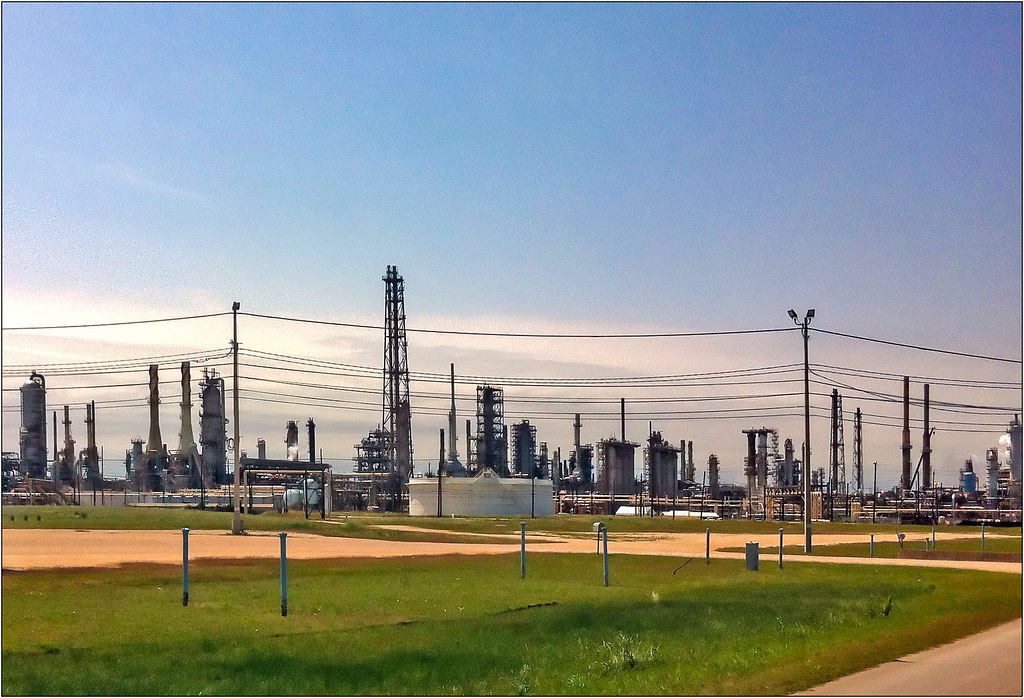
Oil production equipment tied to the OPEC+ November output decision

Rubio’s Blunt Warning to Venezuela: Reform Fast, Or Watch This Collapse

Venezuela’s political transition is entering a tense new phase. On 26 October 2026, US Secretary of State Marco Rubio told reporters that the alternative to a successful handover is either armed conflict or a return to the repression that marked the final years of Nicolás Maduro’s rule. “If this process doesn’t work, then the alternative is going to be worse,” he said, according to an IANS report carried by The Hans India.

Maduro himself is already out of power and in US custody, facing a fresh set of charges on top of earlier ones. In his place, interim president Delcy Rodríguez has been overseeing a government Washington still does not fully trust. Rubio’s remarks, delivered a day later on 27 October, make clear the transition’s deadline pressure has not eased just because Maduro is gone.

What Rubio said about Venezuela’s political transition

Speaking from Washington, Rubio set out a blunt framework for Venezuela’s political transition. According to a report from Agenzia Nova, he said the United States is prepared to use sanctions to push interim authorities to keep the commitments they have already made. He credited the interim government with meeting every deadline agreed so far, but warned that patience is not unlimited.

He was equally direct about accountability. Interim officials, Rodríguez included, “will be judged on their actions rather than their statements,” Rubio said, adding that immunity from prosecution is off the table for anyone in the interim government. That is a notably harder line than the kind of blanket amnesty often floated in negotiated transitions elsewhere.

Why the electoral council is the real sticking point

At the centre of Rubio’s demands sits an institutional problem rather than a political one. He wants Venezuela’s National Electoral Council and its Supreme Court replaced before any vote can be considered credible, arguing both bodies remain loaded with officials loyal to the old Maduro apparatus. “How can you have a legitimate election in Venezuela when the Electoral Council is controlled by people loyal to one side,” he said.

No fixed election date has been set. Rubio said Washington would not let interim leadership delay a vote indefinitely, but he also avoided naming a specific deadline, which leaves plenty of room for the kind of slow-walking that has derailed past transitions in the region.

Machado’s return and the sanctions lever

One concrete sign of progress: opposition leader María Corina Machado returned to Venezuela on 26 October without incident, Rubio said, after the US told interim authorities weeks earlier that her return should be permitted. Machado has publicly criticised a US-backed oil arrangement with a private company, but Rubio said those objections should not be allowed to derail the broader transition.

That oil arrangement is itself part of the leverage equation. Some sanctioned activity is currently allowed to continue under Treasury waivers and general licenses, which keep limited oil revenue flowing. Rubio suggested those waivers are conditional rather than permanent, and could be pulled back if the interim government falls behind on its commitments. He also said Washington’s broader goal includes making it possible for the estimated 6 to 7 million Venezuelans who left the country during the Maduro years to come home.

What happens from here

For now, Venezuela’s political transition remains a negotiation conducted mostly in public statements rather than signed documents. Rubio expressed confidence the process could be completed before his own time in office ends, which is as close as he came to putting a timeline on it. He also said Iranian and Cuban influence inside Venezuela has been sharply reduced since the transition began, a claim that, like much of this story, rests on the US government’s own account rather than independent verification.

The coming weeks are likely to turn on two concrete signals: whether the electoral council and court actually get replaced, and whether the oil waivers survive. Either one slipping would tell us more about where this transition is really headed than another round of statements.

Frequently asked questions

Why is Marco Rubio warning about civil war in Venezuela?
Rubio said that if the US-backed transition in Caracas stalls, the alternative is either armed conflict or a return to the repression of the Maduro era. He made the comments to reporters on 26 October 2026, framing the warning as pressure on interim authorities to move faster on reform.

Who is running Venezuela’s interim government?
Delcy Rodríguez has been acting as interim president since the transition began. Rubio said she and other interim officials would be judged on actions rather than statements, and ruled out immunity from prosecution for interim officials.

What does the US want changed before elections happen?
Washington wants Venezuela’s National Electoral Council (CNE) and Supreme Court (TSJ) replaced, arguing both are stacked with officials loyal to the former Maduro government and cannot run a credible vote.

Is María Corina Machado back in Venezuela?
Rubio said opposition leader María Corina Machado returned to Venezuela on 26 October 2026 without incident, after Washington told interim authorities weeks earlier that she should be allowed back.

Will the US lift sanctions on Venezuela?
Not unconditionally. Rubio said some oil-related activity is already permitted through Treasury waivers and general licenses, but warned those could be reconsidered if interim authorities fall behind on agreed commitments.

What happens if the transition fails?
Rubio framed it as a binary choice: reform that leads to a stable, internationally recognised government, or a slide back into armed conflict or authoritarian rule. He gave no fixed election date but said Washington would not let the process drag on indefinitely.

For more on how the region’s politics are moving this week, see our coverage of the charges Maduro now faces in US custody and the protests that preceded this transition.

Crowd demonstrating as part of Venezuela's political transition away from the Maduro government

Israel Just Voted — And the Real Fight for Power Hasn’t Even Started

Israelis cast their ballots on 27 October 2026 in the first national election since the Hamas-led attack of 7 October 2023 and the war that followed. All 120 Knesset seats were up for grabs, and the vote has been widely framed as a referendum on Prime Minister Benjamin Netanyahu’s long run in office. But as with every Israeli election, the count itself only sets up the real contest: Israel election coalition math, which decides who actually governs.

A race too close to call on its own

Pre-election polling, summarised by Al Jazeera, put the opposition bloc at around 52 projected seats against roughly 50 for Netanyahu’s religious-nationalist alliance of Likud, Jewish Power and Religious Zionism. Neither side was projected to reach the 61 seats needed for a majority. That gap is the whole story here: defeating Netanyahu at the ballot box, if that is even what happened, does not automatically remove him from power.

The opposition side is not a single party but a loose alliance. Yashar, the Democrats, Yisrael Beytenu and the Together alliance signed a non-aggression pact in September 2026 specifically to avoid splitting the anti-Netanyahu vote. Yashar’s Gadi Eisenkot is seen as the group’s likeliest candidate for prime minister, with Naftali Bennett of Together also mentioned as an alternative.

Why Israel election coalition math runs through two small parties

As reference tracking of the race shows, the Joint List and Ra’am, which together represent Palestinian citizens of Israel, are projected to win about 13 seats. In a Knesset where neither major bloc clears 61 on its own, that bloc of seats could end up deciding who forms the next government, whether by joining a coalition directly or by backing one from outside without taking cabinet posts. Most opposition leaders have so far rejected governing with Ra’am inside the coalition, which narrows an already tight path.

This is where Israel’s electoral system does its real work. Under proportional representation, no single party has ever won an outright Knesset majority, so every government since the state’s founding has been a negotiated coalition. The prime minister is not chosen directly by voters on election day; Knesset members effectively choose afterward, through weeks of bargaining over ministries, policy commitments and, often, personal rivalries.

The paths that are actually on the table

Several outcomes remain plausible once the final results are certified. A Netanyahu-led government is still possible if his bloc can find even a handful of additional seats through defections or late deals. An opposition-led majority is possible if Eisenkot or Bennett’s camp can stitch together support without relying on Ra’am’s votes inside the coalition. A minority government, propped up from outside by Arab-led parties that don’t take ministries, is a third route that has precedent in Israeli politics. A national unity government, or a rotating premiership arrangement between rival blocs, remains a longer-shot fourth option.

If none of that works, Israel would likely head to yet another election, a familiar pattern in a country that went to the polls five times between 2019 and 2022 alone. Netanyahu would stay on as caretaker prime minister in the meantime, which is itself a form of leverage in the negotiations to come.

What to watch next

The real signal in the days ahead will not be the headline seat count but which smaller parties start talking to which larger ones. Watch whether Shas and United Torah Judaism, the ultra-Orthodox parties that have both joined and abandoned Netanyahu’s coalitions before, swing toward him or stay on the sidelines. Watch whether Ra’am is offered any formal role or kept firmly outside the room. And watch how long the process takes: Israeli coalition talks have dragged on for months before, and a drawn-out negotiation is itself a kind of outcome, leaving Netanyahu in charge by default while his rivals try to agree on who should replace him.

Frequently asked questions

When is Israel’s 2026 election and why does it matter?
Israelis voted on 27 October 2026 for all 120 Knesset seats, the first election since the Hamas-led attack of 7 October 2023 and the war that followed. It is widely seen as a referendum on Benjamin Netanyahu’s long tenure as prime minister.

Did Netanyahu lose the election?
Pre-election polling put the opposition bloc at roughly 52 projected seats against about 50 for Netanyahu’s religious-nationalist alliance, with neither side projected to reach the 61 needed for a majority. The actual count determines nothing on its own; coalition talks do.

Who leads the opposition to Netanyahu?
Four parties, Yashar, the Democrats, Yisrael Beytenu and the Together alliance, signed a non-aggression pact in September 2026 to try to unseat Netanyahu. Yashar’s Gadi Eisenkot is seen as the likeliest prime ministerial candidate, with Naftali Bennett of Together also mentioned.

Why do Arab-led parties matter so much in this election?
The Joint List and Ra’am, which represent Palestinian citizens of Israel, are projected to win around 13 seats combined. With neither major bloc projected to reach 61 seats alone, those seats could decide who ends up forming a government.

How is Israel’s prime minister actually chosen?
Not directly by voters. Israel uses proportional representation, so Knesset members negotiate alliances after the vote until one side can command 61 seats. No party has ever won an outright majority on its own.

What happens if no coalition can be formed?
Israel would likely face another election, and Netanyahu would remain as caretaker prime minister until a new government is sworn in. That scenario has played out more than once in Israeli politics over the past decade.

For related coverage, see our reports on the proposed window for Russia-Ukraine peace talks and Venezuela’s own contested transition.

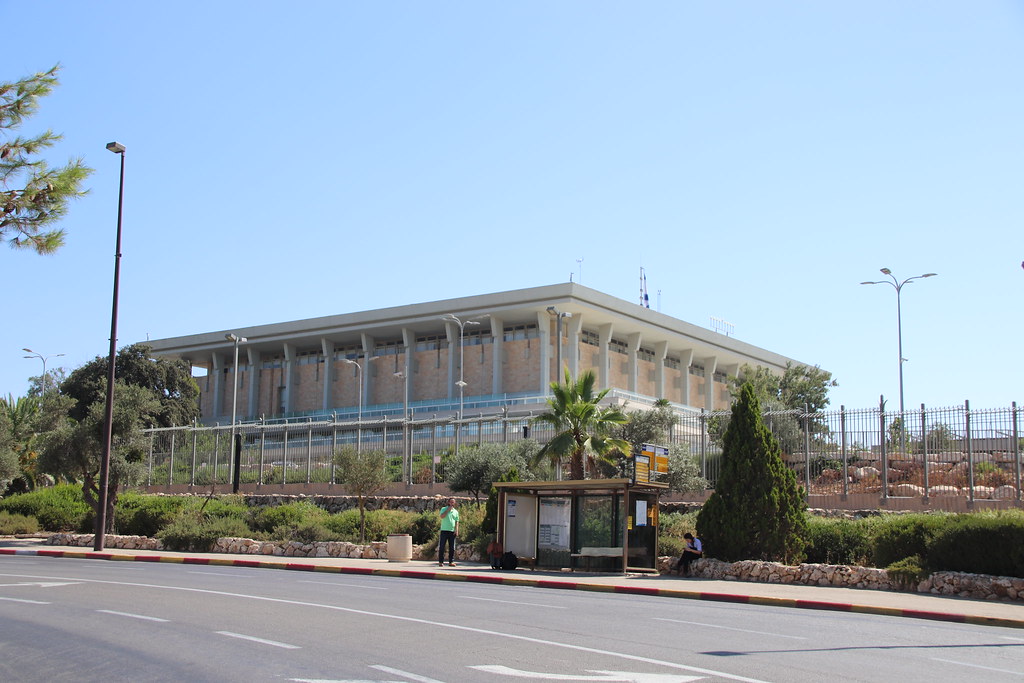
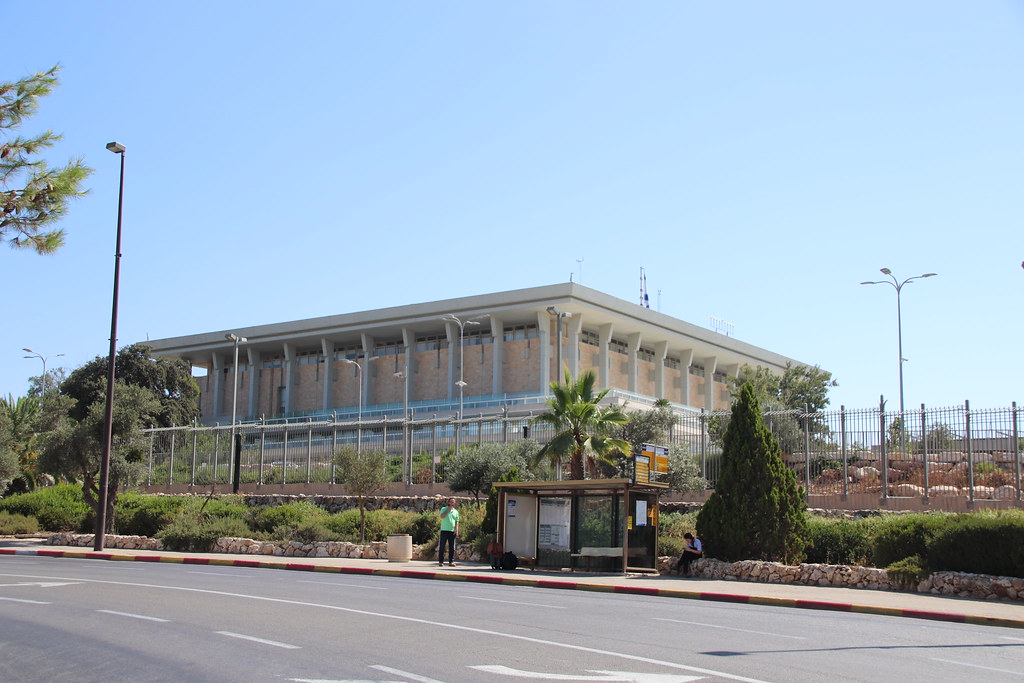
The Knesset building, the venue for Israel election coalition math negotiations after the 2026 vote

Samsung May Be About to Let Its Biggest Rival Build Part of Its Newest Chip

Samsung may be about to hand part of its most important new chip contract to its biggest manufacturing rival. Reports of a deal covering Nvidia Samsung HBM chips say Samsung will use TSMC’s 3-nanometre process to produce base dies for Nvidia’s next-generation custom high-bandwidth memory. That would mark the first time Samsung has worked with TSMC at the HBM manufacturing stage.

What’s Reportedly Changing With Nvidia Samsung HBM Chips

The Seoul Economic Daily first reported the arrangement on October 18, 2026. It cited industry sources. Reuters picked up the account, according to coverage in The Star. Samsung, TSMC and Nvidia have not confirmed the report themselves. Outlets covering it call it a supply-chain report, not a confirmed three-company announcement.

Nvidia Samsung HBM chips computer circuit board close-up

Why Nvidia Wants a Common Manufacturing Process

Nvidia unveiled its NVHBM memory standard in August 2026. Unlike conventional HBM, NVHBM places Nvidia’s own custom memory controller inside the base die. That gives the base die a more central role in the chip’s design. LetsDataScience reports that Nvidia asked its three major memory suppliers to use TSMC’s process for NVHBM base dies. Those suppliers are Samsung, SK hynix and Micron. Nvidia also asked them to standardize core dies around sixth-generation DRAM. A single shared foundry process would simplify validation for Nvidia. It would also make Nvidia’s custom memory implementation more consistent across vendors.

Samsung’s Balancing Act Between Rival and Customer

Samsung reportedly accepted Nvidia’s requirements after an internal review. It still plans to keep its own in-house production for standard HBM. It will also keep making custom memory it supplies to other customers. Samsung is also weighing whether its own foundry could produce NVHBM base dies itself. That option would matter if TSMC’s manufacturing capacity turns out to be insufficient to meet demand. It’s a hedge that would let Samsung fall back on its own fabs, rather than depend entirely on a competitor for a critical part of its biggest new product line.

A Pattern That Fits Earlier Reporting

A separate TrendForce report from October 9, 2026, said Samsung was exploring a dual-track approach to custom HBM production. Samsung could make base dies in-house or route them through an external foundry, depending on the customer. That report fits an external-foundry option for Nvidia’s business specifically. It doesn’t, though, confirm the specific October 18 arrangement. Taken together, the two reports point toward Samsung increasingly treating TSMC as a manufacturing partner for its most demanding AI memory customer. The two companies still remain direct rivals in foundry services more broadly.

Samsung and TSMC’s Long Rivalry

Samsung and TSMC have competed directly in contract chip manufacturing, known as foundry services, for more than a decade. TSMC has held the largest share of that market for years, while Samsung has positioned itself as the main alternative for companies that don’t want to depend on a single supplier. That rivalry has mostly played out in the production of logic chips, the processors that do the computing. Memory chips like HBM have traditionally stayed inside each company’s own vertically integrated supply chain, with Samsung designing and manufacturing its own memory from start to finish. A move to have TSMC manufacture base dies for Samsung-branded HBM would cross that line for the first time, blending two companies that otherwise compete head-to-head for the same foundry customers. It would not be the first time a tech supply chain has produced unusual partnerships between rivals. Apple, for instance, has long bought components from Samsung even as the two companies compete directly in smartphones. Analysts following the chip sector say this kind of cross-rival manufacturing deal has grown more common as AI chip demand outpaces what any single foundry can supply alone.

What Confirmation Would Mean for the Chip Supply Chain

Confirmation of the arrangement would mark a notable crack in the usual separation between Samsung’s and TSMC’s manufacturing operations. It would also signal how much leverage Nvidia now holds over its memory suppliers as the dominant buyer of AI accelerator components. Reporting so far says little about how SK hynix and Micron plan to answer the same TSMC-process request. That leaves open whether this becomes an industry-wide standard, or stays specific to Samsung’s arrangement with Nvidia.

Related Coverage on Tamara News

For more on the AI chip supply chain, see our coverage of Nvidia’s rapid AI data center build, TSMC’s latest earnings on AI chip demand, and Huawei’s push to close the AI chip gap with Nvidia in China.

Nvidia Samsung HBM Chips: Reader Questions

What is the reported Nvidia Samsung HBM chips arrangement?
A report that Samsung will use TSMC’s 3-nanometre process to make base dies for Nvidia’s next-generation custom HBM memory, first reported October 18, 2026.

Has this been confirmed by the companies involved?
No. Samsung, TSMC and Nvidia haven’t confirmed the report themselves, and outlets describe it as a supply-chain account rather than an official announcement.

What is NVHBM?
Nvidia’s custom high-bandwidth memory standard, unveiled in August 2026, which places Nvidia’s own memory controller inside the base die.

Why would Samsung work with a rival like TSMC?
To meet Nvidia’s request that its memory suppliers use a common manufacturing process for NVHBM base dies, standardizing implementation across vendors.

Will Samsung still make chips in-house?
Yes — reportedly for standard HBM and custom products for other customers, while it weighs whether its own foundry could back up TSMC capacity for Nvidia specifically.

Are other memory makers affected?
Nvidia reportedly made the same request to SK hynix and Micron, though neither company’s response has been reported in detail.

Gold Just Bounced Back Above $4,000 — Here’s the One Number Driving It

Gold and the dollar have been pulling in opposite directions for weeks. Monday’s trading showed why that gold price dollar strength link still drives the yellow metal’s swings more than almost anything else. Gold traded above $4,000 during Monday’s Asian session. That marked a modest recovery from near a three-month low. The US Dollar Index slipped toward 101.50-101.70 at the same time, according to FXStreet.

What’s Driving the Gold Price Dollar Strength Dynamic

A softer dollar and easing crude oil prices are lifting gold, rather than any single piece of economic data. A weaker dollar makes gold cheaper for buyers using other currencies, since gold is priced in dollars. That tends to lift demand and price together. FXStreet quotes Federal Reserve officials as signaling no urgency to raise interest rates immediately. That comment caps how far gold can run even as the dollar softens.

Gold price dollar strength currency exchange dollar bills

Why the Dollar Has Lost Ground

Two forces are pressuring the dollar this week. The first is the Fed’s own policy meeting on October 27-28. Futures price a 90.6% probability of a pause there, not a further hike. That reduces the dollar’s near-term yield advantage. The second force is geopolitics. President Trump said over the weekend that “there will not be a strike today” on Iran. That ruled out immediate action and pulled some safe-haven demand out of the dollar. Both forces have pushed the same way this week. That is part of why the dollar’s slide has looked steady rather than driven by one sharp headline.

The Risks That Could Still Flip the Trade

None of this volatility has fully disappeared. Israel holds a national election on October 27, and US midterms follow on November 3. Intelligence assessments cited by FXStreet suggest Iran could retaliate against regional sites in Israel and the UAE if strikes resume. A fresh escalation would likely reverse this week’s pattern fast. It would push the dollar back up as a safe haven. Gold would likely follow the broader risk-off move rather than rise against it.

What Traders Are Watching Next

Traders are also watching this week’s preliminary third-quarter GDP reading and the latest PCE inflation data, beyond the Fed meeting itself. Either report could shift the odds the Fed assigns to a rate increase at its December 9 meeting. Futures already price that move as close to certain. A hotter-than-expected inflation print would likely firm up the dollar and cap gold’s recovery. A softer one could extend gold’s bounce further.

Why Gold and Interest Rates Move Together

Gold pays no interest or dividend. That is why its price is especially sensitive to the returns available on safer assets like Treasury bonds. When the Fed holds or cuts rates, the opportunity cost of holding gold instead of interest-bearing assets falls. That tends to support gold prices. When the Fed raises rates or signals more hikes ahead, that opportunity cost rises instead. Gold often comes under pressure as a result. This relationship is part of why this week’s Fed meeting matters so much for gold traders, even though the decision itself is about dollar interest rates, not gold directly. The dollar link works in a similar way. Gold is priced in dollars globally, so a weaker dollar makes it cheaper for buyers using euros, yen or other currencies. That often lifts demand and price together, even when nothing about gold’s own supply or industrial use has changed. Both relationships help explain why a single week packed with a Fed decision, inflation data and Middle East headlines can move gold prices as much as any mining or jewelry news would. That is also why many professional traders track gold alongside the US Dollar Index specifically, rather than watching either market in isolation.

Where This Leaves Gold Investors

Gold remains well above $4,000 even after its pullback from recent highs. The gold price dollar strength link suggests the metal’s next move hinges more on the dollar’s path around this week’s Fed decision than on any gold-specific news. Investors holding gold as a hedge are, in effect, also betting on how this week’s rate decision and Middle East headlines play out.

Related Coverage on Tamara News

For more on the forces shaping commodity and currency markets right now, see our coverage of the oil market’s expected supply glut heading into 2027 and the IMF’s latest global growth forecast.

Gold Price and Dollar Strength: Questions Readers Are Asking

Why did gold recover on Monday?
Gold traded above $4,000 as the US Dollar Index slipped and crude oil prices eased, both of which tend to support gold.

What is the gold price dollar strength relationship?
Gold is priced in dollars, so a weaker dollar makes it cheaper for holders of other currencies, often lifting its price as a result.

Why has the dollar been weakening this week?
A 90.6% probability of a Fed rate pause and President Trump ruling out an immediate strike on Iran have both reduced demand for the dollar as a safe haven.

Could the dollar reverse course quickly?
Yes. A fresh escalation around Israel’s October 27 election or the Middle East could quickly restore the dollar’s safe-haven appeal.

What data could move gold and the dollar this week?
Preliminary third-quarter GDP and the latest PCE inflation reading, both due around the same time as the Fed’s meeting.

Is gold still near its highs?
It remains above $4,000 despite pulling back from levels closer to its recent highs.