Author: Francisca Samuel

Francisca Samuel is an editor at Tamara News, where she covers immigration, travel, business and technology news for readers across Africa and the Gulf.

SpaceX’s Quarterly Numbers Just Showed Where the Real Money Is Going

SpaceX posted numbers this quarter that read more like an AI company’s than a rocket company’s. The SpaceX Q3 2026 earnings report, released on 20 October, showed revenue of $14.6 billion. That is up 161% from the same quarter last year, according to figures highlighted from the earnings release. The jump came only months after SpaceX completed its IPO.

SpaceX closed that IPO on 15 June 2026. Shares began trading on Nasdaq under the ticker SPCX three days earlier. The company sold just under 639 million Class A shares. That raised about $85.7 billion in net proceeds, a figure confirmed in earlier coverage of SpaceX’s public listing. Q3 is one of the company’s first full quarters reporting results as a public company, which makes this release a closely watched early signal for investors.

What drove the SpaceX Q3 2026 earnings jump

Two segments carried the quarter. Starlink, SpaceX’s connectivity business, grew revenue 69% year over year. Operating income in that segment rose 99%, driven by enterprise and government adoption alongside steady consumer subscriber growth. The second driver came from SpaceX’s newer AI business, which the company calls its “Super Intelligence” unit. That unit added $6.7 billion in incremental year-over-year revenue. SpaceX attributes that growth to cloud services agreements, its acquisition of the AI coding tool Cursor, and expanding use of its Grok and Bot AI products.

Elon Musk framed the quarter as an “inflection moment for SpaceX” in remarks accompanying the release. He cited what he called “1000x demand from AI agents” as a growth driver behind the AI segment’s rapid expansion. That is a striking claim for a company whose core business has always been rockets and satellites, not software. It signals how far SpaceX now sees its ambitions reaching beyond launch vehicles alone.

The Starship milestone buried inside the numbers

SpaceX’s first revenue-generating Starship mission delivered 26 Starlink V3 satellites during the quarter. SpaceX says that single launch added roughly 10 times the downlink capacity of a typical Falcon 9 Starlink launch. That is a meaningful shift. Starship has spent years as a test program burning cash rather than generating revenue. A successful, revenue-producing mission marks a turning point for a vehicle Musk has called critical to SpaceX’s long-term ambitions, including crewed missions beyond Earth orbit.

The earlier Q2 2026 report showed a different picture for Starship’s finances. The Space segment, which includes Starship, grew revenue 29% to $962 million that quarter. But adjusted EBITDA in that segment fell to a $205 million loss, which the company attributed to heavier Starship research and development spending. Q3’s revenue-generating flight suggests that spending is starting to translate into paying missions, not just test flights.

How SpaceX fits into a bigger AI infrastructure race

SpaceX’s AI push did not happen in isolation. Tamara News covered a major chip supply deal between Nvidia, Samsung and TSMC this same week, part of a broader scramble for AI computing capacity across the tech sector. SpaceX’s rapid AI segment growth puts it in direct competition for the same enterprise cloud customers that Microsoft, Google and Amazon are all chasing, a crowded field for a company that only went public in June. Competing there successfully would mark a genuine shift in what kind of company SpaceX becomes over the next few years. Musk’s other public company, Tesla, reported its own Q3 2026 results this same month, with a very different profit picture than SpaceX posted.

What investors are watching next

SpaceX’s next earnings report will show whether the AI segment’s growth rate holds or cools as the comparison base gets harder. Investors will also watch whether Starship keeps flying revenue missions regularly, rather than this quarter’s flight being an isolated milestone. SpaceX held $100 billion in cash and marketable securities at the end of the prior quarter. That gives it a large cushion. The company can keep investing in both rockets and AI infrastructure even if growth slows somewhere in the mix. Few companies at this stage of a business pivot have that kind of balance sheet behind them.
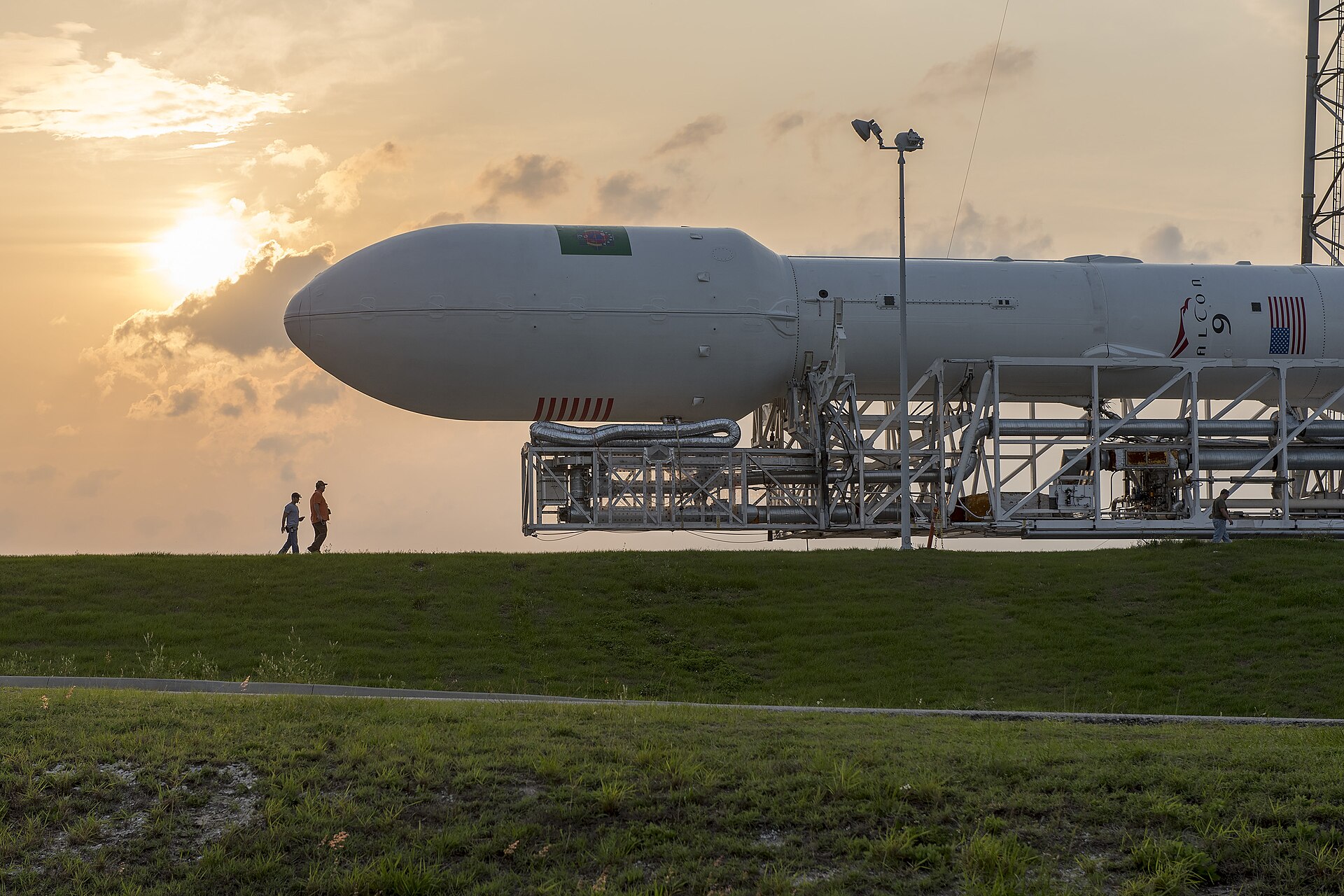
Falcon 9 rocket on the pad as SpaceX Q3 2026 earnings are released

FAQ: SpaceX Q3 2026 earnings

How much revenue did SpaceX report for Q3 2026?
SpaceX reported $14.6 billion in revenue, up 161% year over year.

What drove SpaceX’s revenue growth this quarter?
Starlink connectivity revenue grew 69%, and SpaceX’s AI business added $6.7 billion in incremental revenue, the two biggest contributors.

When did SpaceX go public?
SpaceX closed its IPO on 15 June 2026 and began trading on Nasdaq under the ticker SPCX.

What is SpaceX’s “Super Intelligence” business?
It is SpaceX’s AI unit, which includes cloud services agreements, the Cursor coding tool acquisition, and products like Grok and Bot.

Did Starship generate revenue this quarter?
Yes. SpaceX says its first revenue-generating Starship mission delivered 26 Starlink V3 satellites during Q3 2026.

How much cash does SpaceX have on hand?
SpaceX held $100 billion in cash and marketable securities as of its prior quarterly report.

Is SpaceX’s AI business bigger than its rocket business yet?
Not based on the figures reported here. Starlink remains the larger established segment, though the AI unit’s incremental growth this quarter was substantial on its own.

Does SpaceX compete directly with Microsoft or Google in AI?
In cloud and AI services, yes, to a degree. SpaceX is a newer entrant chasing some of the same enterprise customers as larger, more established cloud providers.


Britain and Brussels Just Set a Date — And Migration Is on the Table

Britain and the European Union have locked in a date for their next major summit. The UK EU summit migration agenda is already taking shape before the two sides even sit down. The summit is set for 20 November 2026 in Brussels. Migration sits alongside trade as a top priority for the UK side.

UK officials confirmed the date after reports raised Russian meddling concerns around the original Brexit referendum. That added urgency to closer coordination with Brussels. Manchester mayor Andy Burnham is a prominent voice pushing for closer UK-EU ties. He has said he intends to prioritize trade and migration at the summit, according to EUobserver’s reporting on his remarks. The UK prime minister has separately said the “status quo” with the EU is “not good enough.” That signals London wants more than symbolic cooperation out of the meeting. AJ Bell’s report on the summit date carried that same line directly from the prime minister.

What the UK EU summit migration talks could actually produce

Migration cooperation between the UK and EU since Brexit has mostly meant information-sharing and limited returns agreements. It has not meant a shared asylum system. A summit focused partly on migration could still produce something real. New commitments on returning failed asylum seekers are one possibility. Cooperation on cross-Channel smuggling networks is another. Data-sharing on criminal records could also feature. A full return to EU-wide freedom of movement is unlikely. Neither side has signaled any appetite for reopening that debate.

Trade sits alongside migration on the announced agenda. Burnham has argued that closer alignment on both fronts strengthens Britain’s hand against outside interference. That framing ties migration cooperation to broader security concerns, rather than treating it as a separate issue. It also gives the UK government cover to deepen EU ties without reopening the free-movement debate that dominated the original Brexit campaign. That debate still carries real political weight on both sides of the English Channel, which is why officials keep steering the conversation toward narrower, practical fixes instead.

Why this summit matters more than past post-Brexit meetings

Several UK-EU meetings since Brexit produced modest, technical agreements rather than major shifts. This one carries different weight. It follows direct accusations of foreign interference in the original Brexit vote. That claim has reopened UK domestic debate about the EU relationship generally. A summit billed around rebuilding trust sets a higher bar than one focused only on leftover trade disputes. Success on 20 November will mean more than a polite joint photo.

The timing also overlaps with wider European political turbulence. Tamara News has covered cost-of-living protests in France and the EU’s new power to fine AI companies this same month. Both are signs of an EU juggling multiple pressures at once, heading into a summit that is already drawing outsized attention.

What happens between now and the summit

Expect preparatory talks between UK and EU officials in the weeks leading up to 20 November. Those talks will shape the detailed text both sides actually negotiate over. Migration and trade are described as priorities, not confirmed outcomes. The specific commitments on the table could still shift considerably before the summit itself. A joint statement or communique is the most likely public output on the day. Any binding agreements will probably follow in separate technical talks afterward, rather than being signed on the spot.

Both sides have strong incentives to show some concrete result. The political attention this summit has already drawn makes a purely symbolic outcome a harder sell than usual. Officials on both sides know a vague outcome would draw immediate criticism at home.

Downing Street in London before the UK EU summit migration agenda

FAQ: UK EU summit migration

When is the UK-EU summit?
The summit is scheduled for 20 November 2026 in Brussels.

Is migration the only topic on the agenda?
No. Trade sits alongside migration as a top priority, according to officials quoted in coverage of the summit’s planning.

Will the summit bring back free movement between the UK and EU?
There is no indication of that. Discussions appear focused on narrower cooperation, such as returns agreements and information-sharing, not a return to pre-Brexit freedom of movement.

Why did Russian interference claims come up around this summit?
A UK figure pushing for closer EU ties cited concerns about Russian meddling in the original Brexit referendum as part of the case for deeper cooperation now.

Who is pushing hardest for migration cooperation?
Manchester mayor Andy Burnham has publicly prioritized trade and migration ahead of the summit, according to reporting on his comments.

Will any agreements be signed on the day of the summit?
That is unclear. A joint statement is the most likely immediate output, with detailed agreements more likely to follow in later technical negotiations.

Does this summit affect UK visa rules for EU citizens?
Nothing announced so far points to new visa rules for EU citizens visiting the UK. The agenda as described focuses on cooperation measures rather than visa policy changes.

How does this summit connect to wider EU politics this month?
It lands during a period of broader EU strain, including cost-of-living protests in France and new enforcement powers under the EU’s AI Act. Brussels is managing several pressures at once heading into November.

Europe’s New Travel Permit Was Supposed to Start by Now — Here’s Why It Hasn’t

Travelers hoping to understand Europe’s new entry rules got a clearer, if frustrating, answer this year. The ETIAS launch delay 2027 is now the European Union’s own expectation. It is not just rumor anymore. The European Travel Information and Authorisation System is a pre-travel screening step for visa-free visitors. The EU pushed it back indefinitely in August 2026.

Euronews covered the delay in detail. The EU had previously targeted a 2027 start. That date is now uncertain too. On its own website, the EU states plainly: “ETIAS is currently not in operation and no applications for travel authorizations are collected at this point.” The EU has promised to announce a firm start date several months before the system actually goes live.

Why the ETIAS launch delay 2027 happened

The delay traces back to a separate system called the Entry/Exit System, or EES. EES ran into technical trouble. EES began registering non-EU travelers at Schengen borders in April 2026. It collects facial images and fingerprints on first entry. The rollout did not go smoothly everywhere. Some airports, including locations in Milan, fingerprinted travelers again even after they had already registered once. Long queues and missed flights followed during the busy summer travel season. Officials want EES running reliably first. ETIAS depends on the same border infrastructure, so adding it on top of a shaky system risked compounding the problem.

ETIAS officials planned to present a revised timeline in the weeks after the August announcement. Some early rumors suggested a late-2026 launch was still possible. Most reporting treats a 2027 start as more realistic. Even that date carries real uncertainty. This system has slipped several times already.

What travelers need to do right now

Nothing, for the moment. ETIAS stays optional until the system actually launches, and no one can submit an application yet. Travelers from visa-exempt countries can keep visiting the Schengen area under the current rules. That includes the United States, United Kingdom, Canada and Australia. The EU has specifically warned travelers not to pay anyone who claims to offer ETIAS applications ahead of the real launch. Early scam sites have already tried to charge for a service that does not yet exist.

When ETIAS does launch, the plan calls for a cost of €20 per application. The EU expects to exempt children under 18 and adults over 70 from that fee. It also expects some family members of EU citizens to qualify for an exemption. The EU expects an approved authorization to last three years, or until the holder’s passport expires. It would cover stays of up to 90 days in any 180-day period.

How this fits into Europe’s bigger border overhaul

EES and ETIAS are two halves of the same plan. One tracks entries and exits digitally. The other screens visa-free travelers before they arrive, rather than only at the border. The EES side is already live, even with rough patches at some airports. The ETIAS side keeps slipping. That mismatch leaves travelers with biometric registration duties now. They still lack the pre-travel screening step the EU originally wanted to pair with it. The European Commission’s own ETIAS page still describes the system as “not in operation,” confirming the delay is not just press speculation. Readers tracking shifting entry rules elsewhere can also see how Thailand recently cut its visa exemption period and how India adjusted its own e-visa rules this same month. Neither of those changes took anywhere near the years of delay Europe has faced with ETIAS.

What comes before ETIAS finally launches

Expect three things before a real start date arrives. First, EES needs a stretch of smooth operation at major airports, not just improvement at a few locations. Second, the EU must formally lock in the €20 fee. That fee was still in a review period as of the most recent reporting. Third, the EU has committed to a public announcement several months ahead of launch. That should give airlines and travelers real lead time once it finally comes. None of those three steps has a confirmed date yet. Travelers should treat any site offering ETIAS applications today as premature at best.

Schengen area border sign relevant to the ETIAS launch delay 2027

FAQ: ETIAS launch delay 2027

Do I need ETIAS to visit Europe right now?
No. ETIAS is not in operation, and nobody can submit an application as of this writing.

When will ETIAS actually launch?
The EU has not set a firm date. Most reporting treats 2027 as more likely than 2026, though the EU has delayed this system multiple times already.

How much will ETIAS cost when it launches?
The planned fee is €20, with expected exemptions for children under 18, adults over 70, and some family members of EU citizens.

Is the ETIAS launch delay 2027 related to EES?
Yes. Officials cited technical trouble with the Entry/Exit System, which already requires biometric registration at Schengen borders, as a key reason for holding back ETIAS.

Which travelers will need ETIAS?
Visa-exempt visitors to the Schengen area, plus Iceland, Norway, Liechtenstein and Switzerland, including travelers from the US, UK, Canada and Australia.

Should I pay a website for help applying for ETIAS now?
No. The EU has warned against paying anyone for ETIAS applications before the official system is live, since the real application process has not opened yet.

Does the ETIAS launch delay 2027 affect EES registration at the border?
No. EES registration continues separately at Schengen borders regardless of when ETIAS launches. The two systems are related but run on different timelines.

Apple’s New MacBook Pro Just Made Its Fastest Chip Even Faster

Apple unveiled a refreshed 14-inch MacBook Pro on 27 October 2026. The new MacBook Pro M6 chip is the headline change. Apple says it brings real gains in graphics and AI performance. This is not just a modest bump over last year’s model.

The M6 chip carries a 12-core CPU and a 12-core GPU. Apple claims up to 30% faster graphics than the M5 chip. It also claims up to 25% faster AI workloads. Overall performance rises by up to 1.3x, according to Apple’s own figures. For context, Apple says the new chip handles large language model prompt processing up to 13 times faster than the original M1 MacBook Pro. That is a striking jump across five generations of Apple silicon. TechCrunch covered the full announcement on launch day.

What the MacBook Pro M6 chip actually changes for buyers

Memory starts at 16GB of unified memory. Buyers can configure it up to 32GB. Memory bandwidth rises to 170GB/s, up from 153GB/s on the M5. Apple says the new model gets 24 hours of battery life. It also supports fast charging. The laptop can reach 50% charge in 30 minutes with a compatible high-wattage USB-C adapter. Connectivity moves to Wi-Fi 7 and Bluetooth 6, both newer standards than the prior model offered. The laptop keeps a familiar port layout. That means HDMI, MagSafe 3, three Thunderbolt 4 ports, an SD card slot and a headphone jack. Apple also kept the 12-megapixel camera from the prior generation.

Pricing starts at $1,999 for the base configuration. The laptop comes in space black and silver. Preorders opened on 28 October. First units start shipping on 6 November. Apple also announced a refreshed 24-inch iMac powered by the same M6 chip on the same day. That extends the upgrade beyond just the Pro laptop line, into Apple’s desktop range as well.

Why Apple is pushing AI performance this hard

Apple’s marketing leaned heavily on AI performance claims rather than raw clock speed. That reflects where the laptop market has moved. Rivals are racing to put AI model processing directly on-device. The goal is to avoid routing every request to the cloud. Running large models locally needs more memory bandwidth and faster matrix math. That is exactly where Apple says the M6 improves most. The 13x prompt-processing comparison to the original M1 chip targets a specific buyer. It speaks to anyone running AI coding tools or local chat assistants, a use case that barely existed when the M1 launched in 2020.

The launch also lands in a crowded week for hardware news. Tamara News reported on Amazon’s new Alexa tablet lineup and on a major chip supply deal between Nvidia, Samsung and TSMC just one day earlier. Chip announcements are arriving in quick succession this month. Every major hardware maker is leaning into AI-capable silicon at the same time, which makes October 2026 an unusually busy month for chip news.

The independent benchmarks still to come

Independent benchmarks will start appearing once reviewers receive units. That window opens ahead of the 6 November ship date. Apple’s own performance figures come from internal testing under specific conditions. Third-party testing usually narrows or confirms those claims within days of release. Buyers deciding between the M5 and M6 models will likely wait for those independent numbers first. That is especially true since the M5 MacBook Pro remains on sale at a lower price for now, giving budget-conscious buyers a real alternative.

Apple has not said whether a 16-inch M6 MacBook Pro is coming on the same timeline. Past launches suggest a larger model, if one arrives, would follow within weeks rather than months. Apple rarely leaves a large gap between screen sizes once a new chip generation begins shipping. MacRumors had tracked M6 MacBook Pro rumors for months before the official unveiling, and a 16-inch model, when it lands, typically carries the same chip with extra battery and display real estate rather than a separate silicon design.

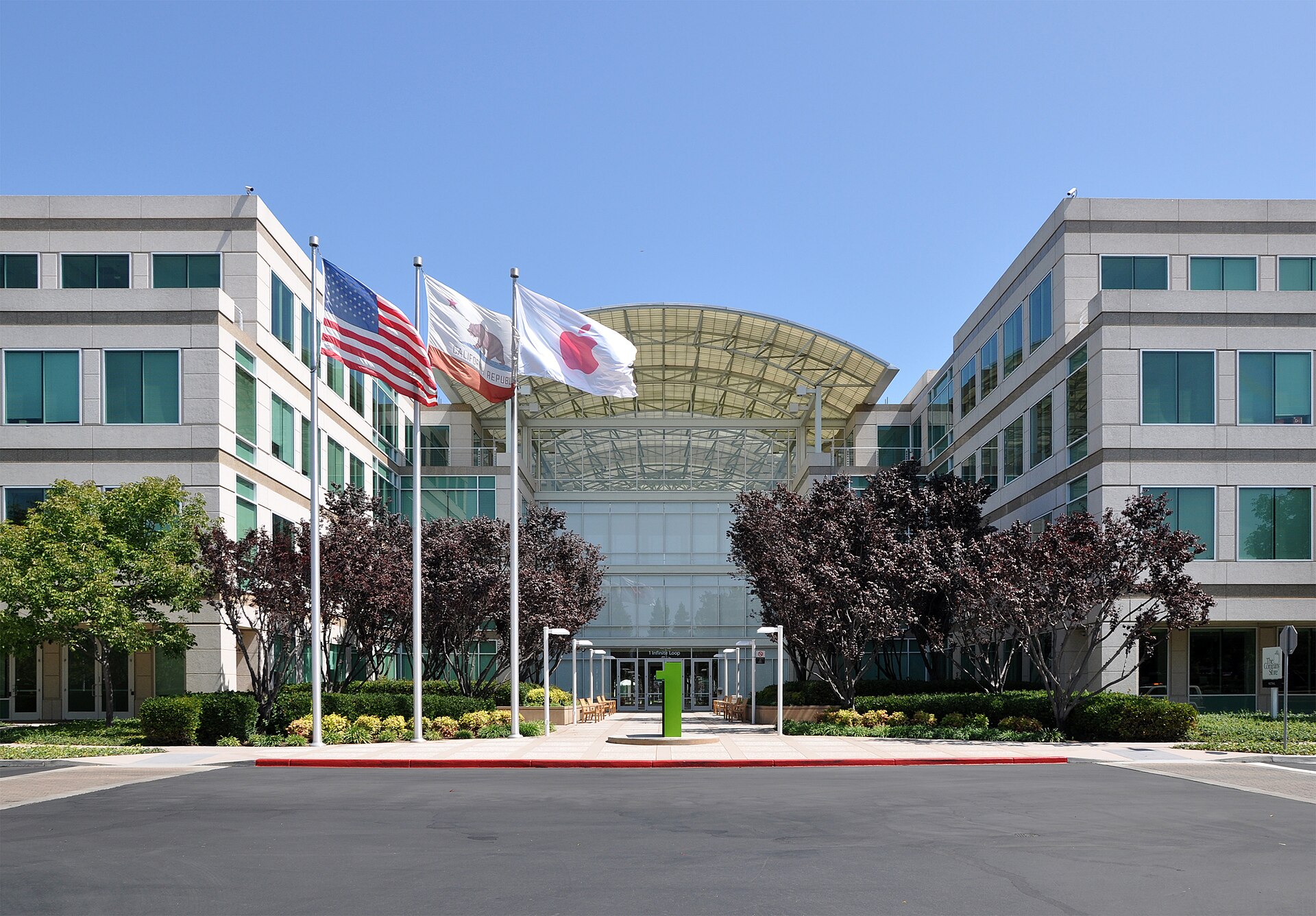
Apple Cupertino headquarters, home of the MacBook Pro M6 chip team

FAQ: MacBook Pro M6 chip

How much faster is the MacBook Pro M6 chip than the M5?
Apple claims up to 30% faster graphics, up to 25% faster AI workloads, and up to 1.3x faster overall performance compared with the M5 chip.

What does the new MacBook Pro cost?
Pricing starts at $1,999 for the base 14-inch configuration.

When does the new MacBook Pro ship?
Preorders opened 28 October 2026, with units shipping starting 6 November 2026.

Did Apple update any other products with the M6 chip?
Yes. Apple also announced a 24-inch iMac powered by the M6 chip on the same day.

How much memory does the MacBook Pro M6 support?
It starts at 16GB of unified memory and can be configured up to 32GB.

Does the MacBook Pro M6 chip support Wi-Fi 7?
Yes. The new model adds Wi-Fi 7 and Bluetooth 6 support, up from the previous generation’s connectivity standards.

Is the MacBook Pro M6 chip worth upgrading from an M5 model?
Apple’s own figures suggest a modest generational gain rather than a dramatic one. Buyers on an M4 or older chip are likely to notice a bigger difference than those already on an M5 machine, since the jump from M4 to M6 compounds two generations of gains at once.

Will there be a 16-inch MacBook Pro with the M6 chip?
Apple has not confirmed a 16-inch version yet. Past product cycles suggest one could follow within weeks if it arrives at all this generation.

Microsoft Just Offered a Quarter of Its Workforce a Way Out

Microsoft sent a short note to employees this week. It could reshape a quarter of its workforce. The Microsoft voluntary buyout offer went out to roughly 60,000 workers on Monday. That is out of a global headcount of about 223,000 as of June. It is the company’s largest effort yet to cut costs without mass layoffs.

Chief people officer Amy Coleman described the offer in a note. Microsoft also published it on its company blog. She called it a way of “creating greater flexibility and, where possible, more ways for employees to shape their next chapter.” She added a blunt line: “The Voluntary Exit Offer is new for us.” TechCrunch confirmed the details with Microsoft on Monday, after Business Insider first reported the plan.

Who the Microsoft voluntary buyout offer actually covers

The offer targets employees at the vice president level and below. It covers select teams in the United States, Canada, India and the United Kingdom. Bloomberg reported that Xbox, Windows, Copilot and Finance are among the participating teams. Microsoft excluded some groups entirely. That includes staff in data centers and in sales and marketing roles. Eligible workers received an email on Monday with a link to their personal offer details. The terms track Microsoft’s standard severance package. They do not introduce a new formula.

This is not Microsoft’s first buyout round this year. Earlier in 2026, the company offered buyouts to retirement-age employees. More than 30% of the roughly 8,750 eligible workers took that deal. The new offer is far larger in scale. It also reaches deep into teams still central to Microsoft’s product roadmap, not just staff nearing retirement.

Why Microsoft is doing this instead of layoffs

A voluntary exit lets Microsoft trim headcount differently. It can skip some of the legal process, public backlash and severance disputes that often follow mass layoffs. Employees choose to leave rather than get selected for a cut. That spreads the decision across the workforce itself, not just Microsoft’s management. Microsoft has framed the move as part of a broader effort to “rework its workforce.” The company is pouring money into AI infrastructure and cloud capacity at the same time. Heavy capital spending on data centers and chips leaves less room in the budget. Headcount growth gets squeezed across every team at once, even at a company still growing revenue.

The timing lines up with a wider pattern across the sector. Tamara News covered the trillion-dollar earnings reports landing this same week from Microsoft’s peers. Investors are pressing every major tech company on how AI spending affects margins. A workforce reduction ahead of that scrutiny is unlikely to be a coincidence.

The visa angle few buyout stories mention

A voluntary exit offer does not sit in a vacuum for Microsoft’s foreign-born workforce. The company already lost part of its green card pipeline this year. The Department of Labor suspended PERM certifications affecting several large employers, a move Tamara News reported on in late October. Newsweek has also flagged H-1B visa uncertainty tied to the buyout. Workers on employer-sponsored visas generally get a limited window to find new sponsorship if they leave a role voluntarily. CNBC’s own reporting on the offer, which covered the announcement the same day, noted Microsoft has not detailed separate terms for visa-holding staff who accept it. The standard severance terms may not address that risk at all.

What happens once workers decide

Employees who receive the offer typically get a set window to accept or decline. That window often runs several weeks before the offer expires. Microsoft has not published an exact deadline publicly. What happens next depends heavily on uptake. If acceptance tracks closer to the 30% rate seen in the earlier retirement-age buyout, Microsoft keeps most of the 60,000 eligible staff. That would mean only a modest headcount reduction. If far more workers take the deal, Microsoft could face a bigger staffing gap than planned. That risk is highest on teams like Xbox and Windows, just as the company leans harder on AI products like Copilot.

Microsoft’s next earnings call will be the first real test of whether this buyout round shows up in the numbers investors are watching. Wall Street will want a headcount figure, not just a policy description. Expect analysts to ask about it directly on the call.

Office building illustrating the scale of the Microsoft voluntary buyout offer

FAQ: Microsoft voluntary buyout offer

How many Microsoft employees are eligible for the buyout?
Around 60,000 employees at the vice president level and below, on selected teams in the US, Canada, India and the UK, are eligible.

Is this the same as a layoff?
No. Employees choose whether to accept the offer. Microsoft is not selecting individuals for termination through this program.

Which teams are excluded?
Microsoft excluded staff in data centers and in sales and marketing roles from this round, based on reporting cited above.

Why is Microsoft offering buyouts now?
Microsoft has described it as part of a wider effort to cut costs and reshape its workforce as AI infrastructure spending grows.

Does this affect H-1B visa holders differently?
Visa-sponsored employees who leave voluntarily generally have a limited window to secure new sponsorship, which creates added risk the standard severance terms may not cover.

Has Microsoft done this before?
Yes. Microsoft offered a smaller buyout to retirement-age employees earlier in 2026, with just over 30% of eligible staff accepting.

Will Microsoft still hire while offering buyouts?
Microsoft has not said it is freezing hiring company-wide. Large employers often keep hiring in priority areas, such as AI infrastructure, even while trimming headcount elsewhere.